Introduction to Proximity Sensing Fundamentals
Proximity sensors are pivotal components in modern industrial automation, designed to detect the presence or absence of an object within a specified range without physical contact. Operating on various principles such as electromagnetic, capacitive, ultrasonic, and optical, these sensors convert information about object presence into electrical signals. The core advantage lies in their non-contact operation, which eliminates mechanical wear, ensures high reliability, and enables detection of delicate or fast-moving objects. This foundational technology forms the backbone of countless automation processes, from simple object counting on conveyor belts to complex robotic positioning and safety interlocking systems. Understanding these basic operational principles is essential for selecting the appropriate sensor type for specific environmental and application requirements.
Key Technologies and Operational Principles
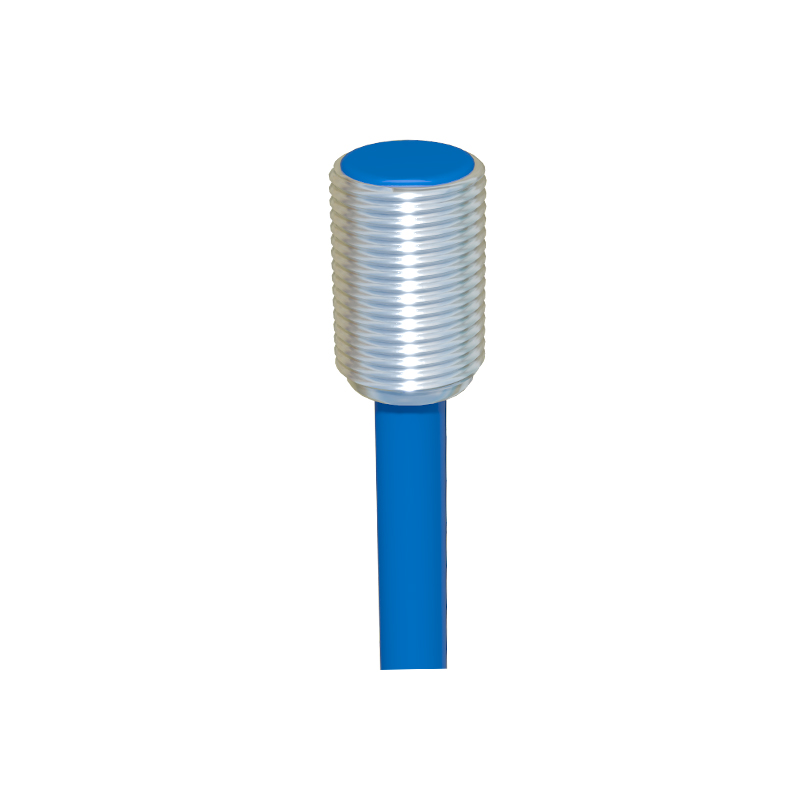
The performance of a proximity sensor is dictated by its underlying technology. Inductive sensors generate an electromagnetic field to detect metallic objects, offering high precision and resilience in harsh industrial environments. Capacitive sensors detect both metallic and non-metallic materials by measuring changes in capacitance, making them suitable for level detection of liquids or granular materials. Ultrasonic sensors use sound waves to measure distance to an object, excelling in applications requiring longer ranges or detection of varied surface types. Optical sensors, including through-beam and diffuse-reflective types, utilize light beams for detection, providing high speed and accuracy for small object sensing. Each technology presents unique trade-offs in terms of sensing range, response time, environmental immunity, and target material compatibility, necessitating careful engineering consideration.
Current Research and Development Focus Areas

Research in proximity sensor technology is intensely focused on enhancing performance, intelligence, and integration capabilities. A primary R&D trend involves miniaturization while maintaining or increasing sensing ranges and robustness. Engineers are developing sensors with smaller form factors for space-constrained applications in electronics assembly and micro-robotics. Another significant area is the improvement of noise immunity and environmental robustness, allowing sensors to operate reliably in extreme conditions involving high temperatures, pressure, vibrations, and electromagnetic interference. Furthermore, research is advancing the development of multi-functional sensors that can simultaneously detect presence, measure distance, and even identify material types, adding a new dimension of data for smart factory systems.
Integration with Industry 4.0 and IoT Systems
The evolution of Industry 4.0 and the Industrial Internet of Things (IIoT) is dramatically reshaping proximity sensor applications. Modern sensors are increasingly equipped with digital interfaces (IO-Link, Ethernet/IP, PROFINET) and embedded intelligence. This allows for bidirectional communication, enabling remote configuration, real-time diagnostics, and predictive maintenance. Sensor data can be seamlessly integrated into higher-level control systems and cloud platforms, facilitating data analytics for process optimization. Smart sensors can self-monitor their health, report degradation in performance, and even compensate for environmental drift, significantly reducing unplanned downtime and improving overall equipment effectiveness (OEE).
Application-Specific Challenges and Solutions
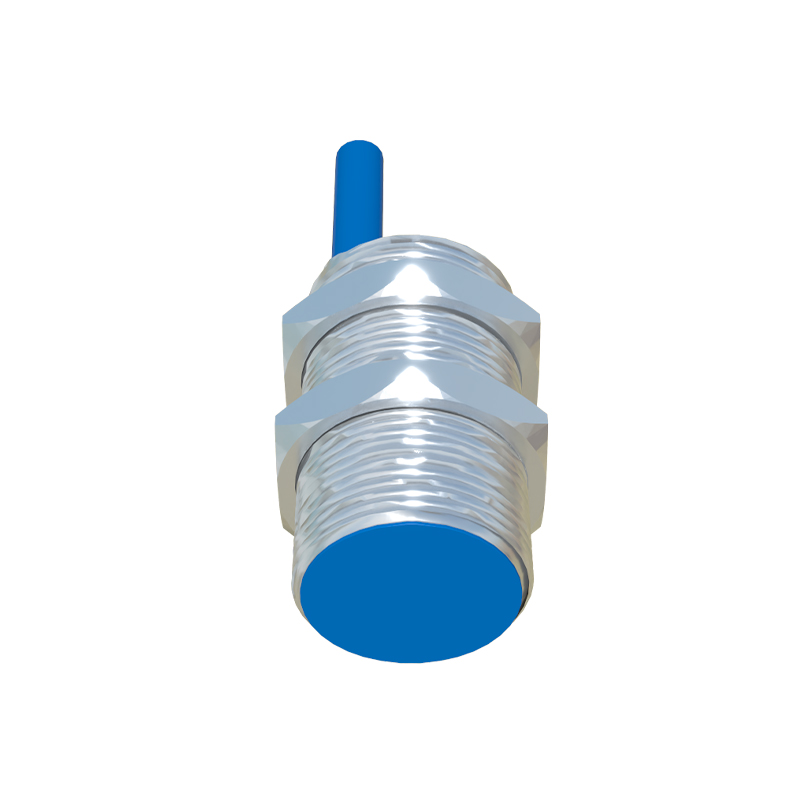
Deploying proximity sensors in real-world industrial settings presents distinct challenges that drive specialized research. In welding environments, sensors require exceptional immunity to spatter and intense electromagnetic noise. Solutions involve specialized coatings, robust housing designs, and advanced filtering algorithms. For food and pharmaceutical industries, sensors must comply with strict hygiene standards (e.g., FDA, EHEDG), leading to the development of sensors with smooth, crevice-free housings made from approved materials that withstand frequent washdowns. In high-speed packaging, the challenge is ultra-fast response times and precise detection of transparent or glossy films, addressed by high-frequency optical sensors and specialized light polarisation techniques.
Future Outlook and Emerging Trends
The future of proximity sensor technology is converging with advancements in materials science, artificial intelligence, and wireless communication. Emerging trends include the development of flexible and printed sensors for novel applications on curved surfaces. Energy-harvesting sensors that operate without wired power are also under exploration for mobile and remote monitoring. AI and machine learning algorithms are beginning to be applied at the sensor edge to enable advanced condition monitoring and anomaly detection beyond simple presence sensing. Furthermore, the integration of sensing, communication, and power into single, highly integrated micro-systems will continue to push the boundaries of what is possible in industrial automation, enabling more responsive, efficient, and autonomous manufacturing ecosystems.