Understanding Inductive Proximity Sensors
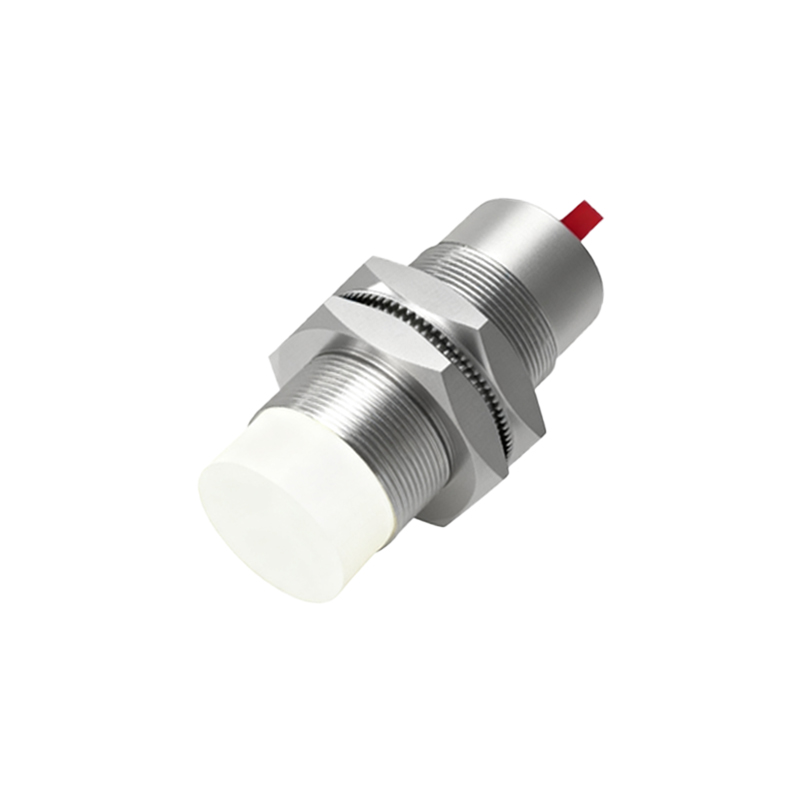
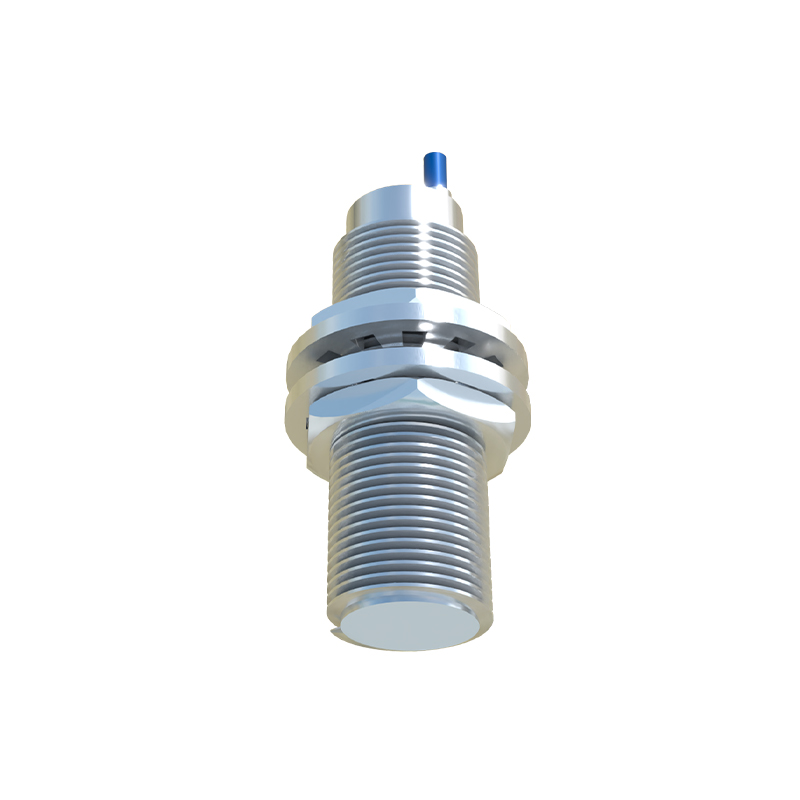
Inductive proximity sensors are non-contact electronic devices designed to detect metallic objects within their sensing range. Operating on the principle of electromagnetic induction, these sensors generate an oscillating electromagnetic field from a coil wound around a ferrite core. When a metallic target enters this field, eddy currents are induced on the target's surface, causing a change in the oscillation amplitude. This alteration is detected by the sensor's circuitry, triggering an output signal. Key advantages include high switching frequency, robustness in harsh environments, and immunity to surface conditions like dust or moisture. Common types include shielded (flush-mountable) and unshielded versions, with sensing distances typically ranging from a few millimeters to about 60 millimeters, depending on the target material and sensor size.
Core Industrial Applications
In manufacturing and automation, inductive proximity sensors are indispensable for position detection, object counting, and speed monitoring. On conveyor systems, they verify the presence of metal components, such as engine blocks or machined parts, ensuring proper sequencing in assembly lines. In robotic arms, these sensors provide precise end-of-stroke detection for grippers or actuators, enhancing repeatability and safety. Metalworking industries utilize them to monitor tool wear by detecting the position of cutting tools or verifying part placement in CNC machines. Additionally, they serve as limit switches in automated doors and elevators, offering reliable feedback without physical contact, thereby reducing mechanical wear.
Selection Criteria for Optimal Performance
Choosing the right inductive proximity sensor requires careful consideration of several factors. First, the target material—ferrous metals like steel yield the longest sensing distances, while non-ferrous metals such as aluminum or copper may reduce range by up to 50%. Environmental conditions are critical; sensors rated IP67 or higher resist water, oil, and chemical exposure. Temperature tolerance must align with operational ranges, often from -25°C to 70°C for standard models. Output type (e.g., NPN, PNP, or analog) should match the control system, while housing materials like stainless steel or nickel-plated brass ensure durability in corrosive settings. Finally, mounting constraints and electrical noise immunity must be evaluated to prevent false triggers in high-interference areas.
Installation and Maintenance Best Practices
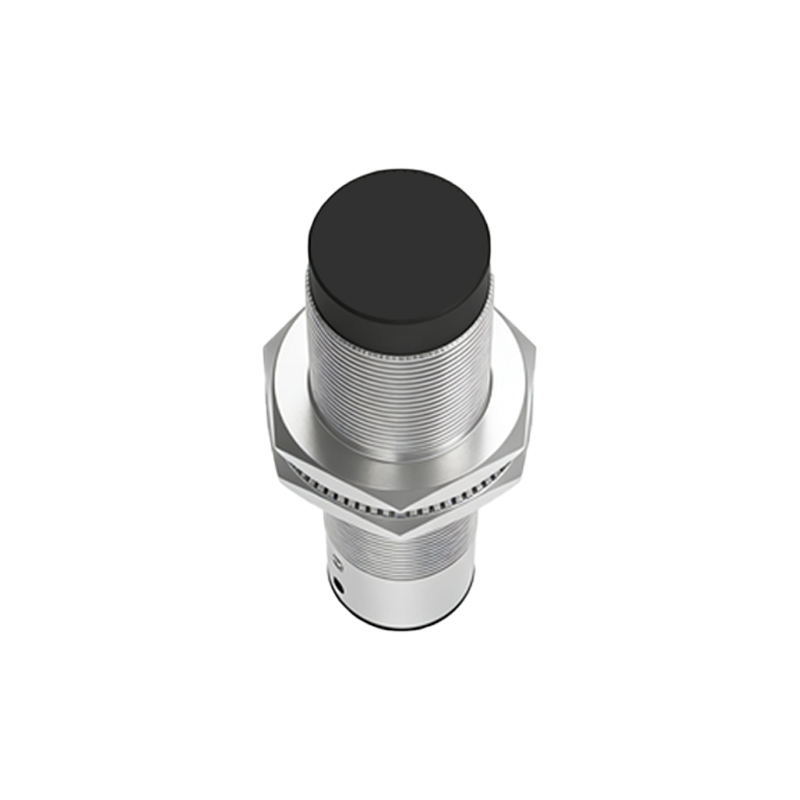
Proper installation maximizes sensor lifespan and accuracy. Mount sensors securely to minimize vibration effects, ensuring the target approaches perpendicularly within the specified sensing axis. Maintain adequate clearance from adjacent metal surfaces to avoid interference, typically 1-2 times the sensor diameter for unshielded models. Wiring should follow manufacturer guidelines, with shielded cables used in electrically noisy environments to prevent signal distortion. Regular maintenance involves periodic cleaning of the sensing face to remove debris, checking for physical damage, and verifying output signals with diagnostic tools. Calibration may be needed over time due to component aging, especially in high-cycle applications exceeding millions of operations.
Innovations and Future Trends
Advancements in inductive proximity sensor technology focus on miniaturization, enhanced intelligence, and connectivity. Micro-sensors with diameters under 4 mm enable integration into compact devices like medical equipment or micro-assembly systems. Smart sensors with IO-Link communication provide real-time diagnostics, such as temperature monitoring or contamination alerts, facilitating predictive maintenance. Energy-efficient designs reduce power consumption in battery-operated applications, while hybrid sensors combine inductive sensing with other technologies (e.g., capacitive) for multi-material detection. As Industry 4.0 evolves, these sensors will increasingly interface with IoT platforms, enabling data-driven optimization of production lines and supply chains.