Non-Contact Sensing Principle
Photoelectric proximity sensors operate on a fundamental principle of non-contact detection. Unlike mechanical limit switches or inductive sensors that require physical interaction or proximity to metallic objects, photoelectric sensors utilize light beams. They consist of a light emitter, typically an LED (Light Emitting Diode) for visible red, infrared, or laser light, and a photoelectric receiver. The sensor detects the presence, absence, or distance of an object by analyzing the properties of the light beam—either through its reflection, beam break, or retro-reflection. This non-contact nature eliminates mechanical wear and tear, significantly extending the sensor's operational lifespan and ensuring consistent, reliable performance over millions of cycles without degradation in sensing accuracy.
Long Sensing Ranges and Versatility
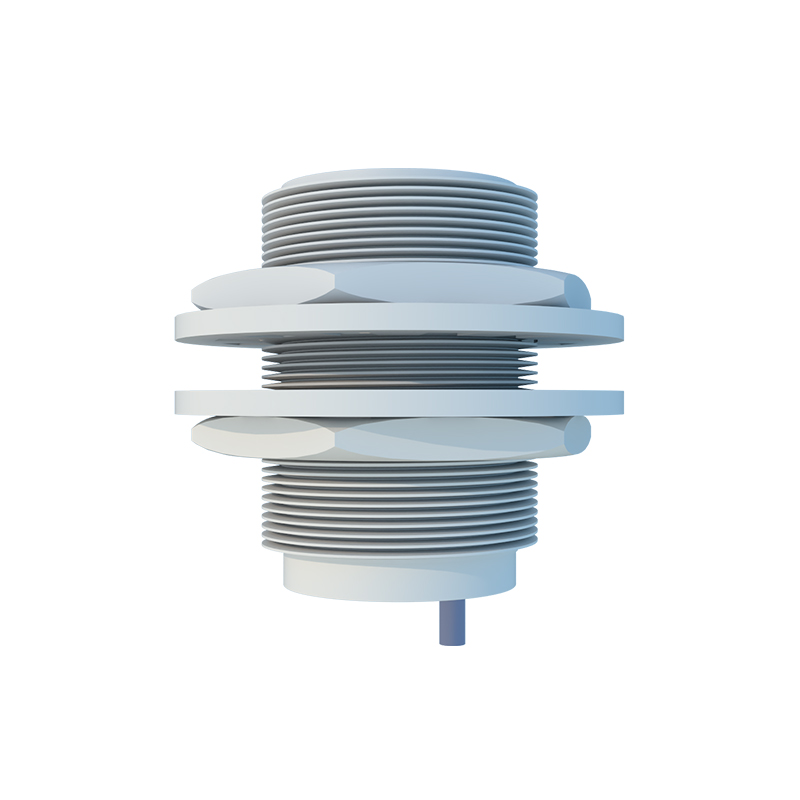
One of the most prominent features of photoelectric sensors is their ability to achieve remarkably long sensing distances compared to other proximity sensor types. While inductive or capacitive sensors are typically limited to ranges of a few millimeters to tens of millimeters, photoelectric sensors can reliably detect objects from a few centimeters up to several meters away. This makes them indispensable for applications requiring long-range detection, such as material handling, large conveyor systems, and warehouse automation. Furthermore, their versatility is unparalleled; they can detect virtually any material—metal, plastic, wood, glass, liquid, or even transparent films—regardless of color, surface texture, or conductivity, provided the object affects the light beam.
High Speed and Precision Response
The response time of photoelectric sensors is exceptionally fast, often measured in microseconds. This high-speed capability allows for detection in high-throughput production lines, packaging machinery, and sorting systems where objects move at rapid velocities. The precision of detection is also a key advantage. Advanced models, particularly laser-based sensors, offer extremely fine spot sizes and high resolution, enabling the detection of very small objects, precise edge detection, or accurate positioning. This combination of speed and precision supports critical quality control processes, ensures precise counting, and facilitates complex automated guidance tasks.
Multiple Operating Modes for Flexibility
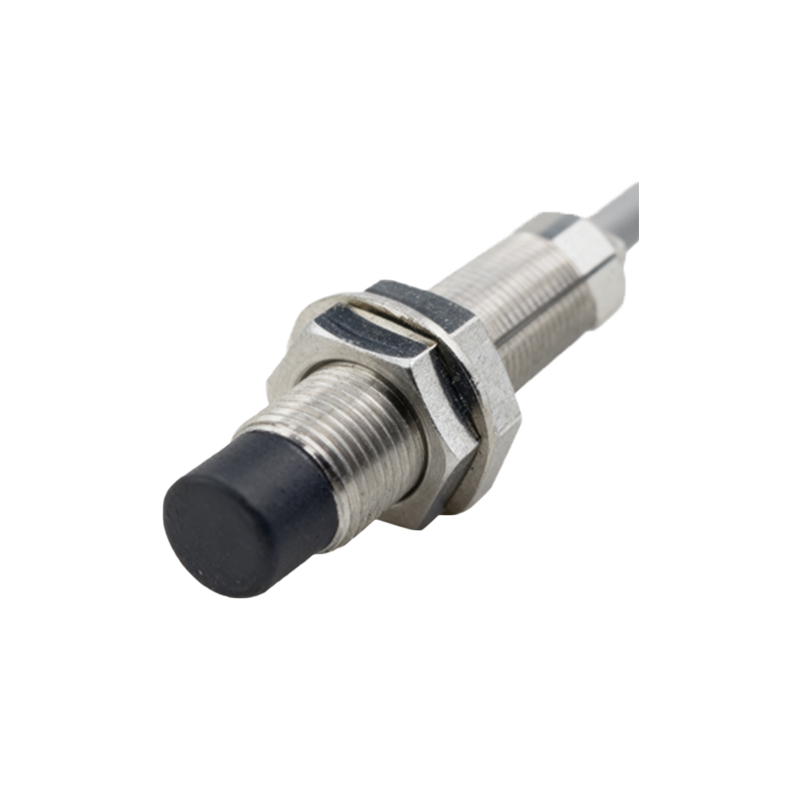
Photoelectric sensors are available in several distinct operating modes, each tailored for specific application challenges. The through-beam (or opposed) mode, with separate emitter and receiver units, offers the longest range and highest reliability, as it detects the interruption of a direct beam. The retro-reflective mode uses a single housing and a reflector, bouncing the beam back to the receiver, and is ideal for detecting objects that break the beam path. The diffuse (or proximity) reflective mode, where the sensor uses the reflection from the target object itself, provides a compact, one-unit solution for shorter ranges. This flexibility allows engineers to select the optimal configuration for space constraints, environmental conditions, and detection requirements.
Robustness and Environmental Durability
Modern industrial photoelectric sensors are engineered for harsh operating environments. They are commonly housed in rugged casings made of metal or high-grade plastics, with ingress protection (IP) ratings such as IP67 or IP69K, indicating resistance to dust, water jets, and high-pressure washdowns. Many models feature robust optical components with protective coatings to prevent fogging, scratching, or accumulation of contaminants. They are designed to withstand significant levels of vibration, shock, and wide temperature fluctuations. This inherent robustness ensures stable operation in demanding settings like food and beverage processing, automotive manufacturing, outdoor logistics, and heavy machinery.
Advanced Functionality and Easy Integration
Contemporary photoelectric sensors incorporate sophisticated electronics that provide advanced functionalities beyond simple on/off switching. Features include adjustable sensing ranges via potentiometers or teach-in buttons, background suppression for ignoring distant objects, precise analog output for distance measurement, and programmable logic functions. They offer various output options (NPN, PNP, analog, IO-Link) for seamless integration into PLC (Programmable Logic Controller) systems and industrial networks. The availability of compact form factors, including cylindrical and rectangular designs, along with flexible mounting options, simplifies mechanical integration into existing machinery and tight spaces.
Energy Efficiency and Maintenance Benefits
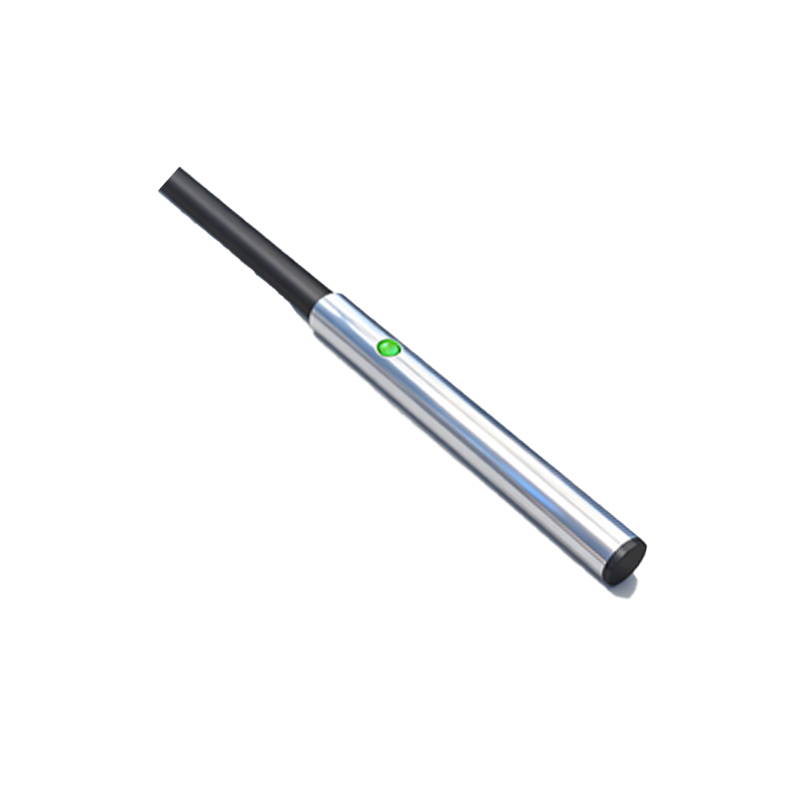
LED-based light sources in photoelectric sensors are highly energy-efficient, consuming minimal power while delivering long service life, often exceeding 100,000 hours. This contributes to lower overall system energy costs. From a maintenance perspective, the non-contact operation means there are no moving parts to lubricate or replace due to wear. Many sensors are equipped with diagnostic indicators, such as stability or function LEDs, which provide visual feedback on operational status and aid in quick troubleshooting, minimizing machine downtime. Their reliability and low maintenance requirements translate directly into reduced total cost of ownership and increased production uptime.