Introduction to Photoelectric Sensors in Harsh Environments
In the demanding world of industrial automation, reliability is non-negotiable. Standard photoelectric sensors, which use light beams to detect the presence, absence, or distance of objects, are fundamental to countless processes. However, many industrial settings present severe challenges, including exposure to water, coolants, lubricants, and various oils. In these harsh conditions, standard sensors can fail prematurely due to ingress, corrosion, or optical interference, leading to costly downtime and maintenance. This is where specialized waterproof and oil-resistant photoelectric sensors become indispensable. Engineered to withstand these aggressive elements, they ensure continuous, accurate operation, forming the backbone of robust and resilient automation systems in sectors from food and beverage to heavy machinery and automotive manufacturing.
Core Functions and Operational Principles
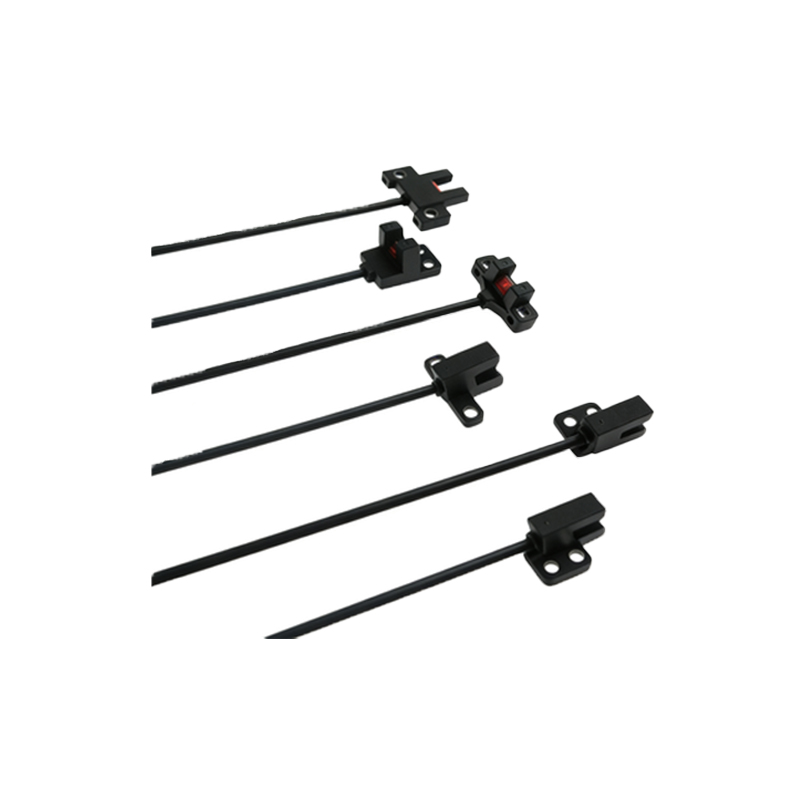
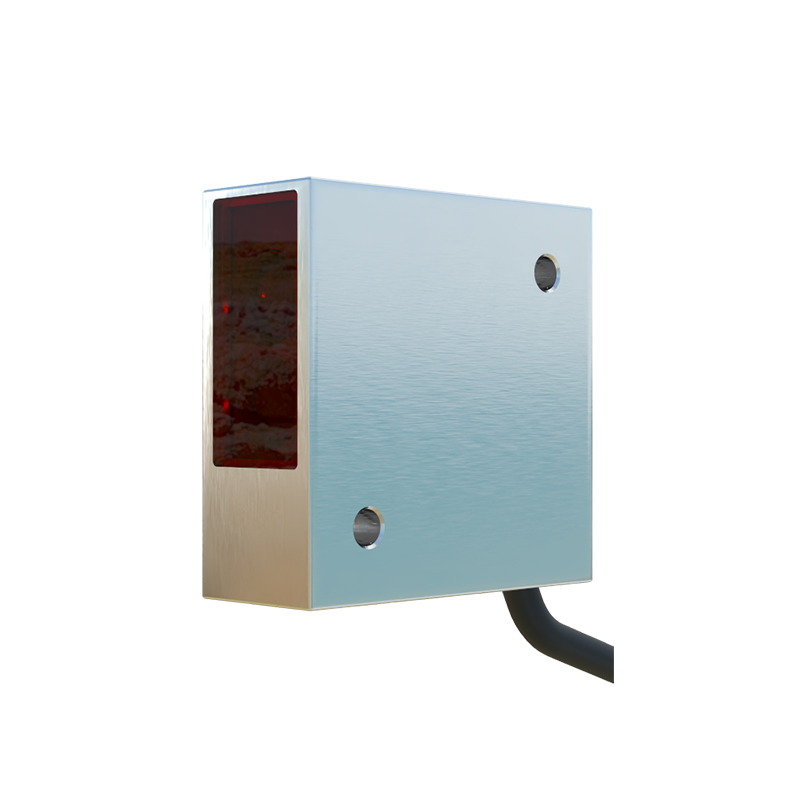
The primary function of a waterproof and oil-resistant photoelectric sensor remains identical to its standard counterpart: to detect objects or measure distances via a light source (typically LED) and a receiver. They operate on three main principles: through-beam, retro-reflective, and diffuse reflection. In through-beam systems, the emitter and receiver are separate units; an object is detected when it interrupts the beam. Retro-reflective sensors use a single housing with both emitter and receiver, relying on a reflector to bounce the light back. Diffuse sensors detect light reflected directly from the target object. The critical distinction lies in the robust construction. These sensors are sealed with specialized gaskets and housings (often from stainless steel or high-grade plastics) and feature lenses treated to repel oil and prevent liquid film formation, which could scatter or block the light beam, ensuring signal integrity.
Key Benefits for Industrial Applications
The advantages of deploying waterproof and oil-resistant photoelectric sensors are substantial and directly impact operational efficiency and total cost of ownership. First and foremost is enhanced durability and longevity. By preventing the ingress of liquids and resisting chemical attack from oils, these sensors drastically reduce failure rates. This translates to significantly lower maintenance costs and less unplanned downtime, a critical factor in high-volume production environments. Secondly, they maintain high sensing accuracy and stability. Oil mist or water splashes do not fog the lens or cause false triggers, ensuring process reliability. Furthermore, their robust design often includes higher resistance to physical impacts and vibrations, common in industrial settings. This reliability supports lean manufacturing principles by minimizing waste and ensuring consistent product quality.
Critical Industry Applications and Use Cases
The application scope for these rugged sensors is vast. In the food and beverage industry, they are essential for bottling and packaging lines where high-pressure washdowns with caustic cleaners are routine. Their sealed design prevents contamination and withstands the cleaning processes. In automotive manufacturing and metalworking plants, sensors are exposed to cutting fluids, lubricants, and coolants. Waterproof and oil-resistant models reliably detect parts on conveyors, control robotic arms, and monitor fluid levels without degradation. Similarly, in pulp and paper processing or chemical plants, they perform reliably in humid, wet, or oily atmospheres. They are also crucial in outdoor applications or in material handling equipment that operates in all weather conditions, where rain and moisture are constant threats.
Selection Criteria and Installation Best Practices
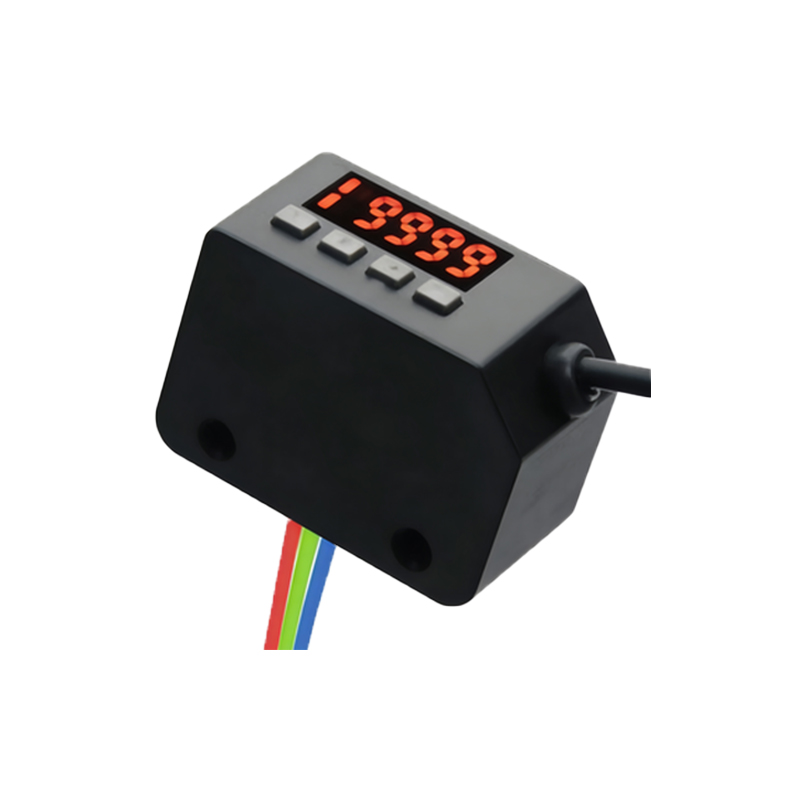
Selecting the appropriate sensor requires careful consideration of several factors beyond just the IP (Ingress Protection) rating, which denotes protection against solids and liquids. For waterproof and oil-resistant use, a rating of IP67 (temporary immersion) or IP69K (high-pressure, high-temperature washdown) is often necessary. The NEMA rating is also relevant in North America. The material of the housing and lens must be compatible with the specific oils and chemicals present. The sensing range, light source type (e.g., visible red, laser, infrared), and output configuration (PNP/NPN) must match the application needs. During installation, it is vital to ensure that cable glands or connectors are properly sealed according to the manufacturer's specifications. Regular maintenance, though minimal, should include wiping the lens with a clean, soft cloth to remove any grime that could accumulate, ensuring optimal performance over the sensor's extended lifespan.
Future Trends and Technological Advancements
The evolution of waterproof and oil-resistant photoelectric sensors continues alongside Industry 4.0. Future trends point toward increased integration of smart features and connectivity. Sensors with IO-Link capability are becoming more prevalent, allowing for detailed condition monitoring, parameter adjustment on-the-fly, and predictive maintenance data—such as warning about lens contamination before it causes a fault. Advances in laser diode and lens coating technologies will provide even longer sensing ranges and greater resistance to the most aggressive substances. Furthermore, miniaturization without compromising robustness is a key development area, enabling their use in increasingly compact machinery. As industrial environments become more connected and demanding, these sensors will evolve from simple detection devices into intelligent nodes within the larger data-driven ecosystem, further solidifying their critical role.