Introduction to Photoelectric Sensing Technology
Photoelectric sensors are a cornerstone of modern industrial automation, providing non-contact detection of objects based on the modulation of a light beam. The 0-50mm sensing range represents one of the most common and versatile categories, ideal for precise, short-distance applications. These sensors operate by emitting a beam of light—typically visible red, infrared, or laser—from a transmitter. A receiver then detects the presence or absence of this beam. An object within the 0-50mm range interrupts or reflects this light, triggering an electrical output signal. This fundamental principle enables reliable detection of a vast array of materials, including metals, plastics, glass, and liquids, regardless of surface color in many configurations. Their non-contact nature eliminates mechanical wear, ensuring long-term reliability and high-speed operation, which is critical in fast-paced production environments like packaging, assembly, and material handling.
Key Operating Principles and Modes
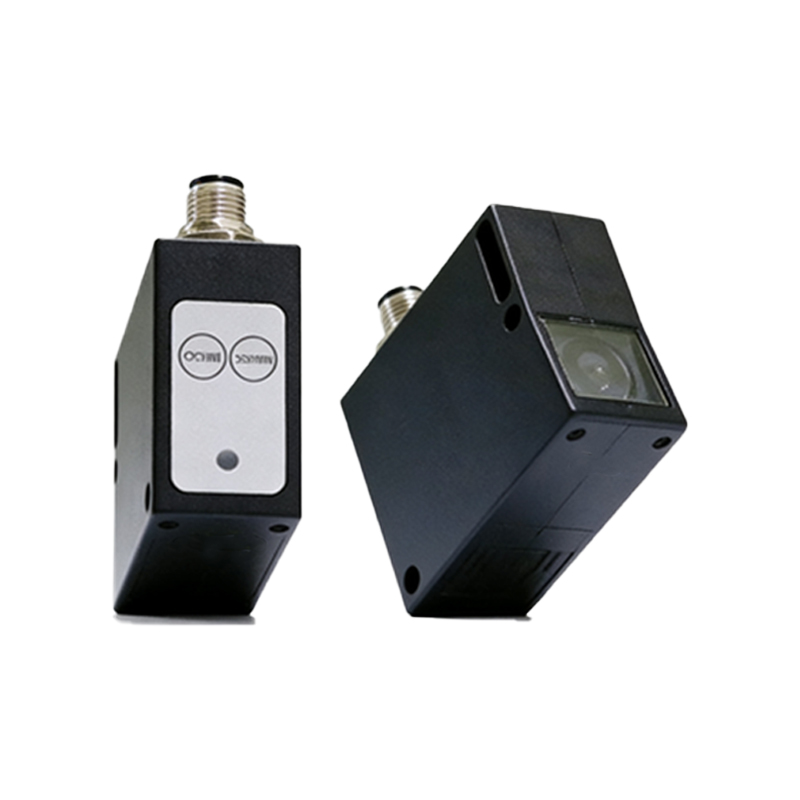
Within the 0-50mm range, photoelectric sensors primarily utilize three sensing modes, each suited for specific challenges. The through-beam (or opposed) mode employs separate transmitter and receiver units positioned opposite each other. Detection occurs when an object breaks the light beam. This mode offers the highest reliability and longest possible sensing distance for its size, but requires precise alignment and wiring on both sides. The retro-reflective mode uses a single housing containing both emitter and receiver, along with a specialized reflector. The sensor detects an object when it interrupts the beam bouncing back from the reflector. This simplifies installation compared to through-beam but can be confused by highly reflective objects. Finally, the diffuse (or proximity) mode is the most common for short ranges. Here, the emitter and receiver are in one unit, and detection relies on light reflected directly from the target object itself. Advanced diffuse sensors with background suppression or fixed-field teaching are essential within 0-50mm to ignore objects beyond the set range, ensuring precise positioning control.
Critical Technical Specifications and Selection Criteria
Selecting the correct 0-50mm photoelectric sensor requires careful analysis of several parameters. First, the sensing range must be specified, ensuring the target will consistently be within 0-50mm. The repeatability, often as precise as ±0.1mm, determines detection consistency. The light source is crucial: red LED light is common and visible for easy alignment; infrared LED is immune to ambient light interference; and laser diodes provide a precise, concentrated spot for detecting very small objects or edges. The output type (PNP/NPN, NO/NC) must match the PLC or controller input card. Environmental ratings are paramount; an IP67 or IP69K enclosure rating is standard for resistance to dust and water washdown. Additionally, factors like response time (in microseconds), supply voltage (typically 10-30V DC), and housing material (stainless steel or rugged plastic) must align with the application's speed, electrical environment, and physical demands to ensure stable operation.
Application Examples in Industrial Automation
The 0-50mm range is exceptionally useful for high-precision tasks. In electronics assembly, miniature diffuse sensors verify the presence of tiny components on circuit boards or detect the precise height of solder paste. In automated packaging, they count pills in blister packs, detect labels on products, or confirm the closed flap of a box. On conveyor lines, through-beam sensors placed 50mm apart can perform precise object counting or check for broken bottles. In robotics, these sensors provide end-of-arm tooling feedback, confirming a part has been successfully gripped or inserted into a fixture. Machine guarding often employs a curtain of through-beam sensors within this range to create a safety light curtain for point-of-operation guarding. The compact size of 0-50mm sensors allows them to be integrated into tight spaces where larger sensors cannot fit, enabling sophisticated automation in increasingly miniaturized products.
Installation, Alignment, and Troubleshooting Tips
Proper installation is key to realizing the stated 0-50mm performance. Always ensure a stable mounting to prevent vibration from causing misalignment. For through-beam and retro-reflective types, precise optical alignment is critical; many models feature built-in LED indicators that signal alignment quality. For diffuse sensors, ensure the target object is within the specified range and that the background is outside the suppressed field. Avoid sensing glossy objects at a direct 90-degree angle to prevent mirror-like reflection away from the receiver. Common issues include false triggers from ambient light (solved by using modulated light sensors or sunshades), sensing through transparent objects (solved by using polarized filters in retro-reflective mode), and condensation on the lens (solved by selecting models with purge air connections or heater options). Regular maintenance involves keeping the lens clean from dust, oil, or debris that can attenuate the light signal.
Advancements and Future Trends
The evolution of 0-50mm photoelectric sensors continues to enhance their capabilities. Modern sensors now incorporate IO-Link digital communication, allowing for remote parameter setting, condition monitoring, and advanced diagnostics directly to the control system. This enables predictive maintenance by tracking signal strength or internal temperature. The integration of multi-function devices that combine photoelectric sensing with measurement capabilities, such as precise distance measurement via time-of-flight principles within this short range, is growing. Furthermore, housing designs are becoming more modular and compact, facilitating easier integration into miniaturized machinery. Enhanced resistance to extreme temperatures, corrosive chemicals, and electromagnetic interference (EMI) is expanding their use in harsh environments like food processing and automotive welding lines. The future points towards smarter, more connected sensors that contribute valuable data to the Industrial Internet of Things (IIoT) ecosystem.