Introduction to Proximity Sensors
Proximity sensors are vital components in modern industrial automation, providing non-contact detection of objects within a defined range. These devices emit an electromagnetic field or a beam of electromagnetic radiation and look for changes in the field or return signal. The key advantage is the absence of physical contact, which eliminates mechanical wear and tear, ensuring high reliability and long operational life. They are indispensable in applications like object detection, position sensing, machine automation, and safety systems across manufacturing, packaging, automotive, and material handling industries.
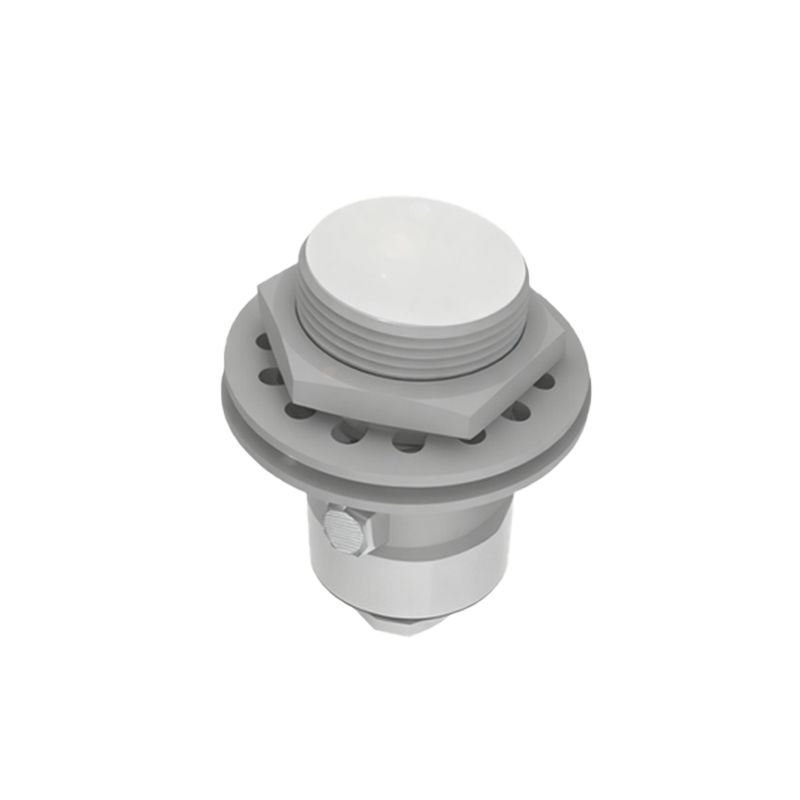
Inductive Proximity Sensors
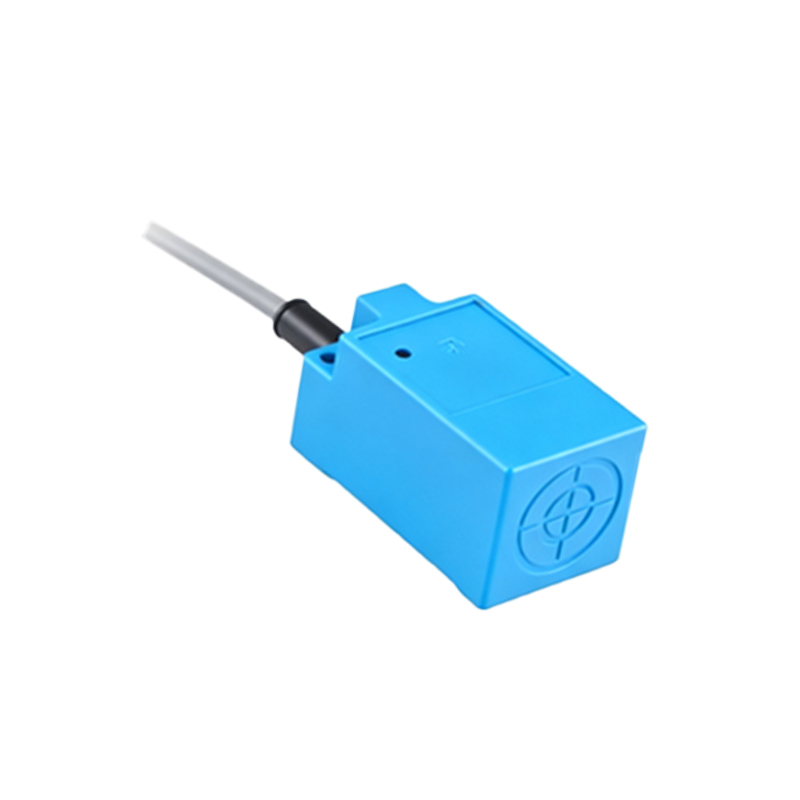
Inductive proximity sensors are designed to detect metallic objects, primarily ferrous metals like steel and iron. They operate on the principle of electromagnetic induction. The sensor generates an oscillating electromagnetic field from its coil. When a metal object enters this field, eddy currents are induced on the object's surface, causing a change in the oscillation amplitude. This change is detected by the sensor's circuitry, triggering an output signal. Common models include cylindrical housings (e.g., M8, M12, M18, M30 threaded barrels) and rectangular block styles. Typical sensing ranges vary from 1mm to 40mm. They are highly resistant to environmental factors like dust, oil, and coolant, making them ideal for harsh machine tool environments. Popular series include the Allen-Bradley 871TM, Siemens 3RG, and Omron E2E. Prices typically range from $20 to $150 USD, depending on housing material, sensing range, output type (PNP/NPN, NO/NC), and connection style.
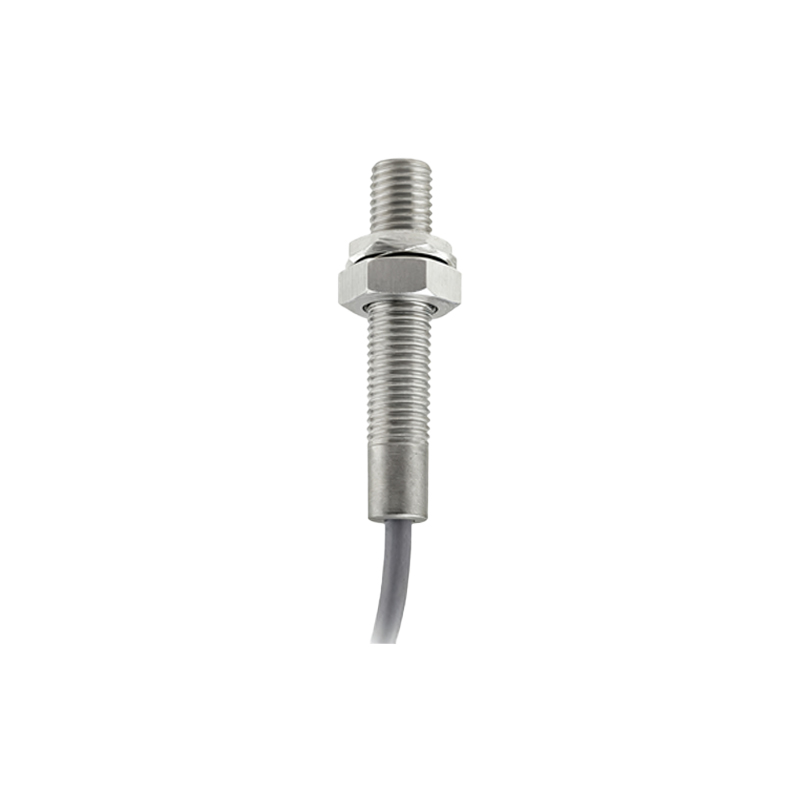
Capacitive Proximity Sensors
Capacitive proximity sensors can detect both metallic and non-metallic objects, including liquids, powders, plastics, and wood. They function by generating an electrostatic field. When any object with a dielectric constant different from air enters this field, it changes the capacitance of the sensor's circuit, which is then measured to trigger an output. These sensors often have a potentiometer for sensitivity adjustment, allowing them to "tune out" background materials or detect through thin non-metallic barriers. Common applications include level detection of liquids or granular materials, and detecting non-metallic parts on conveyor lines. Form factors are similar to inductive sensors. Leading models are from brands like Pepperl+Fuchs (NBN series), Schneider Electric (XS6C), and Balluff (BCS). The price range is generally between $25 and $200 USD, with factors like extended sensing range (up to 40mm) and special housing materials influencing cost.
Ultrasonic Proximity Sensors
Ultrasonic sensors use sound waves beyond human hearing to detect objects and measure distance. They emit high-frequency sound pulses and calculate the time interval between sending the signal and receiving the echo reflected from an object. This principle allows them to detect virtually any material, regardless of color, transparency, or surface texture, as long as it reflects sound. They offer much longer sensing ranges, from a few centimeters up to several meters. Applications include pallet detection, loop control, and liquid level measurement in large tanks. Models come in both cylindrical and rectangular housings, with analog or switching outputs. Key manufacturers include Banner Engineering (Q45U), Sick (UM30), and ifm electronic (UNAM). Due to their complex electronics and capabilities, prices are higher, ranging from $100 to $500 USD or more.
Photoelectric Proximity Sensors
Photoelectric sensors utilize a light beam (visible red, infrared, or laser) to detect the presence or absence of an object. They consist of an emitter (light source) and a receiver. There are three main operating modes relevant to proximity sensing: diffuse (reflective), retro-reflective, and through-beam. Diffuse mode sensors have the emitter and receiver in one housing and detect light reflected directly from the target object. They are common for general object detection at short to medium ranges. These sensors can detect a wide variety of materials but can be affected by color, reflectivity, and surface angle. Models are diverse, from small tubular styles to larger rectangular sensors with advanced background suppression features. Major suppliers are Keyence (PX series), Omron (E3Z), and Rockwell Automation (45ML). Prices vary widely from $30 for basic models to over $300 for high-precision, long-range, or specialized laser models.
Magnetic Proximity Sensors (Reed Switches)
Magnetic proximity sensors, often using a reed switch or Hall-effect principle, detect the presence of a permanent magnet. The reed switch consists of two ferromagnetic reeds sealed in a glass tube. When a magnet approaches,