Introduction to DLK Photoelectric Sensors
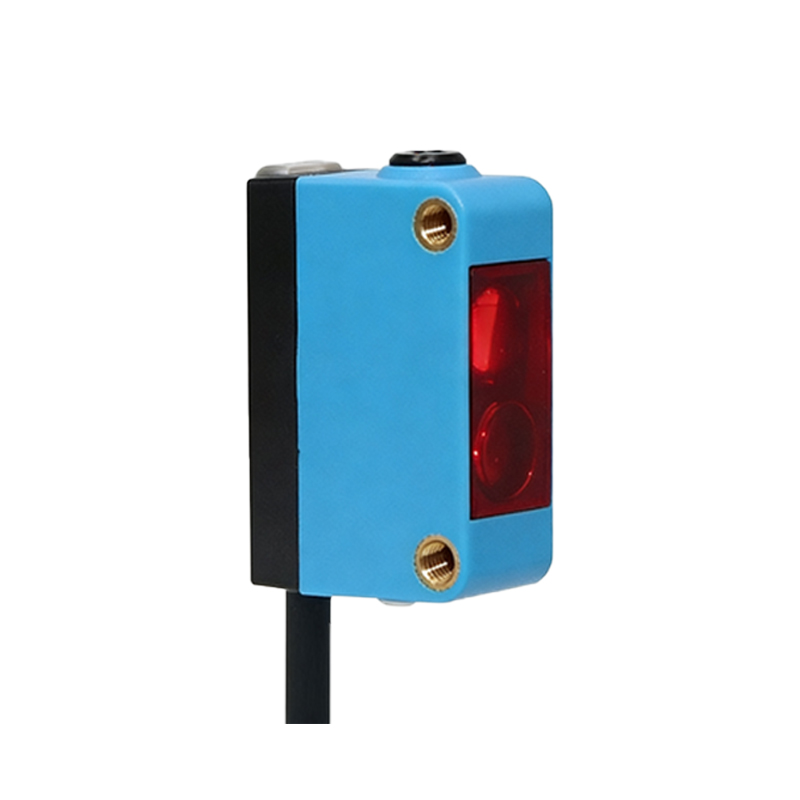
DLK photoelectric sensors represent a cornerstone technology in modern industrial automation and control systems. These devices operate on the fundamental principle of converting light signals into electrical currents to detect the presence, absence, or position of objects without physical contact. The core mechanism involves an emitter, which projects a light beam—typically infrared, visible red, or laser—and a receiver that captures the reflected or interrupted light. This non-contact detection method offers significant advantages over mechanical switches, including higher reliability, faster response times, and minimal wear and tear. In demanding industrial environments, from automotive assembly lines to food and beverage packaging, DLK sensors provide the precision and durability necessary for continuous, high-speed operations. Their ability to function in various sensing modes, such as through-beam, retro-reflective, and diffuse reflective, makes them exceptionally versatile for a wide range of applications.
Key Operating Principles and Sensing Modes
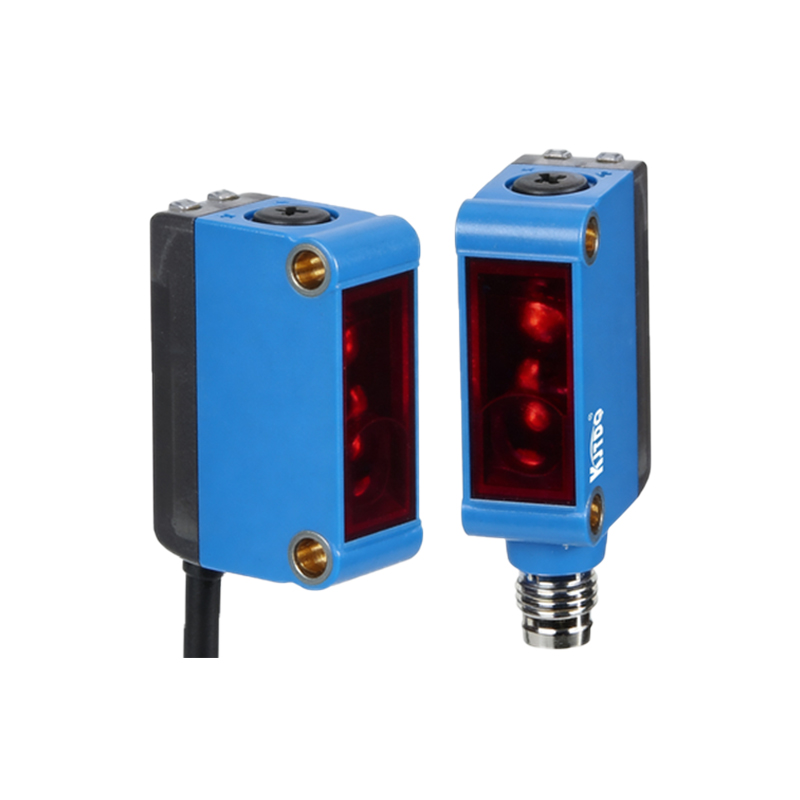
Understanding the distinct sensing modes is crucial for selecting the appropriate DLK photoelectric sensor for a specific task. The through-beam, or opposed mode, consists of separate emitter and receiver units placed opposite each other. Detection occurs when an object breaks the light beam traveling from the emitter to the receiver. This mode offers the longest sensing range and highest reliability, as it is less susceptible to object color, texture, or reflectivity. The retro-reflective mode utilizes a single housing containing both emitter and receiver, along with a reflector. The sensor detects an object when it interrupts the light beam reflected back from the reflector. This mode provides a good balance of range and ease of installation. Finally, the diffuse reflective, or proximity mode, also houses the emitter and receiver together but relies on light reflecting directly off the target object. While its range is shorter and it can be influenced by the object's properties, it simplifies installation by requiring only one device and no separate reflector.
Advanced Features and Technological Innovations
Modern DLK photoelectric sensors incorporate advanced features that enhance their functionality and integration within complex automation systems. Many models now feature background suppression technology, which allows the sensor to ignore distant objects or background surfaces, focusing detection only within a precise, adjustable range. This is particularly valuable in material handling and robotic guidance. Laser-based models offer extremely small, precise light spots for detecting minute objects or precise edges. Furthermore, the integration of IO-Link communication protocol is a significant innovation, enabling smart sensor capabilities. IO-Link allows for remote configuration, real-time parameter adjustment, and detailed diagnostic data transmission, facilitating predictive maintenance and reducing machine downtime. Robust housing designs with high IP ratings (e.g., IP67, IP69K) ensure reliable operation in the presence of dust, moisture, oils, and high-pressure washdowns, which are common in pharmaceutical, chemical, and food processing industries.
Critical Selection Criteria for System Integration
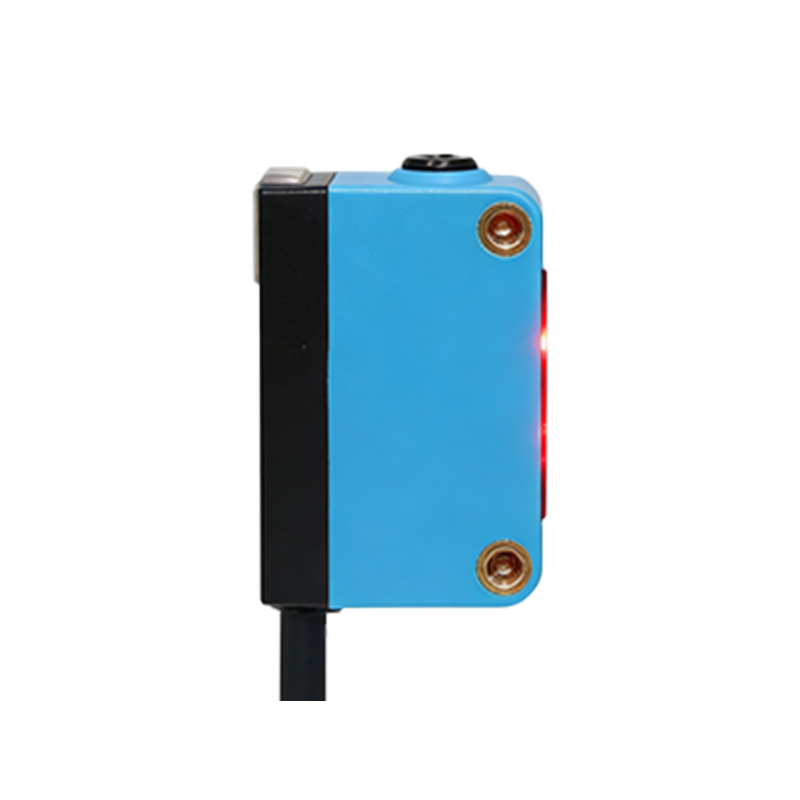
Selecting the optimal DLK sensor requires a careful analysis of several application-specific parameters. The sensing range is the primary consideration, dictated by the distance between the sensor and the target object. The size, material, and color of the target also influence the choice; dark or absorbent materials may require a sensor with higher excess gain. The required response time, or switching frequency, must match the speed of the production line to ensure no missed detections. Environmental conditions are paramount; sensors exposed to extreme temperatures, corrosive chemicals, or heavy vibration need correspondingly rugged specifications. Electrical output type (e.g., NPN, PNP, analog, relay) must be compatible with the host programmable logic controller (PLC) or control system. Finally, the physical form factor, including housing shape (cylindrical or rectangular) and mounting style, must suit the mechanical constraints of the installation space. A thorough evaluation of these factors ensures optimal sensor performance and system reliability.
Common Applications Across Major Industries
The application spectrum for DLK photoelectric sensors is vast and critical to operational efficiency. In the automotive sector, they are indispensable for part presence verification on conveyor belts, robot positioning for welding and assembly, and bottle counting in fluid filling stations. Within packaging machinery, these sensors accurately detect labels, monitor fill levels, and control the cutting and sealing of materials. In material handling and logistics, they facilitate object counting on high-speed sortation lines, pallet positioning in automated storage and retrieval systems (AS/RS), and break-beam safety curtains. The electronics manufacturing industry relies on them for precise PCB board positioning and component insertion verification. Furthermore, in clean and harsh environments alike, their sealed designs allow for tasks such as detecting transparent bottles in pharmaceutical packaging or monitoring liquid levels in chemical tanks, showcasing their unparalleled adaptability and resilience.
Maintenance, Troubleshooting, and Best Practices
Ensuring the long-term reliability of DLK photoelectric sensors involves adherence to proper installation, maintenance, and troubleshooting protocols. During installation, precise alignment of through-beam and retro-reflective sensors is critical for maximum performance. Lenses should be kept clean and free from obstructions like dust, debris, or condensation, which can scatter or attenuate the light beam. Regular functional checks should be part of preventive maintenance schedules. Common issues include false triggering or failure to detect. Troubleshooting typically involves verifying power supply stability, checking for optical misalignment, inspecting for ambient light interference (such as from welding arcs or sunlight), and ensuring the sensing range is appropriately set for the target. Utilizing sensors with built-in diagnostic LEDs greatly simplifies this process. Implementing best practices, such as using mounting brackets for stability and installing protective guards in high-impact areas, significantly extends sensor lifespan and maintains system uptime.