The Evolution of Sensing Technology
The landscape of industrial automation and smart systems has been fundamentally reshaped by the advancements in proximity sensing. High-tech proximity sensor companies are at the forefront of this revolution, moving beyond simple detection to providing intelligent, data-rich solutions. Modern sensors are no longer just switches; they are sophisticated nodes in the Internet of Things (IoT), capable of measuring distance, presence, and even material composition with unprecedented accuracy. This evolution from basic inductive and capacitive models to laser, ultrasonic, and vision-based systems marks a significant leap. These companies invest heavily in R&D to push the boundaries of what's possible, enabling machinery to perceive its environment with near-human sensitivity, which is critical for applications ranging from collaborative robotics to autonomous guided vehicles.
Core Technologies Driving the Market
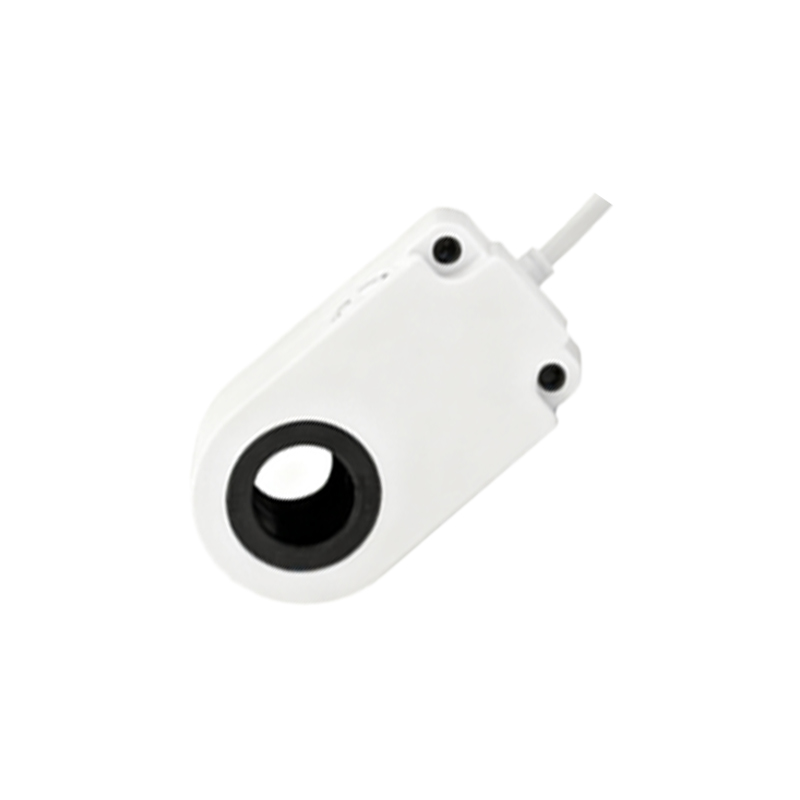
Several key technologies form the backbone of today's leading proximity sensor offerings. Inductive sensors remain a staple for metal detection in harsh environments, but their capabilities have been enhanced with improved noise immunity and longer sensing ranges. Capacitive sensors have seen similar refinements, allowing for the detection of a wider variety of materials, including liquids and powders, through non-metallic containers. The most significant growth, however, is in optical and laser-based time-of-flight (ToF) sensors. These devices offer micron-level precision for positioning and inspection tasks. Furthermore, companies are integrating advanced algorithms and embedded processors directly into sensor housings, creating "smart sensors" that can perform edge computing, such as condition monitoring and predictive maintenance analytics, without relying on a central controller.
Application-Specific Design and Customization
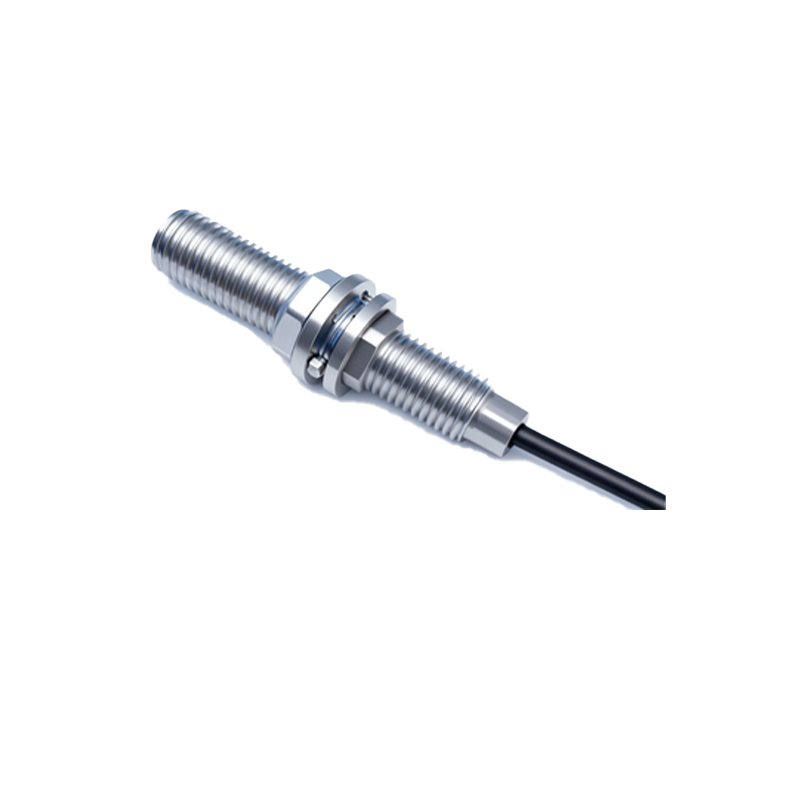
A defining characteristic of top-tier high-tech sensor firms is their commitment to application-specific engineering. They understand that a one-size-fits-all approach is ineffective in complex industrial settings. Consequently, these companies offer extensive customization, developing sensors with unique form factors, specialized lens coatings, or communication protocols like IO-Link and Ethernet-APL. For instance, sensors designed for the food and beverage industry feature hygienic, washdown-safe housings, while those for automotive assembly lines boast exceptional resistance to electromagnetic interference. This focus on tailored solutions ensures reliable performance under extreme conditions of temperature, pressure, and contamination, directly impacting operational efficiency and safety.
The Integration with Industry 4.0 and IoT
Connectivity is the new frontier. Leading proximity sensor manufacturers are not just selling components; they are providing gateways to digitalization. Modern sensors come equipped with industrial Ethernet and wireless capabilities, seamlessly feeding real-time data into Manufacturing Execution Systems (MES) and cloud platforms. This data transparency allows for the optimization of entire production processes. For example, a network of smart proximity sensors can track component flow on an assembly line, identify bottlenecks in real-time, and even trigger automatic replenishment orders for consumables. This deep integration is a core value proposition, turning raw detection signals into actionable business intelligence and forming the sensory nervous system of the smart factory.
Challenges and Future Trajectories
Despite rapid progress, the industry faces ongoing challenges. Miniaturization demands must be balanced with robustness and sensing performance. As sensors become more connected, cybersecurity emerges as a critical concern, requiring hardened firmware and secure communication stacks. Looking ahead, the future points toward greater sensor fusion—combining proximity data with other sensory inputs like temperature or vibration for a holistic view of machine health. Furthermore, the adoption of artificial intelligence at the edge will enable sensors to perform complex pattern recognition and anomaly detection autonomously. Companies that pioneer in these areas of multi-sensor integration, embedded AI, and robust cybersecurity will define the next generation of proximity sensing solutions.