The Heart of Predictive Maintenance
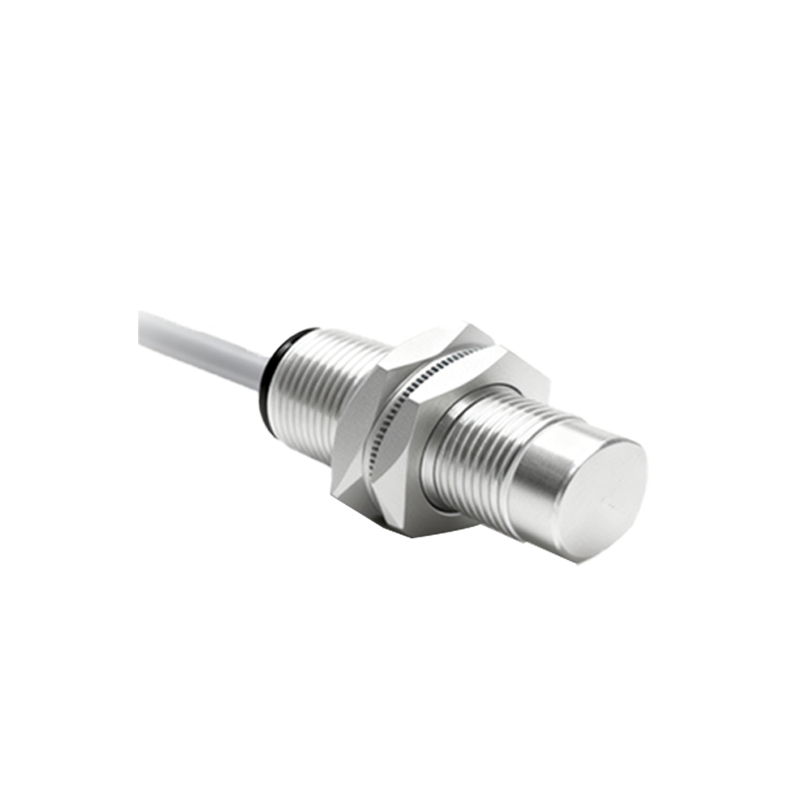
In the intricate world of industrial automation, turbine proximity sensor companies stand as pivotal enablers of efficiency and safety. These specialized firms design and manufacture non-contact sensors that detect the presence, position, or motion of metallic components within turbines and rotating machinery. By utilizing technologies such as eddy current, inductive, or capacitive sensing, these devices provide critical data on parameters like shaft displacement, vibration, and rotational speed. This real-time monitoring is the cornerstone of predictive maintenance strategies, allowing operators to foresee potential failures in critical assets like gas turbines, steam turbines, and compressors long before a catastrophic breakdown occurs. The precision offered by leading sensor manufacturers directly translates into extended equipment lifespan, minimized unplanned downtime, and significant operational cost savings.
Engineering Excellence in Harsh Environments
The operational demands on turbine proximity sensors are exceptionally severe. They must perform with unwavering accuracy in environments characterized by extreme temperatures, high pressures, corrosive atmospheres, and intense electromagnetic interference. Top-tier companies in this sector invest heavily in materials science and robust design. Sensors are often housed in stainless steel or specialized alloys, with hermetically sealed connectors and advanced signal conditioning electronics. This engineering rigor ensures that the sensor's output—typically a stable analog voltage or current signal—remains reliable even when mounted mere millimeters from a high-speed turbine blade. The ability to deliver consistent performance under such duress is what distinguishes premium manufacturers and builds trust with clients in power generation, oil and gas, and aerospace industries.
Integration with Digital Ecosystems
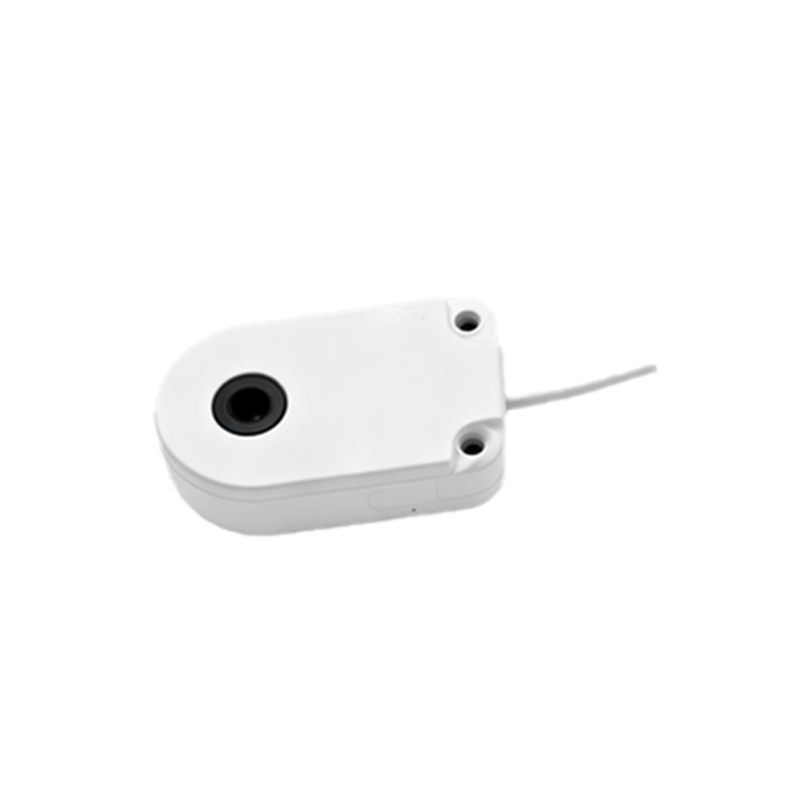
Modern turbine proximity sensor companies are no longer mere component suppliers; they are integral partners in the Industrial Internet of Things (IIoT) revolution. The latest generation of sensors is equipped with digital interfaces, onboard diagnostics, and smart communication protocols like IO-Link. This allows for seamless integration with Distributed Control Systems (DCS), Programmable Logic Controllers (PLC), and cloud-based analytics platforms. The data stream from a network of these sensors creates a digital twin of the rotating machinery, enabling advanced analytics for performance optimization and root-cause analysis. Forward-thinking companies provide comprehensive software suites that help customers visualize trends, set intelligent alarms, and generate automated maintenance reports, thereby transforming raw vibration data into actionable operational intelligence.
Driving Standards and Ensuring Compliance
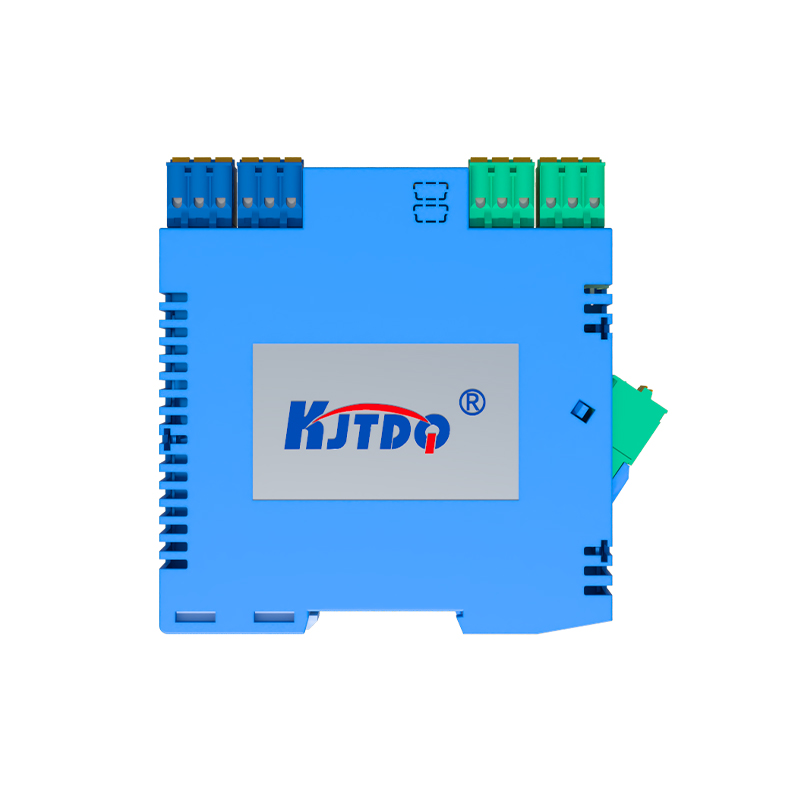
The industry is governed by stringent international standards that ensure safety, interoperability, and performance. Reputable turbine proximity sensor companies actively participate in standards bodies and rigorously test their products against certifications such as ATEX/IECEx for hazardous areas, API 670 for machinery protection systems, and ISO 10816 for vibration severity. Compliance is not an afterthought but a foundational aspect of the design process. This commitment to standards provides end-users with the confidence that the sensing systems will perform as specified in mission-critical applications, from a nuclear power plant's coolant pump to the jet engine of a commercial aircraft, where failure is not an option.
The Future: Miniaturization and Enhanced Intelligence
The trajectory of innovation in this field points toward greater miniaturization, enhanced intelligence, and multifunctional capabilities. Research and development teams are working on sensors with embedded machine learning algorithms capable of identifying specific fault signatures autonomously. There is also a push to reduce the sensor footprint without compromising range or sensitivity, allowing for installation in increasingly compact turbine designs. Furthermore, the integration of wireless power and data transmission is being explored to simplify installation and reduce cabling costs. As industries worldwide push for higher efficiency and lower emissions, the demand for smarter, more resilient, and more integrated proximity sensing solutions will only intensify, cementing the central role of these specialized technology providers.