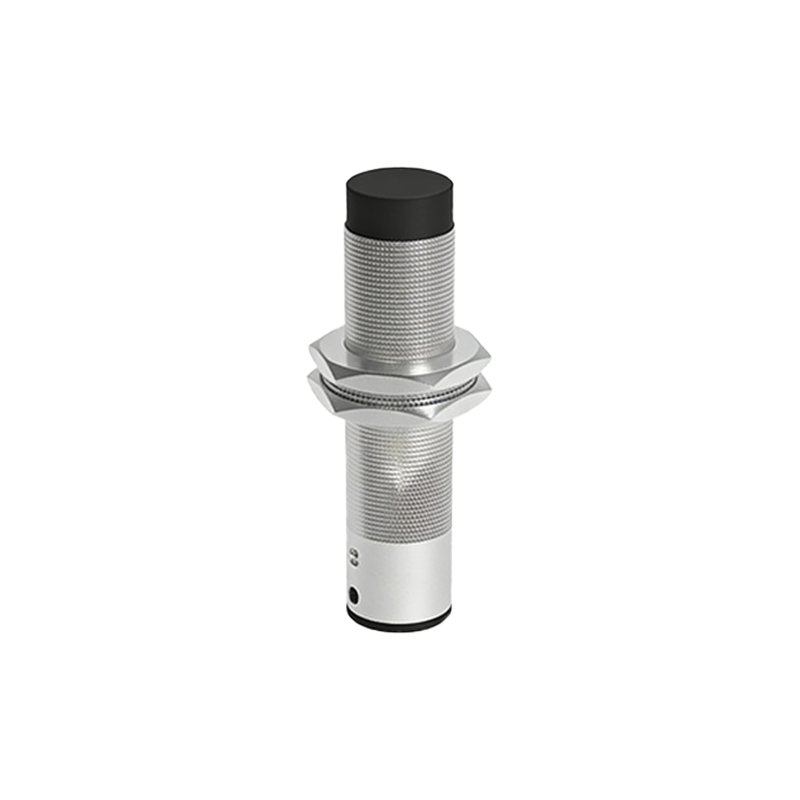
Selecting the ideal proximity sensor for an application is a critical decision that impacts efficiency, safety, and cost. With various technologies available, navigating the options can be complex. This guide provides a structured methodology to ensure you choose the most suitable sensor for your specific needs.
The first and most crucial step is to clearly define the application requirements. Ask fundamental questions: What is the target material? Is it metallic, non-metallic, plastic, or liquid? What is the required sensing distance? This is the nominal range specified by manufacturers, but real-world factors like target size, shape, and material influence the effective switching distance. You must also determine the required output type. Do you need a simple digital on/off signal (PNP or NDC sourcing, or NPN sinking), an analog output (4-20mA or 0-10V) for distance measurement, or a specialized IO-Link digital communication output for advanced diagnostics and parameterization? Environmental conditions are equally vital. Will the sensor be exposed to extreme temperatures, moisture, oils, chemicals, or heavy vibration? These factors dictate the required ingress protection (IP) rating and housing material, such as stainless steel for harsh environments.
Next, you must understand the core technologies. Inductive proximity sensors are the most common choice for detecting metallic objects only. They generate an electromagnetic field and detect eddy current losses in the target. They are robust, precise, and unaffected by non-metallic contaminants like dust or water. Capacitive sensors can detect nearly any material, including metals, plastics, glass, wood, and liquids, by sensing changes in capacitance. They are ideal for level detection in tanks or presence detection of non-metals but can be influenced by environmental humidity. Ultrasonic sensors use sound waves to detect objects and measure distance, effective for a wide variety of materials and useful in challenging environments with dust or fog. They are excellent for larger sensing ranges and transparent objects but may have slower response times. Photoelectric sensors use light beams (visible, infrared, or laser) and are versatile for long-range detection and small object sensing. They come in thru-beam, retro-reflective, and diffuse (proximity) modes. While powerful, their performance can be affected by target color, reflectivity, and ambient light.
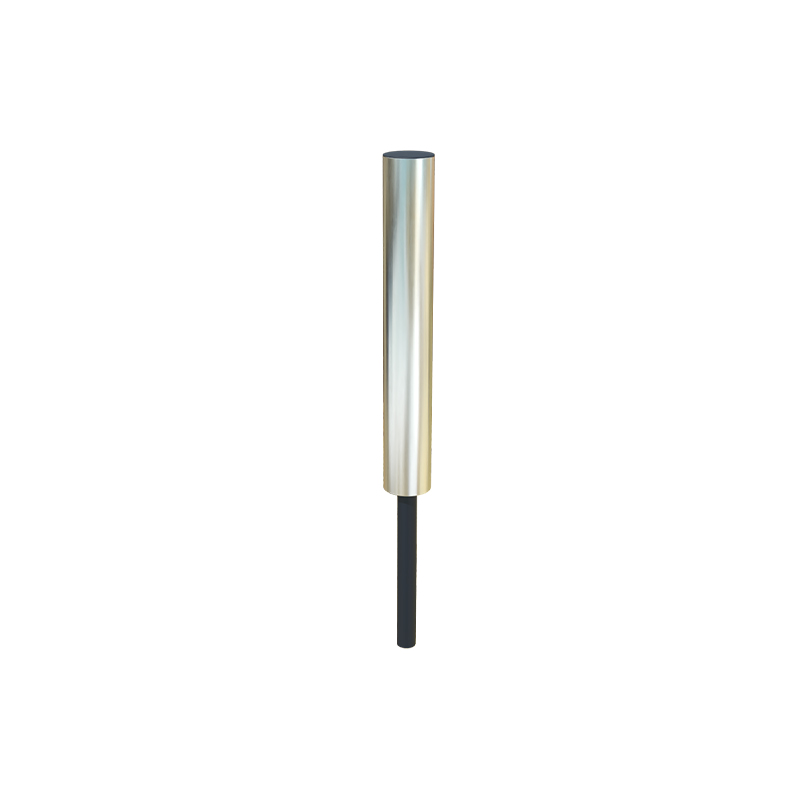
Once the technology is narrowed down, evaluate key performance specifications. Repeatability refers to the sensor's ability to consistently detect an object at the same exact point. Hysteresis is the difference between the switch-on and switch-off points, which prevents chattering when a target is at the sensing edge. Response time, or switching frequency, indicates how quickly the sensor can detect objects in rapid succession, critical for high-speed automation. Don't forget physical constraints. The sensor's size and shape (barrel, rectangular, ring-shaped) must fit the installation space. The mounting style (flush or non-flush for inductive sensors) also affects the sensing range and surrounding metal interference.
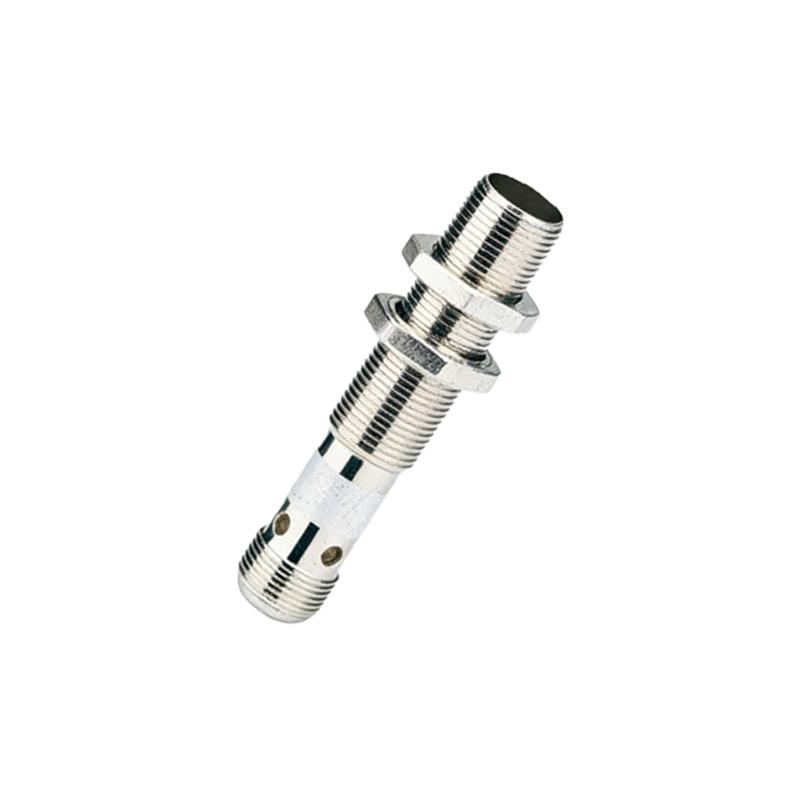
Finally, consider long-term operational factors. Ease of installation and wiring, availability of accessories (brackets, cables), and maintenance requirements influence total cost of ownership. Sensors with LED status indicators and diagnostic capabilities, like short-circuit and overload protection, can significantly reduce downtime. While initial cost is a factor, the reliability and longevity of the sensor often provide greater value over time, preventing costly production stoppages.
In summary, a methodical approach is essential. Start with a detailed analysis of the target, environment, and required output. Match these needs to the appropriate sensing technology. Then, scrutinize the technical specifications to ensure performance under actual operating conditions. By following this process, engineers and technicians can make informed decisions, selecting a proximity sensor that delivers reliable, accurate, and durable performance for years to come.