Introduction to Infrared Proximity Sensing
Infrared proximity sensors are ubiquitous in modern automation and electronics, serving as the unseen eyes of countless systems. At their core, these devices detect the presence, absence, or distance of an object by emitting an infrared light beam and analyzing the reflected signal. Unlike ultrasonic sensors that use sound waves, infrared sensors rely on light in the non-visible spectrum, typically with wavelengths between 700 nm and 1 mm. This fundamental principle allows for fast, contactless, and reliable detection, making them ideal for applications ranging from smartphone screen dimming to complex robotic guidance on factory floors. Their operation hinges on the behavior of infrared radiation when it encounters different materials and surfaces.
The Core Components and Emission
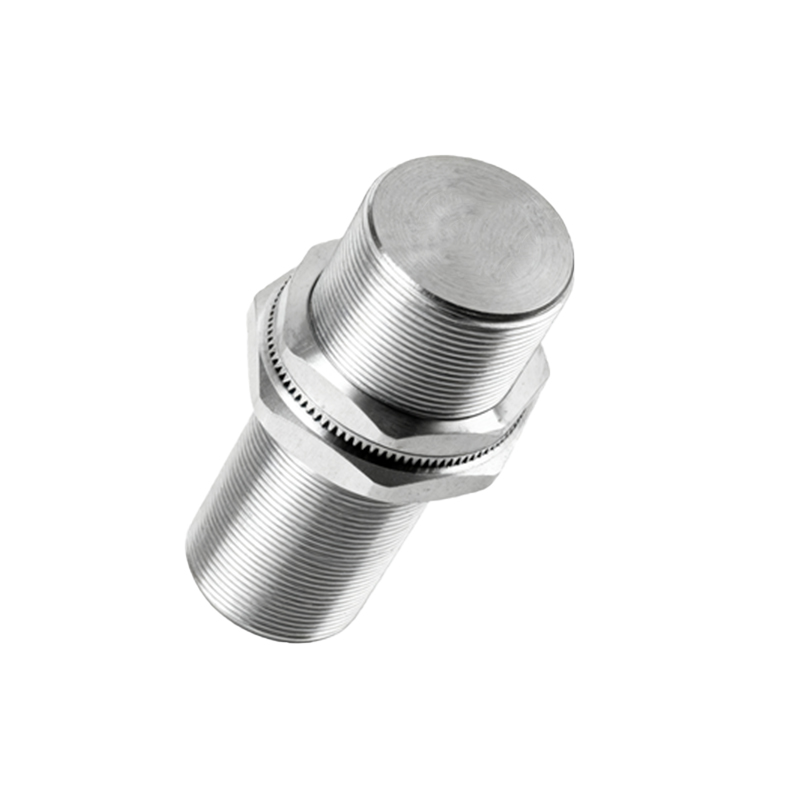
An infrared proximity sensor consists of two primary components: an infrared emitter, usually an Infrared Light Emitting Diode (IR LED), and an infrared receiver, typically a photodiode or a phototransistor. The IR LED emits a modulated beam of infrared light. Modulation, or pulsing the light at a specific frequency, is crucial. It allows the sensor's receiver to distinguish the reflected signal from ambient infrared noise, such as sunlight or indoor lighting, which contains broad-spectrum IR. The emitter circuit drives the LED to produce this consistent, coded pulse of invisible light, which propagates outward in a defined pattern, often shaped by a lens.
Detection Through Reflection and Reception
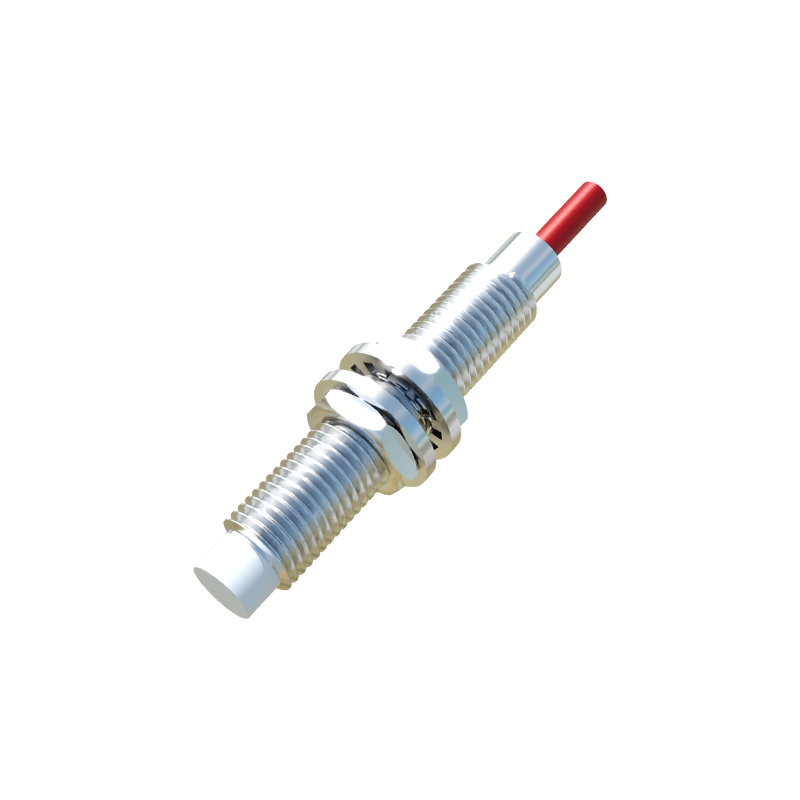
When no object is within the sensor's detection range, the emitted IR beam continues into space, and the receiver detects minimal signal. However, when an object enters the detection field, a portion of the emitted infrared light reflects off the object's surface. The amount and angle of reflection depend on the object's color, material, texture, and distance. Dark, matte surfaces absorb more IR light, while light-colored, shiny surfaces reflect more. This reflected light travels back toward the sensor. The infrared receiver, tuned to the same modulation frequency as the emitter, captures this returning signal. Its sensitivity is key; it converts the faint infrared photons into a small, measurable electrical current.
Signal Processing and Distance Measurement
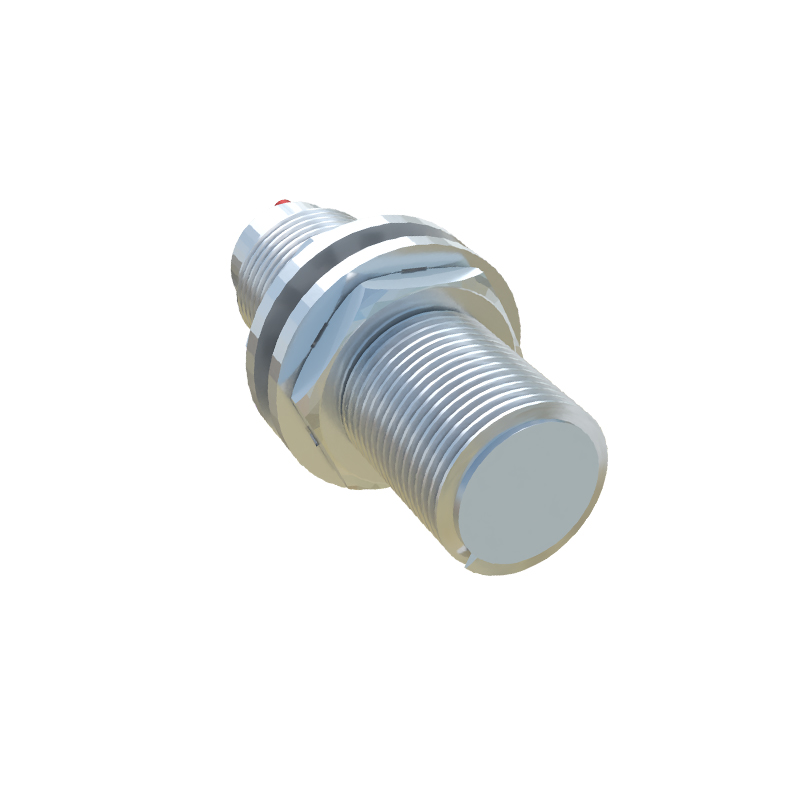
The raw signal from the receiver is weak and noisy. An integrated signal processing circuit amplifies this signal and filters out any components not matching the emitter's modulation frequency. For simple presence detection, a comparator circuit checks if the amplified signal exceeds a predefined threshold. If it does, the sensor's output switches state, indicating an object is "near." For distance measurement, more sophisticated methods are used. The most common is triangulation. Here, the emitter and receiver are placed at a known distance from each other. The position of the reflected light spot on the receiver's sensitive area shifts depending on the object's distance. By calculating this shift, the sensor can determine the precise distance to the object with high accuracy.
Key Performance Characteristics
Several parameters define an infrared proximity sensor's performance. Detection range specifies the minimum and maximum distances at which the sensor can reliably detect an object. Response time is how quickly the sensor can detect a change and update its output. The beam pattern or sensing field describes the shape and angle of the emitted and detected IR zone, which can be narrow or wide. Repeatability refers to the sensor's ability to consistently detect the same object at the same distance. Environmental factors like ambient temperature, dust, fog, or strong ambient IR sources can significantly impact these characteristics, necessitating proper housing and sometimes protective windows made of materials transparent to IR, like polycarbonate.
Common Industrial Applications and Advantages
The applications for infrared proximity sensors are vast. In manufacturing, they count products on conveyor belts, detect the position of robotic arms, and ensure proper alignment in assembly machines. In consumer electronics, they enable touchless faucets, automatic hand dryers, and the screen-off function during phone calls. Their advantages are numerous: they are immune to acoustic noise, offer fast response times, can detect small objects, and provide non-contact operation that prevents wear and tear. Compared to inductive or capacitive sensors, they can detect non-metallic objects, but they may struggle with transparent materials like glass or highly absorbent surfaces.
Challenges and Design Considerations
Designing with infrared proximity sensors requires careful consideration. Cross-talk between the emitter and receiver without an object present must be minimized through physical baffling or optical separation. The sensor must be calibrated for the specific reflectivity of the target material. Dirty lenses can scatter or block IR light, leading to failure, so designs in harsh environments require maintenance plans. Furthermore, multiple sensors operating in close proximity must use different modulation frequencies to avoid interfering with each other. Power consumption, especially for battery-operated devices, is also a critical factor,