Understanding the Core Technology
Proximity sensors designed for metal detection are non-contact electronic devices that identify the presence or absence of metallic objects within their sensing range. Unlike mechanical switches, they operate without physical contact, making them ideal for harsh industrial environments where reliability and longevity are paramount. The most common technologies employed are inductive proximity sensors and, for specific applications, capacitive types. Inductive sensors generate an electromagnetic field. When a metallic object enters this field, it induces eddy currents within the metal, causing a change in the sensor's oscillation amplitude. This change is detected by the sensor's internal circuitry, which then triggers a switching signal. The effective sensing distance, or nominal range, is a critical specification and varies based on the sensor's design and the target metal's properties, particularly its conductivity and magnetic permeability.
Key Operational Characteristics and Advantages
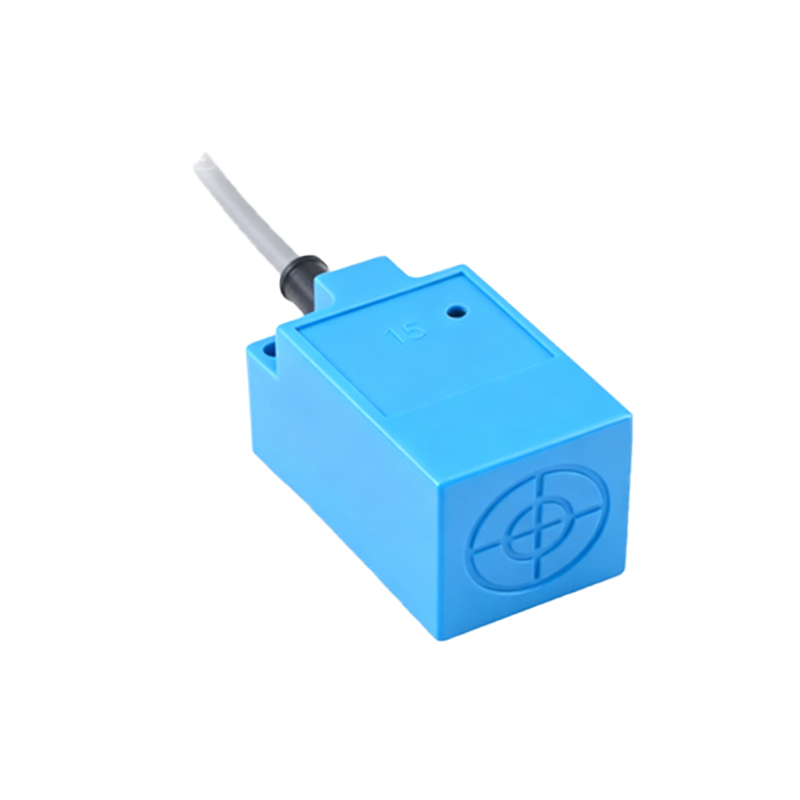
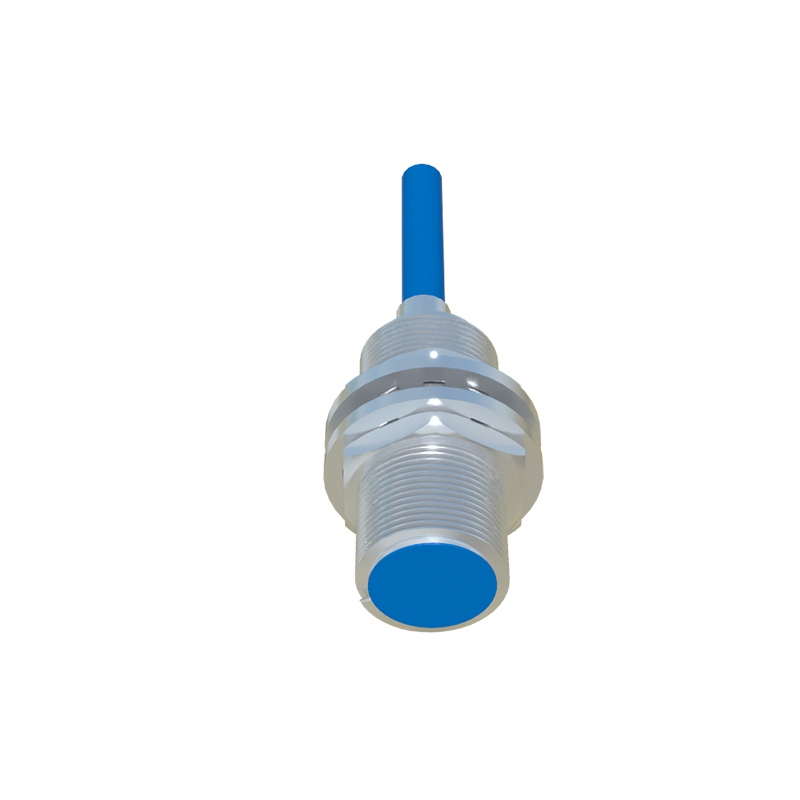
The performance of a metal-sensing proximity sensor is defined by several key parameters. The sensing distance, as mentioned, is fundamental. Repeat accuracy refers to the sensor's ability to consistently detect an object at the same point. Response time is the speed at which the sensor can detect an object and send a signal, often critical in high-speed automation. These sensors offer significant advantages. Their non-contact nature eliminates mechanical wear and tear, ensuring a long operational life. They are highly resistant to environmental contaminants like dust, oil, and coolant splashes, especially when housed in robust, often stainless-steel or nickel-plated brass bodies rated to IP67 or higher. Furthermore, they provide high switching frequencies and excellent repeatability, making them indispensable for precision counting, positioning, and end-of-travel detection tasks.
Material Influence: Ferrous vs. Non-Ferrous Metals
A critical consideration is the type of metal being detected. Standard inductive proximity sensors are primarily sensitive to ferrous metals (like iron and steel). The sensing range for these materials is typically the rated nominal distance. However, for non-ferrous metals (such as aluminum, copper, or brass), the effective sensing range is reduced, often to 30-60% of the nominal range. This reduction occurs because non-ferrous metals have lower magnetic permeability, resulting in weaker eddy current generation. For applications requiring detection of both metal types or where the target material varies, sensors with a "factor 1" design (equal sensitivity) or specialized models with correction factors must be selected. Understanding this material dependency is essential for correct sensor specification and avoiding application failures.
Common Industrial Applications and Use Cases
The applications for metal-detecting proximity sensors span virtually every manufacturing and processing sector. In automotive assembly lines, they verify the presence of engine blocks, pistons, or brake components. In packaging machinery, they detect metallic foil seals or control the position of metal parts. They are fundamental in metalworking for tool breakage detection on CNC machines, monitoring spindle position, or confirming part presence in a fixture. On conveyor systems, they count metal cans, bottles with caps, or parts for inventory control. In robotics, they serve as precise end-effector position feedback or safety interlocks. Their robustness also makes them suitable for harsh environments like sawmills, foundries, and agricultural equipment.
Selecting the Right Sensor for Your Application
Choosing the optimal proximity sensor requires a systematic evaluation of several factors. First, define the target material: ferrous, non-ferrous, or both. Next, determine the required sensing distance, adding a safety margin of 10-20% to the nominal range to account for installation tolerances and temperature variations. The sensor's physical size and housing shape (barrel, rectangular, ring) must fit the mounting constraints. Electrical output type (NPN sinking, PNP sourcing, or analog) must be compatible with the PLC or controller input. Environmental conditions dictate the needed ingress protection (IP) rating and housing material; stainless steel is preferred for washdown or corrosive areas. Finally, consider special features like weld-field immunity for use near welding equipment, or extended temperature range models for ovens or freezers.
Installation Best Practices and Troubleshooting Tips
Proper installation is crucial for reliable operation. Sensors should be mounted securely to prevent vibration-induced false triggers. Maintain adequate clearance from surrounding metal structures (the manufacturer's datasheet specifies this "side and flush-mounting" distance) to prevent interference with the electromagnetic field. Ensure the sensing face is parallel to the target for maximum range. For wiring, always follow the manufacturer's diagram, paying close attention to polarity for DC models. Common issues include failure to detect, which may stem from insufficient sensing distance, incorrect sensor type for the metal, or a misaligned target. Intermittent operation can be caused by electrical noise, unstable