In the landscape of modern automation and smart technology, proximity sensors stand as silent yet indispensable sentinels. These devices, capable of detecting the presence or absence of an object within a specific range without physical contact, form the backbone of countless industrial, consumer, and automotive systems. Their operation hinges on the emission of an electromagnetic field or a beam of radiation, and the subsequent analysis of changes in the field or return signal. The absence of mechanical contact translates to higher reliability, longer operational life, and the ability to detect fragile or sensitive objects.
The core principle revolves around various technologies, each suited to different applications. Inductive proximity sensors are the workhorses of industrial environments. They generate an oscillating electromagnetic field. When a metallic object enters this field, it induces eddy currents within the object, which in turn dampen the sensor's own oscillation. This change is detected, signaling the object's presence. These sensors are robust, resistant to environmental contaminants like dust and oil, and excel in detecting metals, making them ideal for machine automation, position sensing, and metal counting.
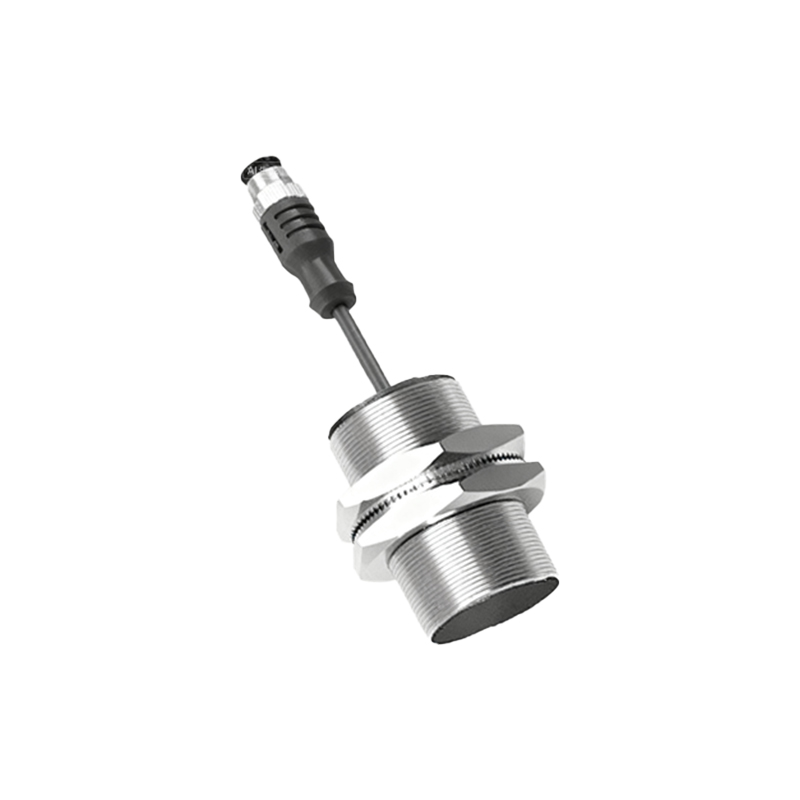
Capacitive proximity sensors, on the other hand, can detect both metallic and non-metallic materials—liquids, plastics, wood, and even granular substances. They function by generating an electrostatic field. Any object that enters this field alters the capacitance of the sensor's circuit. This technology is crucial in level sensing for tanks (liquid or solid), material handling, and touch-sensitive interfaces. Their sensitivity can often be adjusted, allowing them to "see through" certain non-metallic containers to detect the material inside.
For longer ranges and the need to detect any solid object regardless of material, photoelectric sensors are employed. These operate by emitting a beam of light (visible, infrared, or laser) and using a receiver to detect the light's status. The three main types are through-beam (separate emitter and receiver), retro-reflective (uses a reflector), and diffuse (reflects light off the target itself). They are fundamental in packaging lines, conveyor systems, safety curtains, and automated doors.
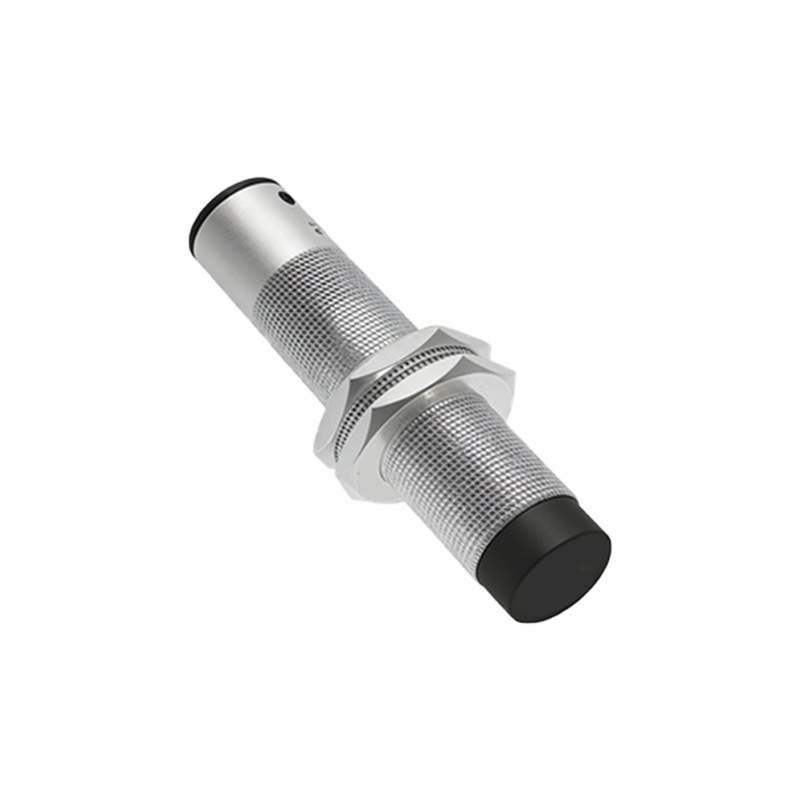
Ultrasonic sensors use sound waves beyond human hearing. They measure the time interval between emitting a sonic pulse and receiving its echo. This time-of-flight calculation provides highly accurate distance measurement, not just presence detection. They are unaffected by color, transparency, or material (though soft materials can absorb sound), making them perfect for challenging applications like liquid level control in harsh chemical environments, bulk material level sensing, and parking assist systems in vehicles.

The applications are vast and growing. In manufacturing, they enable precise robotic assembly, part positioning, and automated quality control. In consumer electronics, they deactivate touchscreens during phone calls to prevent accidental input and enable features like automatic display wake-up. The automotive industry relies on them for parking assistance, collision avoidance, and gesture control within the cabin. In the realm of smart infrastructure, they manage lighting control, occupancy detection for energy savings, and interactive public displays.
Looking forward, the evolution of proximity sensing is intertwined with the Internet of Things (IoT) and Industry 4.0. Sensors are becoming smarter, with integrated microprocessors for onboard diagnostics, data preprocessing, and communication via IO-Link or wireless protocols. Miniaturization continues, allowing their integration into ever-smaller devices. Furthermore, sensor fusion—combining proximity data with input from cameras, inertial measurement units, and other sensors—is creating more sophisticated context-aware systems for advanced robotics and autonomous vehicles. The development of new materials and sensing principles, such as those based on graphene or advanced optics, promises even greater sensitivity, selectivity, and durability for the next generation of these critical components.