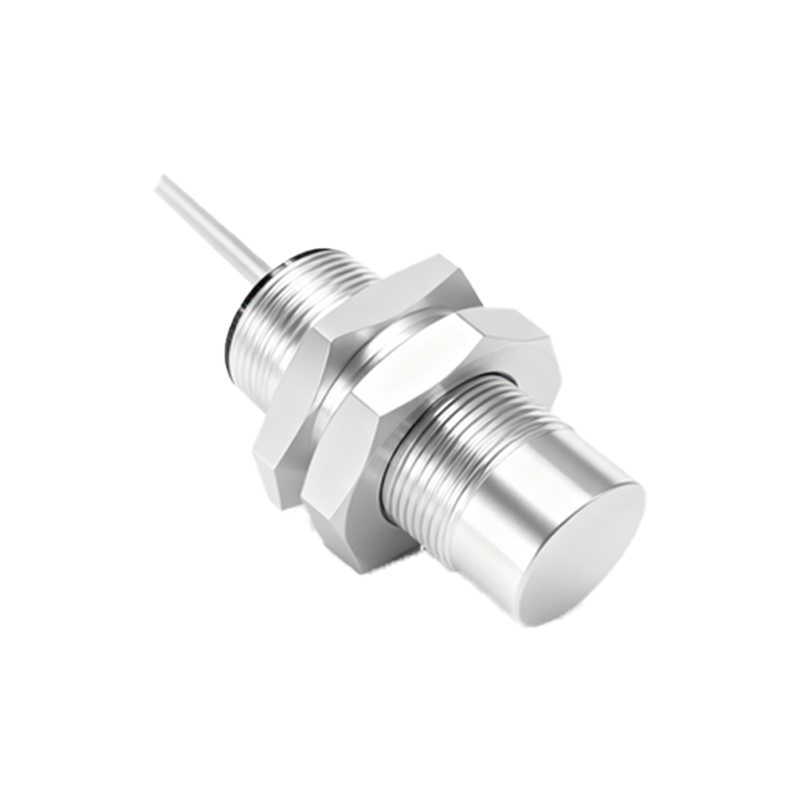
In the intricate landscape of industrial automation, consumer electronics, and smart infrastructure, proximity sensor platforms stand as silent, indispensable sentinels. These systems, far more sophisticated than simple on/off switches, form the foundational layer for countless applications where non-contact detection, precision measurement, and reliable operation are paramount. A proximity sensor platform is not merely a single component; it is an integrated ecosystem comprising the sensor itself, signal conditioning circuitry, communication interfaces, and often, embedded processing capabilities. This holistic approach transforms raw detection data into actionable intelligence, driving efficiency and safety across diverse sectors.
The core principle behind these platforms is the ability to detect the presence, absence, or position of an object without physical contact. This is achieved through various technologies, each suited to specific environmental conditions and application requirements. Inductive sensors, for instance, excel in industrial settings, detecting metallic objects with high reliability amidst dirt, oil, and vibration. Capacitive sensors, on the other hand, can detect a wider range of materials, including liquids, plastics, and granular substances, making them ideal for level sensing or touch interfaces. Ultrasonic sensors use sound waves to measure distance and detect objects, functioning well in challenging environments with dust or fog, commonly used in parking assistance systems and tank level monitoring. Finally, photoelectric sensors, utilizing light beams (visible, infrared, or laser), offer long-range detection and high precision for object counting, positioning, and assembly verification.
The true power of a modern proximity sensor platform lies in its integration and intelligence. Contemporary platforms are designed with digital outputs and standard industrial communication protocols like IO-Link, PROFINET, or EtherNet/IP. IO-Link, in particular, has revolutionized sensor platforms by enabling bidirectional communication. It allows not only for the transmission of a simple switching signal but also for the continuous streaming of process data (e.g., exact distance, signal strength, temperature) and the remote configuration of sensor parameters. This facilitates predictive maintenance, as the platform can report its operating health and warn of potential failures before they cause downtime. Furthermore, smart platforms incorporate microprocessors that can perform local data processing, such as filtering out background noise, implementing hysteresis to prevent signal chatter, or executing complex logic for multi-point detection.
Applications for these robust platforms are vast and growing. In automated manufacturing, they ensure robotic arms pick and place components accurately, verify part presence in fixtures, and monitor machine guarding for operator safety. In the automotive industry, they are embedded in vehicles for parking assistance, blind-spot detection, and gesture control for infotainment systems. Within smart buildings, they enable energy savings by controlling lighting and HVAC based on occupancy. They also play a critical role in logistics, managing inventory on conveyor belts and guiding automated guided vehicles (AGVs) through warehouses.
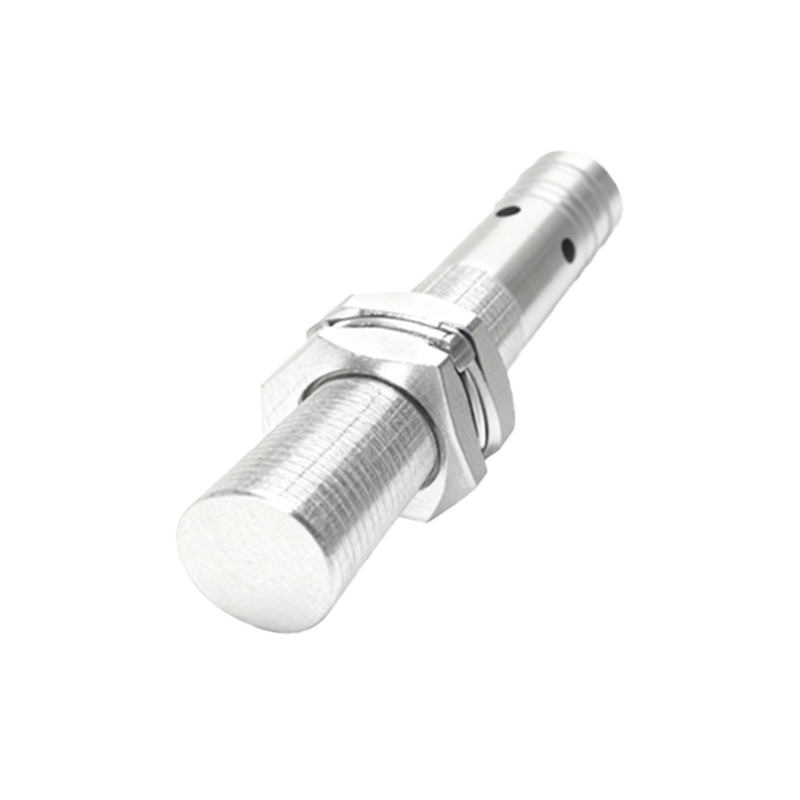
Selecting the right proximity sensor platform requires careful consideration of several factors. The sensing range, the material and size of the target object, and the environmental conditions (temperature, pressure, exposure to contaminants) are primary technical constraints. The required output type (digital switch, analog voltage/current, or digital data stream) and the electrical interface must align with the host control system. Finally, the physical housing of the sensor platform is crucial; it must provide adequate ingress protection (IP rating) for its operating environment, whether it's a washdown area in a food plant or an outdoor installation.
As Industry 4.0 and the Internet of Things (IoT) continue to evolve, proximity sensor platforms are becoming even more connected and data-rich. They are key data-generating nodes in cyber-physical systems, providing the essential feedback for closed-loop control and big data analytics. The future points toward platforms with enhanced diagnostic capabilities, lower power consumption for wireless applications, and greater miniaturization without sacrificing performance. By offering a reliable bridge between the physical and digital worlds, proximity sensor platforms will remain a cornerstone technology, enabling smarter, safer, and more efficient operations for years to come.