Introduction to Proximity Sensor Pricing Dynamics
The market for genuine, original equipment manufacturer (OEM) proximity sensors is characterized by a complex interplay of factors that determine final pricing. Unlike generic or counterfeit alternatives, genuine sensors from established brands like Siemens, Omron, Pepperl+Fuchs, and Balluff command a premium. This premium is not arbitrary but is rooted in rigorous research and development, stringent quality control, material selection, and comprehensive after-sales support. The pricing structure is typically segmented by technology type—inductive, capacitive, ultrasonic, and photoelectric—each with its own cost drivers based on sensing range, housing material, output configuration, and special features like IO-Link connectivity or high-temperature resistance. Understanding these dynamics is crucial for procurement specialists and engineers to make informed budgeting and sourcing decisions.
Key Factors Influencing OEM Sensor Costs
Several core elements directly impact the market quotation for a genuine proximity sensor. First, the sensing technology itself is a primary cost determinant. Inductive sensors, used for metal detection, are generally the most cost-effective, while specialized capacitive or ultrasonic models for liquid or complex material detection are higher. Second, performance specifications such as sensing distance, repeat accuracy, and switching frequency elevate the price. A sensor with a 15mm range will cost less than one with a 40mm range from the same series. Third, construction materials like stainless steel housings or PTFE-faced models for corrosive environments add significant cost compared to standard nickel-plated brass or PBT plastic. Finally, integrated smart features, including diagnostic capabilities, programmable parameters, and network compatibility, represent a substantial value addition reflected in the price.
Price Comparison: Genuine vs. Compatible Alternatives
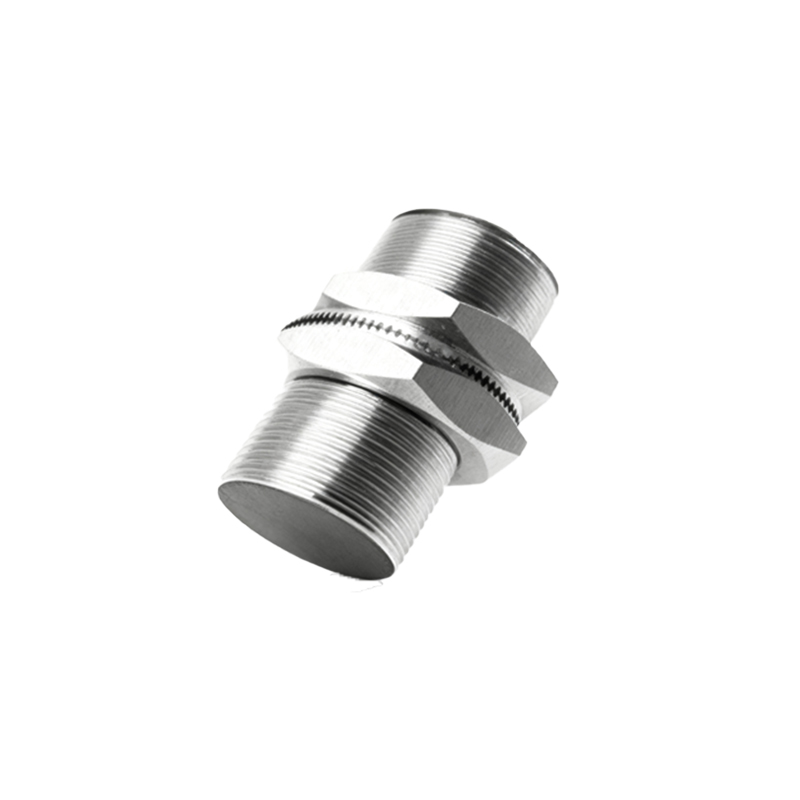
A frequent point of analysis is the cost difference between OEM sensors and "compatible" or third-party versions. Market quotations for genuine parts can be 20% to 100% higher than for non-original equivalents. This gap is justified by the guaranteed performance, longevity, and reliability of the OEM product. Genuine sensors undergo extensive testing for electromagnetic compatibility (EMC), shock, vibration, and environmental sealing (IP ratings). They come with full technical documentation, global certification (e.g., UL, CE, ATEX), and direct manufacturer warranty support. Using non-genuine sensors might reduce initial capital expenditure (CapEx) but can lead to higher total cost of ownership (TCO) due to unplanned downtime, production errors, and faster failure rates, especially in critical automation applications.
Market Trends and Their Impact on Quotations
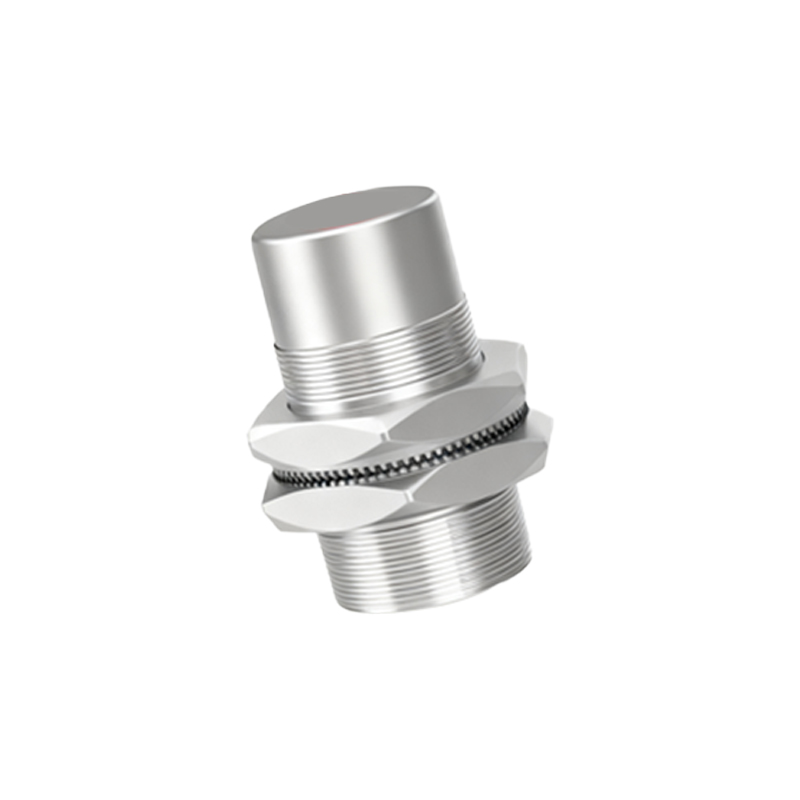
Current industrial trends are actively shaping proximity sensor pricing. The rapid adoption of Industry 4.0 and IIoT is increasing demand for sensors with embedded intelligence and digital communication, pushing prices for these advanced models upward while standard models may see price pressure. Global supply chain volatility for electronic components, such as semiconductors and rare-earth metals, continues to cause price fluctuations and extended lead times, affecting market stability. Furthermore, the emphasis on energy efficiency is driving development in low-power sensors, which may carry a development premium. Conversely, economies of scale in high-volume, standardized products help keep their prices competitive. Buyers must monitor these trends to anticipate pricing movements.
Strategies for Effective Procurement and Cost Management
To navigate the genuine proximity sensor market effectively, a strategic procurement approach is essential. Firstly, accurately define the application requirements to avoid over-specifying, which unnecessarily inflates cost. Engage with authorized distributors or direct manufacturer representatives who can provide detailed quotations, volume discounts, and accurate stock information. Consider the total cost of ownership, factoring in maintenance, energy consumption, and potential production losses, rather than just the unit price. For large projects, explore framework agreements or annual contracts to lock in pricing. Finally, standardizing sensor brands and types across a facility can reduce inventory complexity and improve negotiating leverage with suppliers, leading to more favorable market quotations over time.
Conclusion: The Value Proposition of Genuine Components
In conclusion, the market pricing for genuine proximity sensors reflects a value-based model centered on reliability, precision, and integration security. While the initial quotation is a key consideration, it should be evaluated within the broader context of machine performance, production line uptime, and operational safety. Investing in OEM sensors from reputable suppliers is an investment in predictable performance and reduced lifecycle risk. As automation systems become more sophisticated and interconnected, the role of a dependable sensing component becomes more critical, justifying the market premium associated with genuine products. Informed buyers who understand the cost drivers and long-term value are best positioned to make optimal purchasing decisions.
SEO描述