Level sensor proximity technology has become a cornerstone in modern industrial automation and process control. These devices, designed to detect the presence or absence of materials at a specific point without physical contact, offer reliability, precision, and durability across diverse environments. The core principle involves generating an electromagnetic field or beam; when a target material enters this field, it causes a detectable change in the sensor's output signal. This non-intrusive method minimizes wear, reduces maintenance, and prevents contamination, making it ideal for industries dealing with powders, granules, liquids, or bulk solids.
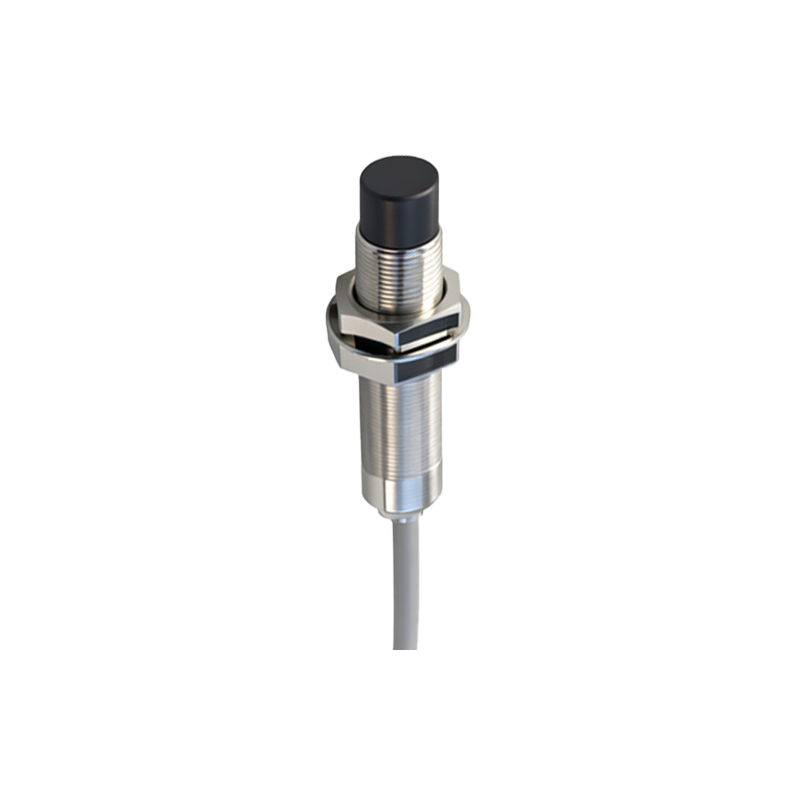
Several types of proximity level sensors dominate the market, each suited to particular applications. Capacitive sensors detect changes in capacitance caused by the proximity of a material, excelling with both conductive and non-conductive substances in tanks or silos. Inductive sensors, responding only to metals, are preferred in metal processing or machining. Ultrasonic sensors use sound waves to measure distance to the material surface, effective for continuous level monitoring in challenging conditions like high dust or vapor. Microwave or radar sensors provide high accuracy even in extreme temperatures and pressures, commonly used in chemical or food processing. The selection depends on factors like material properties, vessel design, environmental conditions, and required accuracy.
The advantages of using proximity-based level sensing are substantial. Their non-contact nature eliminates issues like material buildup, sensor corrosion, or mechanical failure associated with float switches or paddle wheels. They often feature solid-state construction with no moving parts, enhancing longevity and reducing downtime. Many modern sensors integrate self-diagnostic functions and digital communication protocols like IO-Link, HART, or PROFIBUS, enabling seamless integration into Industrial Internet of Things (IIoT) networks for predictive maintenance and real-time data analytics. This connectivity supports smarter inventory management, automated replenishment systems, and optimized production workflows.
In practical applications, these sensors prove invaluable. In the food and beverage industry, they monitor ingredients in mixing vessels or control fill levels in packaging lines, ensuring hygiene and consistency. Pharmaceutical manufacturing relies on them for precise batching of active compounds in sterile environments. Water treatment plants use them to manage chemical dosing and tank levels. In bulk material handling, such as mining or agriculture, they prevent overfills in silos or trigger conveyor controls. Even in renewable energy, they monitor biomass fuel levels or coolant in thermal systems. Proper installation is critical—factors like sensor mounting position, material dielectric constant, and potential interference from agitators or vessel walls must be considered to avoid false readings.
Looking ahead, innovations in proximity level sensing focus on enhanced intelligence and adaptability. Advances in chip technology allow for smaller sensors with higher sensitivity and better noise immunity. Machine learning algorithms are being embedded to distinguish between different materials or compensate for changing environmental conditions automatically. Furthermore, the push for Industry 4.0 drives development of sensors with embedded cybersecurity features and greater energy efficiency. As industries strive for higher automation and resource optimization, the role of reliable, accurate proximity level sensors will only expand, forming an essential link in the chain of efficient and safe industrial operations.