Introduction to the VCN42 Sensor
The VCN42 is a highly integrated, digital-output sensor module designed for proximity detection and ambient light sensing (ALS). It combines an infrared emitter, a photodiode for proximity sensing, and a separate photodiode for ambient light detection into a single compact package. This integration makes it an ideal solution for space-constrained applications where automatic display management and touchless interaction are required. The device operates on the principle of infrared light reflection for proximity and direct photometric measurement for ambient light. Its primary function is to detect the presence of an object, typically a user's head or hand, near a device and to measure the surrounding light intensity, enabling features like automatic display dimming or turning off the screen during a call to save power and prevent accidental touches.
Key Technical Specifications and Operating Principles
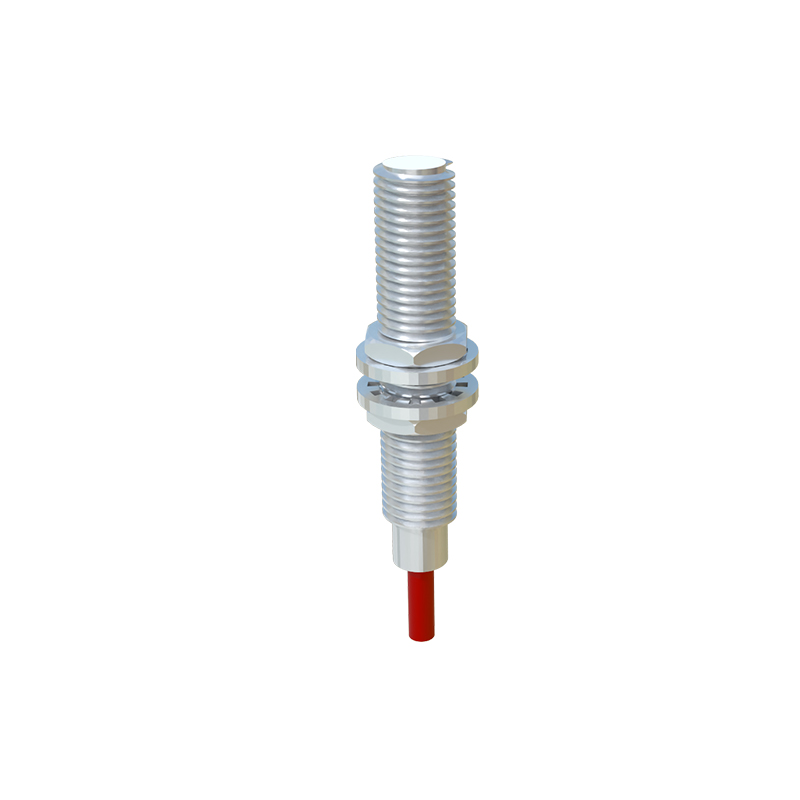
The VCN42 sensor operates with a typical supply voltage of 2.5V to 3.6V, making it compatible with common battery-powered systems. For proximity sensing, it emits modulated infrared light from its internal LED. The reflected light is captured by a dedicated photodiode, and the resulting signal is processed by an integrated digital logic circuit to provide a direct interrupt output or I2C-readable data. The modulation technique is crucial as it helps reject constant ambient infrared noise, such as from sunlight or artificial lighting. The ambient light sensing channel uses a separate photodiode with a spectral response that closely matches the human eye's photopic response, ensuring accurate measurement of visible light levels in lux. The sensor's programmable interrupt function allows the host microcontroller to remain in a low-power sleep mode until a proximity event or a significant change in light level is detected, thereby optimizing overall system power consumption.

I2C Communication and Configuration
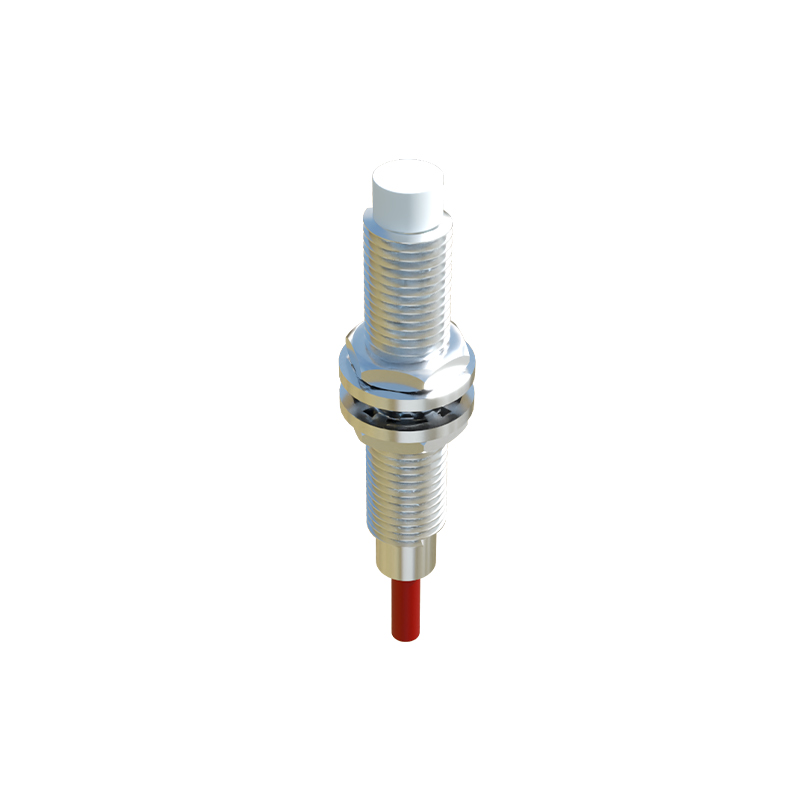
Communication with the VCN42 is established through a standard I2C interface, providing flexibility and ease of integration into various digital systems. The sensor acts as a slave device on the I2C bus. Engineers can configure numerous parameters via the I2C registers to tailor the sensor's behavior to specific application needs. Key configurable settings include the proximity LED current (which directly affects sensing range), the number of pulses per proximity measurement, the gain for the ambient light sensor, and the thresholds for generating interrupts. For instance, increasing the LED current extends the maximum detection range but at the cost of higher power consumption. The interrupt engine can be programmed to trigger when proximity values cross a user-defined upper or lower threshold, or when ambient light levels change beyond a set hysteresis window, minimizing unnecessary host processor polling.
Optical Design Considerations and Layout
Achieving optimal performance from the VCN42 requires careful attention to mechanical and optical integration. The sensor module must be positioned behind a window (typically the device's cover glass). The material of this window is critical; it must have high transmittance in both the infrared spectrum (for the proximity emitter and receiver) and the visible spectrum (for the ambient light sensor). Dark tinted or IR-blocking glass will severely degrade performance. A common challenge is crosstalk, where infrared light from the emitter internally reflects within the device assembly and directly reaches the receiver without an external object present. This can cause false proximity detection. Mitigation strategies include using mechanical baffles, applying infrared-absorbing coatings on internal surfaces, and ensuring a precise seal between the sensor and the cover glass to prevent light leaks. Proper PCB layout, with adequate grounding and decoupling capacitors close to the sensor's power pins, is also essential for stable electrical operation.
Typical Applications in Consumer and Industrial Electronics
The most prevalent application of the VCN42 is in smartphones and tablets for display power management. When a user holds the phone to their ear during a call, the sensor detects the proximity and turns off the display backlight and touchscreen to conserve battery. In industrial HMIs (Human-Machine Interfaces) and kiosks, the sensor can be used to wake the display from a sleep mode when a user approaches, creating an engaging and energy-efficient interaction. It is also found in laptops to enable automatic keyboard backlight dimming based on ambient light, and in IoT devices for touchless gesture control or presence detection. In automotive interiors, similar sensors can control dashboard display brightness based on driving conditions (day/night). The robustness and programmability of the VCN42 make it suitable for these diverse environments.
Performance Optimization and Troubleshooting
Optimizing the VCN42 involves a balance between range, accuracy, and power consumption. Engineers should calibrate the sensor in the final product housing under expected operating conditions. A baseline proximity reading with no object present should be established and subtracted from subsequent measurements to