Introduction to Proximity Switches
Proximity switches are non-contact sensors widely used in industrial automation to detect the presence or absence of objects without physical contact. These devices operate based on electromagnetic, capacitive, or inductive principles, making them ideal for harsh environments where durability and reliability are critical. Inductive proximity switches, for instance, detect metallic objects by generating an electromagnetic field, while capacitive variants can sense both metallic and non-metallic materials. Their ability to function in dusty, wet, or high-vibration settings has made them a staple in manufacturing, robotics, and automotive industries. By providing precise detection, proximity switches enhance safety, efficiency, and automation processes, reducing mechanical wear and maintenance costs.
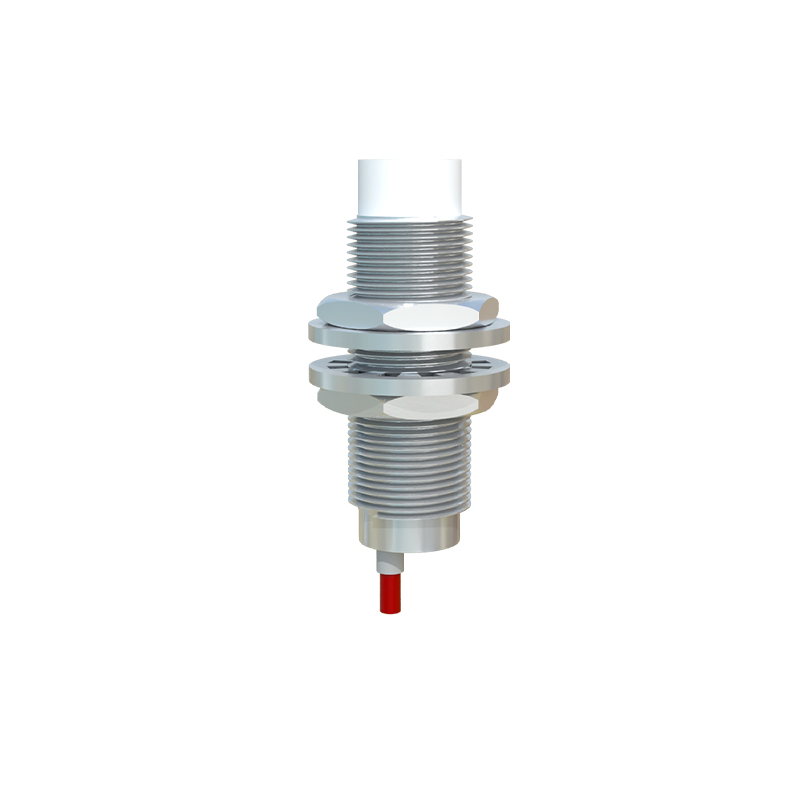
Analog Sensors: Beyond Binary Detection
Unlike standard proximity switches that offer simple on/off outputs, analog sensors provide continuous measurement data, translating physical parameters like distance, pressure, or temperature into variable electrical signals. Common output types include 4-20 mA or 0-10 V, allowing for nuanced monitoring and control. For example, an analog inductive sensor can measure the exact position of a metal object within its range, enabling applications such as level monitoring, thickness gauging, or speed detection. This capability is essential in processes requiring fine-tuned adjustments, such as in CNC machining or conveyor systems, where real-time feedback optimizes performance and minimizes errors.
Key Technologies and Operating Principles
Proximity switches and analog sensors rely on advanced technologies to ensure accuracy. Inductive sensors use coils to create an oscillating field, with changes in damping indicating object presence. Capacitive sensors measure alterations in capacitance caused by material proximity, suitable for liquids or plastics. Hall-effect sensors detect magnetic fields, often used in rotational speed sensing. Analog variants integrate signal conditioning circuits to convert sensor readings into linear outputs, with features like temperature compensation and noise immunity enhancing stability. Understanding these principles helps engineers select the right sensor for specific industrial needs, balancing factors like range, response time, and environmental resistance.
Applications in Modern Industry
In industrial settings, proximity switches and analog sensors serve diverse roles. Proximity switches are commonly employed for object counting, position verification, or safety interlocks in machinery. Analog sensors, on the other hand, enable precise control in automated assembly lines, where they monitor fill levels in tanks or adjust robotic arm movements based on distance feedback. Industries like packaging, pharmaceuticals, and energy rely on these sensors for quality assurance and process optimization. Their integration with PLCs (Programmable Logic Controllers) and IoT systems further enhances data collection and predictive maintenance, driving smart manufacturing initiatives.
Selection Criteria and Installation Tips
Choosing the appropriate sensor involves evaluating factors such as sensing range, material compatibility, output type, and environmental conditions. For proximity switches, consider the target material (e.g., ferrous vs. non-ferrous metals) and required switching frequency. Analog sensors demand attention to linearity, resolution, and signal interference. Installation best practices include proper mounting alignment, avoiding metal interference, and using shielded cables to prevent electromagnetic noise. Regular calibration and maintenance, as per manufacturer guidelines, ensure long-term accuracy and prevent downtime in critical operations.
Future Trends and Innovations
The evolution of proximity switches and analog sensors is shaped by Industry 4.0 trends, including miniaturization, enhanced connectivity, and smart diagnostics. Emerging technologies like IO-Link enable bidirectional communication, allowing sensors to transmit configuration data and health status to control systems. Advances in materials science are improving sensor durability in extreme temperatures or corrosive environments. Additionally, integration with AI and machine learning facilitates predictive analytics, enabling proactive adjustments in automated processes. As industries seek greater efficiency and sustainability, these sensors will continue to play a pivotal role in enabling adaptive, data-driven automation solutions.