Understanding Long-Range Sensing Fundamentals
Photoelectric sensors operate on the principle of converting light signals into electrical signals to detect the presence, absence, or distance of an object. For long-range applications, typically defined as sensing distances exceeding several meters up to hundreds of meters, specific technologies are employed. The core challenge is maintaining a reliable signal over extended distances despite environmental interference like dust, fog, ambient light, and target reflectivity. Unlike standard diffuse sensors, long-range variants often utilize time-of-flight (ToF) or triangulation principles for precise distance measurement, or employ highly collimated light beams in through-beam and retro-reflective modes to minimize beam dispersion and energy loss.
Key Technologies for Extended Reach
Several photoelectric sensor technologies are engineered specifically for long-range operation. Through-beam sensors, featuring separate emitter and receiver units, offer the longest possible range, often exceeding 100 meters, due to the high energy transfer in a direct line. Retro-reflective models, which bounce light off a dedicated reflector, provide a practical solution for ranges up to 30-50 meters, simplifying alignment compared to through-beam. For applications requiring a single-unit sensor, modulated laser diodes in a diffuse or background suppression mode are prevalent. Advanced models use Class 1 or Class 2 laser sources with precise optics to create a very small, intense spot, enabling reliable detection of small objects at distances of 10 meters or more. LiDAR (Light Detection and Ranging), a sophisticated form of ToF sensing, pushes ranges into the kilometer scale for specialized surveying and vehicle automation.
Critical Selection Criteria and Parameters
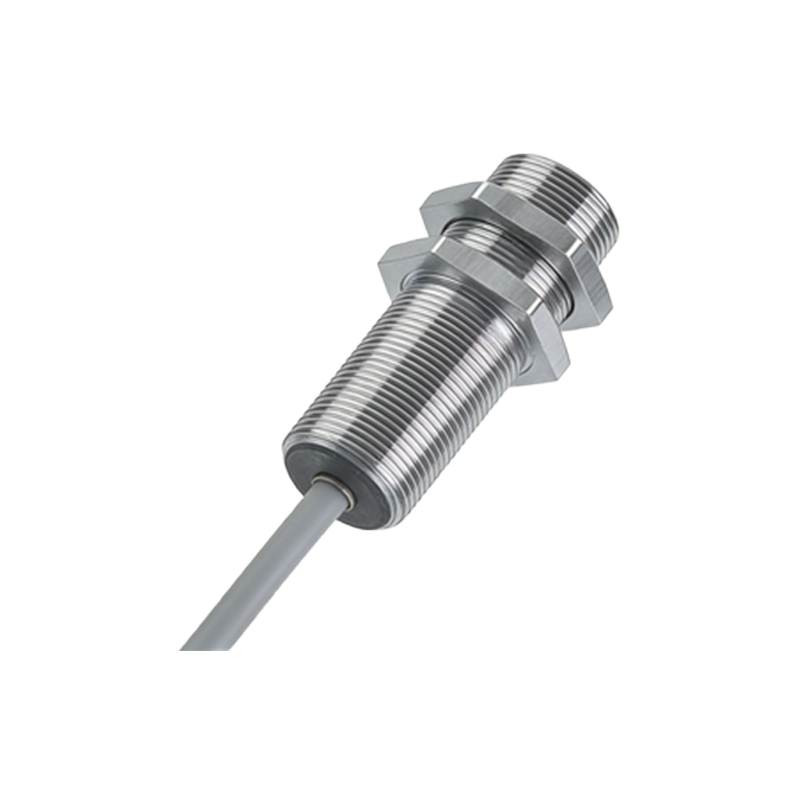
Selecting the appropriate long-range photoelectric sensor requires careful analysis of application parameters. The primary specification is the *sensing distance*, but this must be considered with a *minimum sensing distance* and the influence of the target's size, color, and surface finish. A dark, matte object absorbs light, drastically reducing effective range compared to a shiny, white target. The *light source* is crucial: red LED, infrared LED, or laser. Lasers provide the smallest beam spot and highest intensity for longest range. *Response time* must be fast enough for high-speed applications like conveyor sorting. Environmental ratings for *Ingress Protection (IP)* and *temperature* are vital for outdoor or harsh plant use. Finally, output type (PNP/NPN, analog, IO-Link) and connectivity must integrate with the existing control system.
Overcoming Environmental and Application Challenges
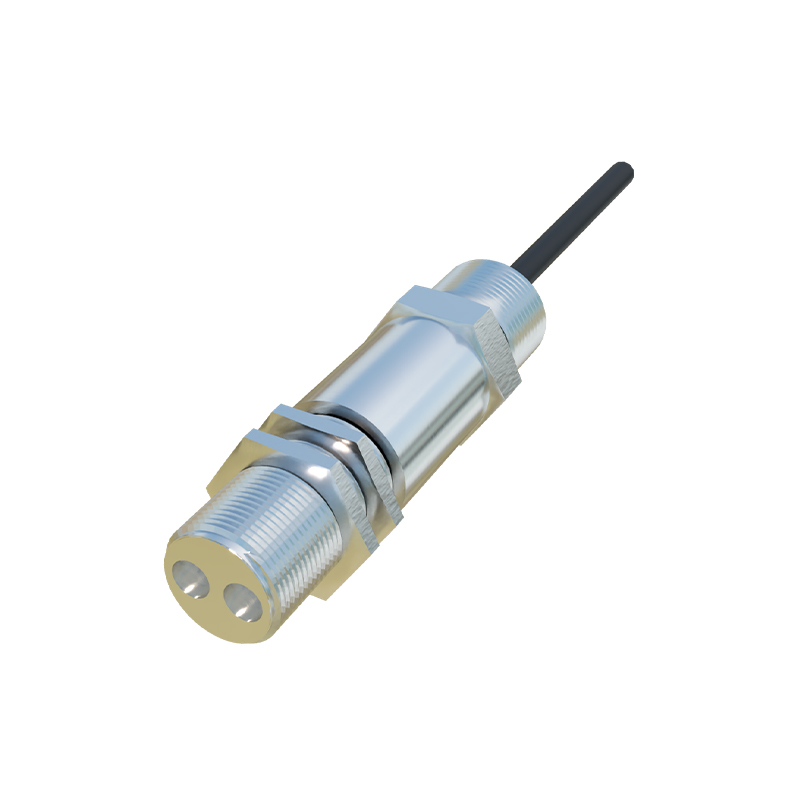
Real-world industrial environments present significant hurdles for long-range photoelectric sensing. Ambient light from sunlight or high-bay lighting can swamp the sensor's receiver. Modern sensors use modulated light at a specific frequency and corresponding synchronous detection to reject ambient noise. Atmospheric conditions like rain, snow, fog, and dust scatter and attenuate the light beam. Choosing a sensor with sufficient excess gain (power reserve) and, in some cases, a specific wavelength less susceptible to scattering (e.g., infrared) is essential. Vibration can misalign sensitive long-range setups, necessitating robust mounting brackets and periodic verification. For detecting transparent objects like glass or plastic, specialized polarized or convergent beam sensors are required to avoid false signals from reflections or beam penetration.
Industrial Applications and Use Cases
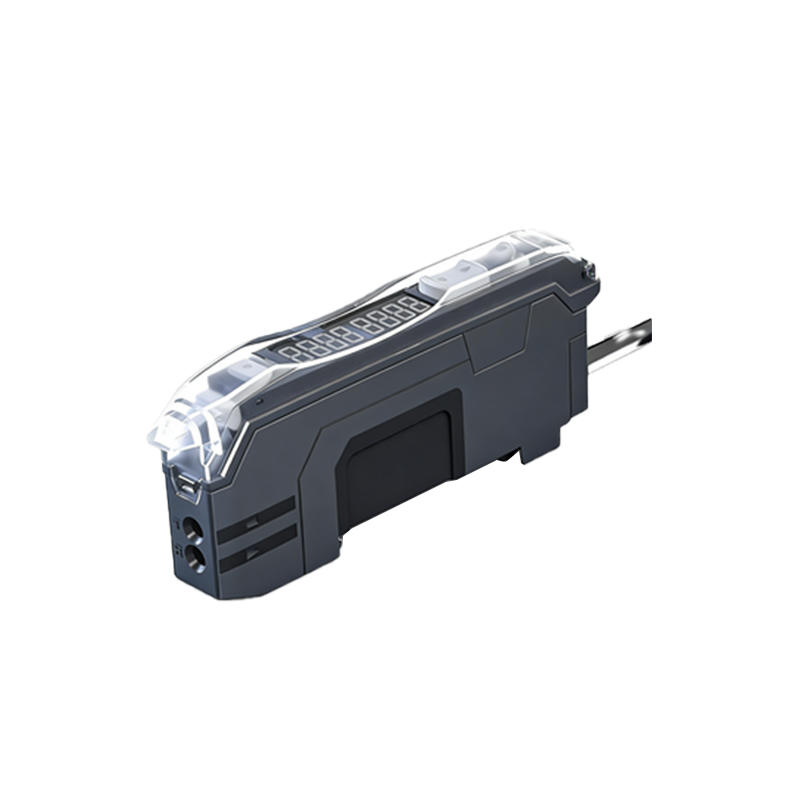
Long-range photoelectric sensors are indispensable across numerous industries. In material handling and logistics, they are used for vehicle detection in automated storage and retrieval systems (AS/RS), package dimensioning on high-speed conveyors, and position feedback on long crane gantries. In the automotive sector, they monitor assembly line skids over large work cells and ensure proper spacing of vehicles in paint shops. Agricultural and forestry machinery uses them for obstacle detection and implement guidance. In bulk material handling, such as mining or aggregates, they monitor stockpile levels and detect oversized rocks on long conveyor runs. Security and perimeter protection systems also rely on long-range infrared beams to create intrusion detection fences.
Installation, Alignment, and Maintenance Best Practices
Proper installation is paramount for reliable long-range sensing. Secure, vibration-dampened mounting is the first step. For through-beam and retro-reflective types, precise alignment is critical; many sensors feature built-in alignment aids like visible laser spots or LED signal strength indicators. The receiver should be positioned to avoid direct exposure to sunrise or sunset. Protective shrouds can shield the lens from accumulation of dirt and moisture. Regular maintenance includes cleaning lenses with appropriate materials to avoid scratches and checking alignment. Implementing sensors with diagnostic capabilities, such as teach-in functions or signal strength monitoring via IO-Link, enables predictive maintenance and rapid troubleshooting, minimizing downtime in critical processes.