Introduction to Outdoor Photoelectric Sensing
Photoelectric sensors have become indispensable in modern industrial automation, and their application is rapidly expanding into challenging outdoor environments. Unlike controlled indoor settings, outdoor deployments expose these devices to a harsh array of environmental factors including extreme temperatures, precipitation, dust, direct sunlight, and mechanical vibrations. The core principle remains the same: a light emitter, typically an LED or laser diode, projects a beam that is either received directly, reflected off a target, or reflected by a background reflector. The receiver detects changes in this light signal to determine the presence, absence, or position of an object. For outdoor use, this fundamental technology must be fortified and adapted to ensure reliability, accuracy, and longevity in the face of nature's unpredictability.
Key Challenges in Outdoor Environments
The primary adversary for any outdoor photoelectric sensor is ambient light, particularly direct sunlight. Sunlight contains a broad spectrum of light and can saturate a sensor's receiver, causing false triggers or a complete failure to detect objects. Precipitation, such as rain, snow, and fog, can scatter or block the light beam. Condensation forming on the lens is another common issue. Temperature extremes, from freezing cold to desert heat, can affect electronic components and mechanical housing. Dust, dirt, and debris can accumulate on lenses, attenuating the light signal. Finally, physical impacts from weather or incidental contact require robust housing. Addressing these challenges is not optional; it is critical for operational success.
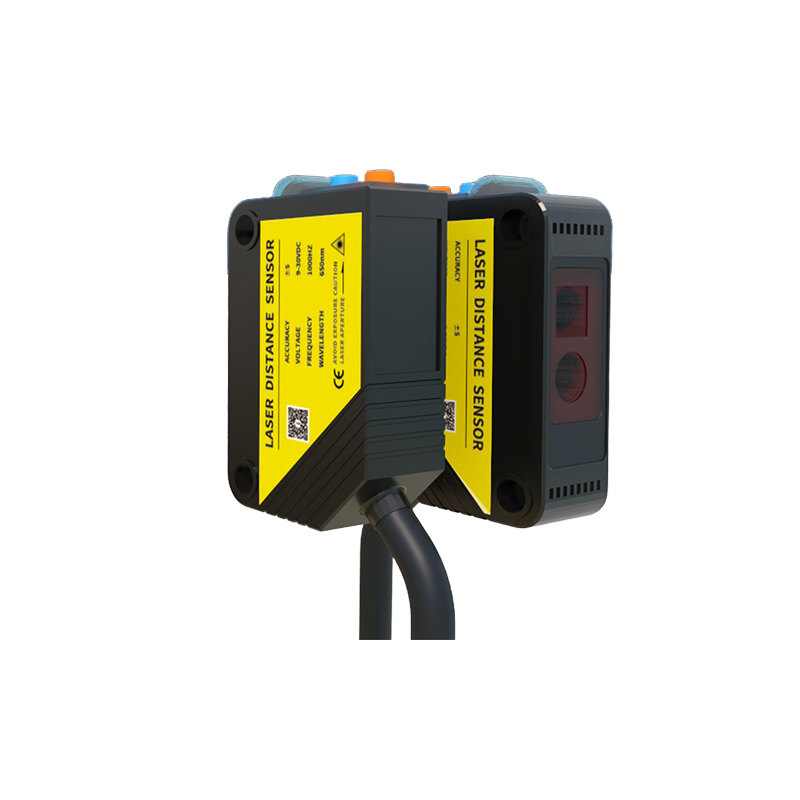
Selecting the Right Sensing Mode
Choosing the appropriate sensing mode is the first critical decision for outdoor success. Through-beam sensors, with separate emitter and receiver units, offer the longest sensing ranges and highest reliability because they rely on the direct interruption of a strong beam. They are excellent for counting vehicles on access roads or detecting large objects on conveyors exposed to weather. However, alignment can be challenging over long distances due to thermal expansion or ground shift. Retro-reflective sensors use a single unit and a reflector, simplifying wiring but are susceptible to false triggers from highly reflective objects like wet surfaces or metal. Diffuse (proximity) sensors, which detect light reflected directly from the target, are most compact but have shorter ranges and are highly influenced by the target's color and reflectivity, making them less common in highly variable outdoor settings.
Essential Protective Features and Housing
To combat environmental factors, outdoor-rated photoelectric sensors incorporate specific protective features. The Ingress Protection (IP) rating is paramount. A rating of IP67 or IP68 is typically required, indicating protection against dust ingress and temporary or prolonged immersion in water. The housing material, often stainless steel (e.g., V4A/AISI 316L) or ruggedized polycarbonate, must resist corrosion, UV radiation, and chemical exposure. Heated lens windows or air purge connections prevent condensation and ice formation. Optical filters and modulated light signals (often in the infrared spectrum) are used to distinguish the sensor's own pulsed light from ambient sunlight. Additionally, robust mounting brackets designed to withstand vibration and wind load are essential components of the system.
Notable Outdoor Application Scenarios
The applications for outdoor photoelectric sensors are vast and varied. In transportation and logistics, they are used for vehicle detection at gate entrances, toll booths, and automated parking systems. They monitor fill levels in outdoor silos and bulk material handling on exposed conveyor belts. In agricultural automation, sensors count produce on sorting lines or control irrigation systems by detecting the presence of equipment. Security systems employ them for perimeter intrusion detection along fences. In renewable energy, they can be part of solar panel tracking systems or monitor the position of wind turbine components. Each application demands a tailored approach to sensor selection, mounting, and protection.
Installation and Maintenance Best Practices
Proper installation is as crucial as selecting the right sensor. Mounting must be secure and stable to prevent misalignment from wind or vibration. The sensor should be positioned, where possible, to avoid direct exposure to the harshest elements—for example, using a protective eave or angling the sensor downward to minimize water pooling on the lens. Conduit and cable glands must also have appropriate IP ratings to protect the electrical connections. Regular maintenance schedules should include visual inspection of the lens for dirt or damage, verification of alignment (especially for through-beam types), and checking the integrity of seals and mounting hardware. A log of environmental conditions and sensor performance can help predict maintenance needs and troubleshoot issues.
Future Trends and Technological Advancements
The future of outdoor photoelectric sensing is driven by increased intelligence and connectivity. Sensors with integrated IO-Link capability can transmit detailed diagnostic data—such as signal strength, temperature, and contamination levels—to a control system, enabling predictive maintenance. Advanced algorithms are improving background suppression and making sensors more immune to environmental optical noise. The development of laser-based sensors with extremely focused beams allows for precise detection over very long ranges, even in adverse weather. Furthermore, the integration of photoelectric sensors into broader Industrial Internet of Things (IIoT) networks is creating smarter, more responsive outdoor automation systems that can adapt to changing conditions in real-time.