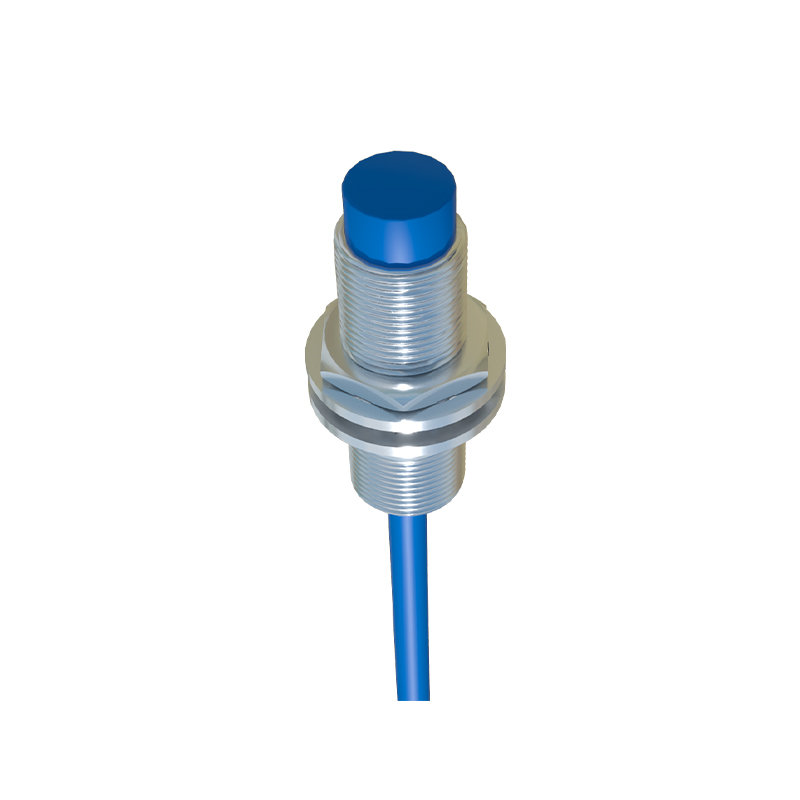
Proximity sensors are a fundamental component in modern automation and electronic systems. These devices detect the presence or absence of an object within a specific range without any physical contact. The operating principle varies significantly depending on the sensor type, each suited for different industrial and consumer applications. The non-contact nature of these sensors offers distinct advantages, including reduced wear and tear, higher reliability, and the ability to detect objects where contact is impossible or undesirable.
Several primary technologies dominate the proximity sensor market. Inductive proximity sensors are among the most common. They generate an electromagnetic field and detect the eddy current losses caused when a metallic target enters this field. These sensors are exceptionally robust, ideal for harsh industrial environments involving machinery, metal fabrication, and automotive assembly lines. They are unaffected by dust, oil, or water splashes, making them a workhorse in factory automation. However, their key limitation is that they only detect metallic objects, primarily ferrous metals like steel and iron, though some models can sense non-ferrous metals like aluminum or copper at a reduced range.
In contrast, capacitive proximity sensors can detect both metallic and non-metallic materials. They function by measuring changes in capacitance. The sensor forms one plate of a capacitor, with the target object acting as the other plate. When any material enters the sensing field, it alters the dielectric constant and thus the capacitance, triggering the sensor. This makes them versatile for detecting liquids, plastics, wood, glass, and even granular materials. Common applications include level detection in tanks or silos, material handling for non-metallic products, and touch-sensitive interfaces. They can be sensitive to environmental factors like humidity and require careful calibration.
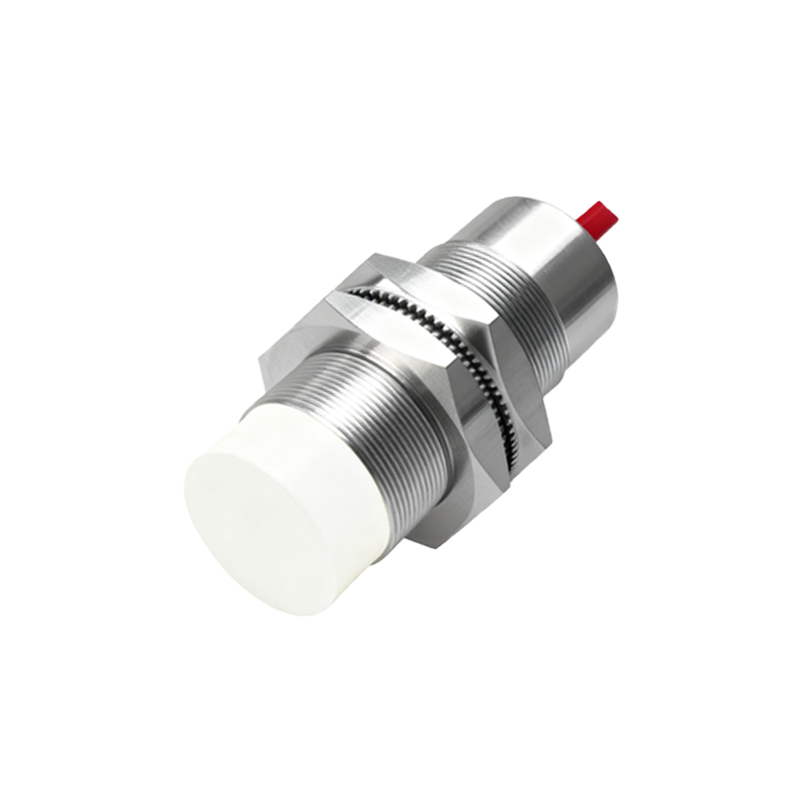
For applications requiring longer sensing distances or detection of any solid object regardless of color or material, photoelectric sensors are the preferred choice. They operate by emitting a beam of light—visible, infrared, or laser—and detecting its reflection or interruption. There are three main configurations: through-beam (separate emitter and receiver), retro-reflective (uses a reflector), and diffuse (reflects off the target itself). Diffuse sensors, often called proximity-mode sensors, are popular for object detection on conveyor belts, packaging lines, and automated guided vehicles (AGVs). They offer good range and precision but can be affected by ambient light, color, and surface reflectivity.
Ultrasonic proximity sensors use sound waves beyond the human hearing range. They emit high-frequency pulses and calculate distance by measuring the time it takes for the echo to return. This technology excels at detecting objects of virtually any material, shape, or color, and is particularly effective for measuring distance, level, and presence in challenging conditions like fog, dust, or where optical methods fail. They are widely used in parking assistance systems, liquid level control, and collision avoidance for robots.
Selecting the right proximity sensor requires a careful analysis of several key parameters. The sensing distance, or nominal range, is critical and must account for a safety factor, typically operating at 70-80% of the rated value. The target material dictates whether inductive, capacitive, or another technology is necessary. Environmental conditions such as temperature extremes, washdown requirements, or exposure to chemicals will determine the needed housing material and ingress protection (IP) rating. Electrical output is another consideration; sensors provide discrete outputs like NPN/PNP or analog signals proportional to distance. Finally, physical characteristics like size, shape (barrel, rectangular), and connection type must fit the mechanical design.
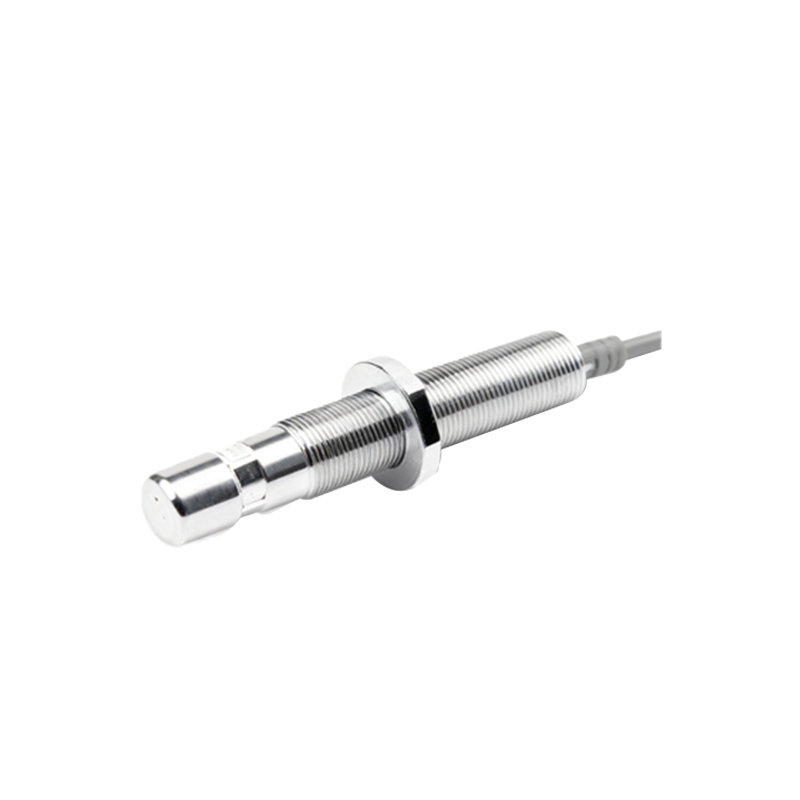
The applications for proximity sensors are vast and continuously expanding. In industrial automation, they provide precise position feedback for cylinders, count products, and ensure machine safety. In consumer electronics, they deactivate smartphone touchscreens during calls and enable touchless faucets. The automotive industry relies on them for gear position sensing, brake pedal position, and parking aids. As Industry 4.0 and the Internet of Things (IoT) advance, smart proximity sensors with integrated diagnostics and communication protocols like IO-Link are becoming standard, providing not just detection data but also health status and parameter configuration remotely.
Understanding the strengths and limitations of each proximity sensor technology is essential for designing efficient, reliable, and cost-effective systems. By matching the sensor's core principle to the application's specific demands for target material, range, environment, and required output, engineers can ensure optimal performance and longevity. The ongoing innovation in miniaturization, sensing accuracy, and connectivity promises to further integrate these versatile devices into the fabric of intelligent systems across all sectors.