Understanding the Core Technology
The price of an anti-interference proximity sensor is fundamentally tied to its underlying technology. These sensors are designed to detect the presence or absence of an object without physical contact, but the "anti-interference" capability adds a significant layer of complexity and cost. This feature is crucial in industrial environments saturated with electromagnetic noise from motors, variable frequency drives (VFDs), welding equipment, and other machinery. Technologies like high-frequency oscillation, capacitive sensing, or magnetic field distortion are employed, but the key differentiator is the embedded signal processing. Advanced sensors incorporate sophisticated filtering algorithms, shielded housings, and robust circuitry to reject common-mode noise and ensure reliable operation. The investment in higher-grade components, such as stable oscillators and noise-immune ASICs (Application-Specific Integrated Circuits), directly influences the unit price. Therefore, a basic inductive sensor might be inexpensive, but its price increases substantially when engineered for high immunity to interference.
Key Factors Influencing Sensor Pricing
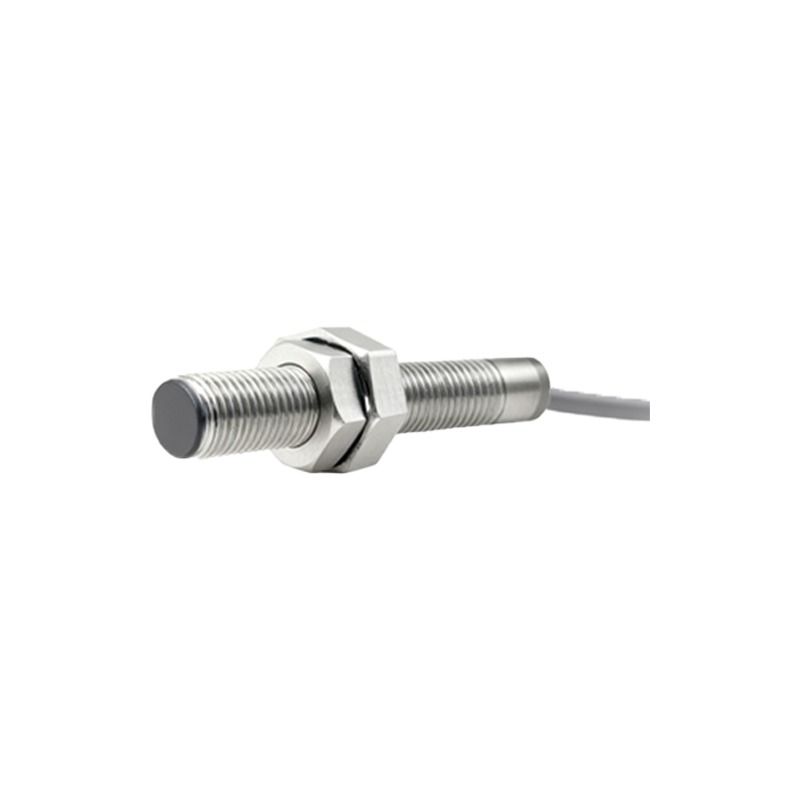
Several critical factors determine the final price point of an anti-interference proximity sensor. First is the sensing range and the target material. Standard inductive sensors for detecting steel are common, but models designed for non-ferrous metals, or those with extended ranges, command a premium. The housing material is another major cost driver. Stainless steel (e.g., V4A/AISI 316L) housings, essential for corrosive or washdown environments, are more expensive than nickel-plated brass or PBT plastic. The protection rating (IP67, IP68, IP69K) also adds cost, correlating with the complexity of sealing. Furthermore, the output type (PNP/NPN, analog, IO-Link) and connection method (pre-wired cable, quick-disconnect) impact price. Finally, brand reputation and certification (UL, CE, ATEX for hazardous areas) contribute to cost, reflecting R&D investment, quality assurance, and liability coverage that cheaper alternatives may lack.
Price Range Analysis and Market Segmentation
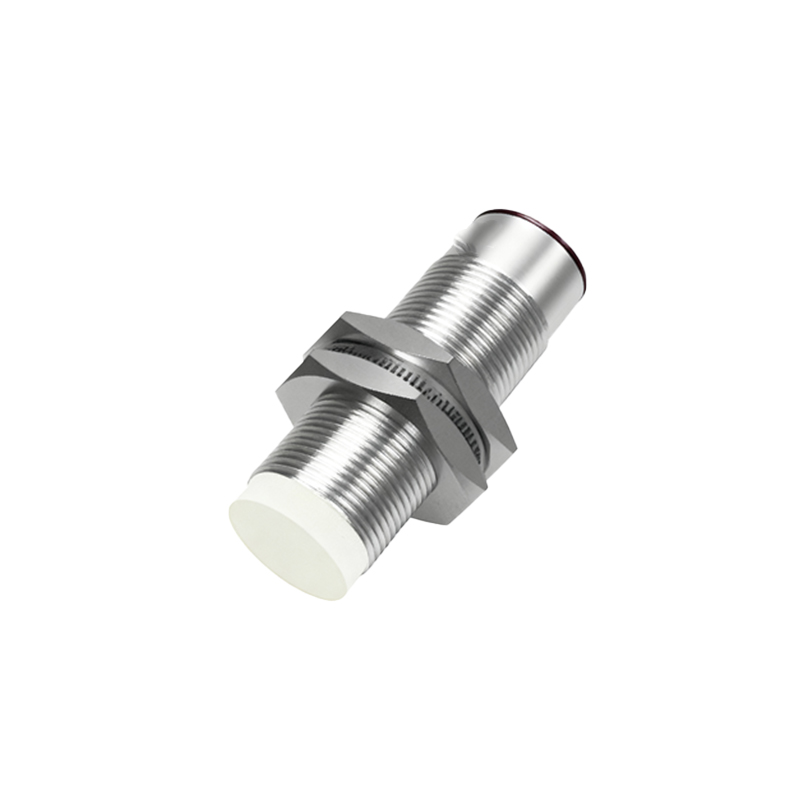
The market for anti-interference proximity sensors is segmented, leading to a broad price spectrum. Entry-level or "standard" sensors with basic noise immunity can range from $20 to $60. These are suitable for light industrial applications with moderate electrical noise. The mid-range segment, priced between $60 and $150, represents the most common choice for serious automation. These sensors offer robust metal housings, high switching frequencies, excellent EMI/RFI immunity, and reliable performance in demanding settings like automotive assembly or packaging lines. High-end or specialized sensors can cost from $150 to over $500. This tier includes factors like ultra-long range, extreme temperature tolerance, intrinsic safety certifications (ATEX, IECEx), or integration with advanced industrial networks like PROFINET or EtherNet/IP. Understanding which segment your application falls into is crucial for budget planning without compromising system integrity.
The True Cost of Ownership: Beyond the Unit Price
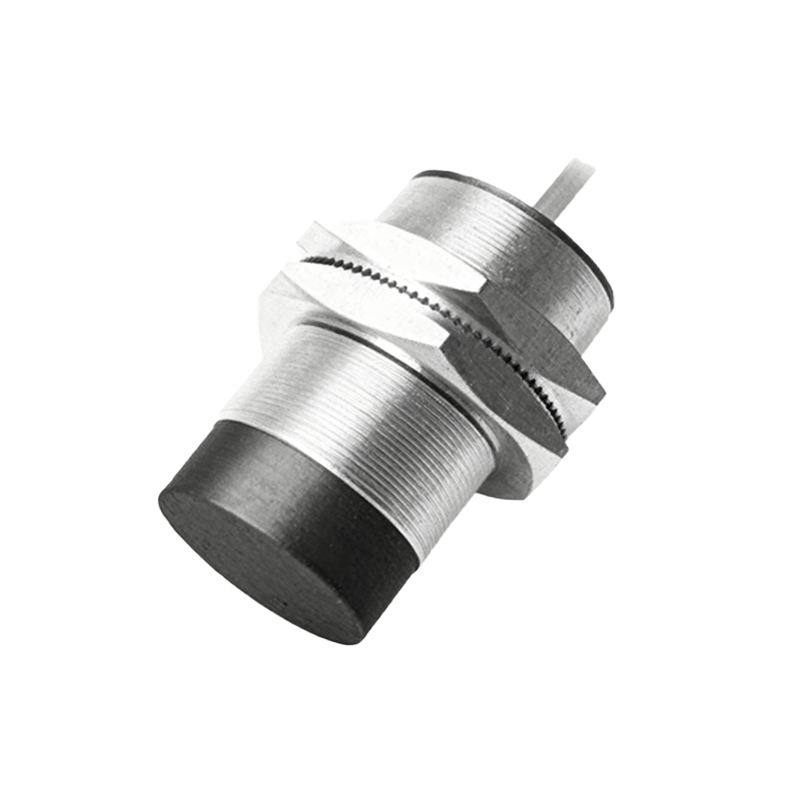
Focusing solely on the purchase price of an anti-interference sensor can be misleading. The Total Cost of Ownership (TCO) provides a more accurate financial picture. A cheaper, less robust sensor may fail prematurely in a noisy environment, leading to costly unplanned downtime, production losses, and emergency replacement fees. A higher-priced, high-immunity sensor minimizes these risks, ensuring continuous operation. Maintenance costs are also lower for quality sensors, as they are less likely to suffer from false triggering or degraded performance. Furthermore, sensors with features like IO-Link can provide predictive maintenance data, reducing troubleshooting time. Installation costs can be influenced by sensor design; a compact, self-contained model might be easier and cheaper to mount than a larger one. Therefore, the initial investment in a superior anti-interference sensor often pays for itself through enhanced reliability and reduced operational expenses.
Procurement Strategies and Best Practices
To make a cost-effective purchase, adopt a strategic approach. First, conduct a thorough application analysis. Precisely define the environmental conditions (noise levels, temperature, contaminants), required sensing distance, target material, and necessary response time. This prevents over-specifying (and overpaying) or under-specifying (leading to failure). Request samples from shortlisted suppliers to test in the actual operating environment before bulk ordering. Evaluate suppliers not just on price, but on technical support, warranty terms, and delivery reliability. Consider standardizing sensor models across a plant to benefit from volume discounts and simplify maintenance. For non-critical applications, a reputable mid-range sensor often offers the best balance of performance and cost. Always remember that in industrial automation, sensor reliability is a cornerstone of productivity, making the investment in proper anti-interference capability a strategic one, not merely an expense.