Introduction to Multi-Function Proximity Sensors
Multi-function proximity sensors are advanced devices designed to detect the presence, absence, or position of objects without physical contact. These sensors operate based on various principles, including inductive, capacitive, ultrasonic, and photoelectric technologies. In industrial automation, they play a critical role in enhancing efficiency, safety, and precision. The national standard models ensure uniformity, reliability, and interoperability across different applications and manufacturers. By adhering to these standards, engineers can select sensors that meet specific operational requirements, such as environmental resistance, detection range, and output configurations. This guide delves into the key aspects of these standardized models, providing insights for professionals in the electrical and automation sectors.

Key Features of National Standard Models
National standard models of multi-function proximity sensors are characterized by their robust construction and versatile functionality. Typically, they feature high immunity to environmental factors like dust, moisture, and electromagnetic interference. Standardized dimensions and mounting options facilitate easy integration into existing systems. These sensors often support multiple output types, including NPN, PNP, analog, and IO-Link, allowing for flexible connectivity with controllers and PLCs. Detection ranges vary from a few millimeters to several meters, depending on the technology used. Additionally, many models incorporate diagnostic LEDs and adjustable sensitivity settings, enabling real-time monitoring and fine-tuning for optimal performance in diverse industrial settings.
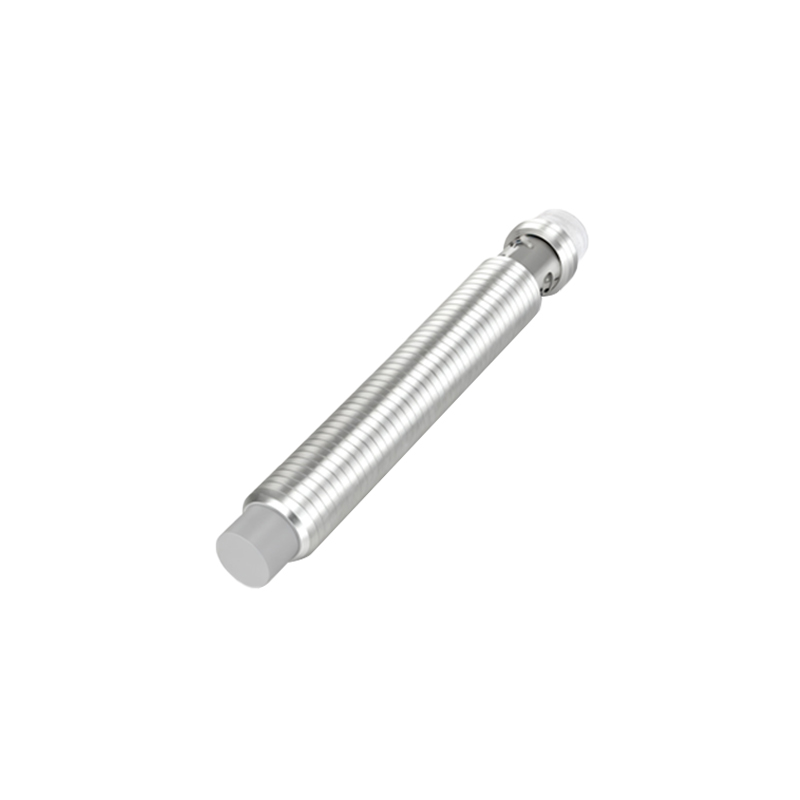
Common Technologies and Applications
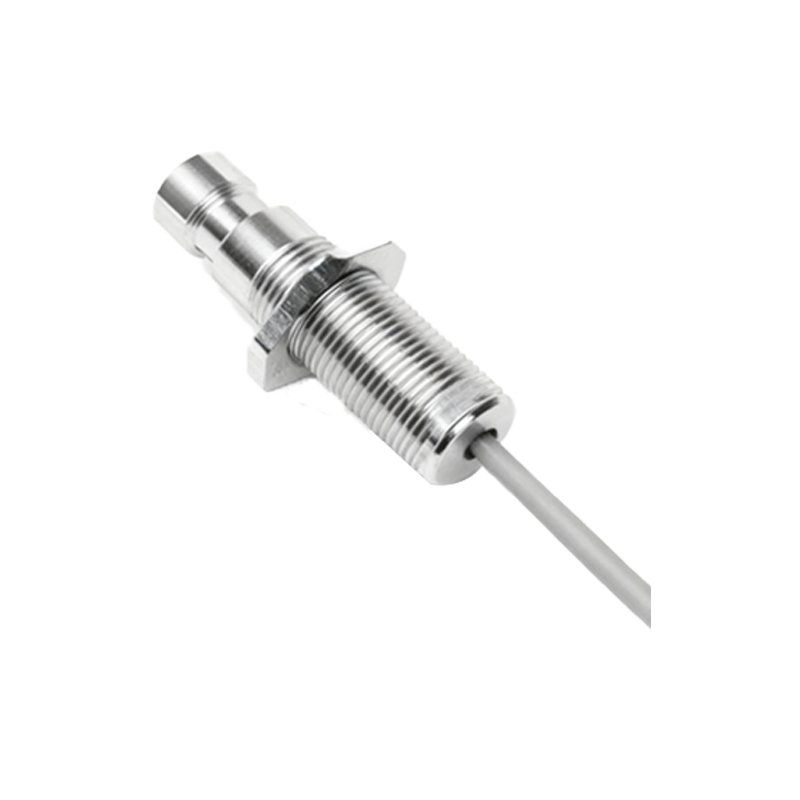
Inductive proximity sensors, compliant with national standards, are widely used for detecting metallic objects in manufacturing lines. Capacitive models excel in sensing non-metallic materials, such as plastics or liquids, making them ideal for packaging and food processing industries. Ultrasonic sensors offer long-range detection and are effective in harsh environments, while photoelectric sensors provide high precision for object counting and positioning tasks. Standardized models ensure that these technologies meet specific criteria for accuracy, response time, and durability. Applications span across automotive assembly, robotics, material handling, and safety systems, where reliable object detection is crucial for operational continuity and hazard prevention.
Compliance and Certification Requirements
Adherence to national standards involves rigorous testing and certification processes. These standards, such as IEC 60947-5-2 for proximity sensors, define parameters like electrical characteristics, environmental ratings, and safety protocols. Certified models must demonstrate compliance with IP (Ingress Protection) ratings for dust and water resistance, as well as temperature tolerance ranges. Electromagnetic compatibility (EMC) testing ensures minimal interference with other equipment. Engineers should verify certifications like CE, UL, or RoHS when selecting sensors, as these indicate conformity with regional and international regulations. Using standardized models reduces risks of malfunctions and enhances system reliability in critical applications.
Selection Criteria for Engineers
Choosing the right multi-function proximity sensor requires careful consideration of several factors. First, assess the detection object's material, size, and movement speed to determine the appropriate technology. Next, evaluate the operating environment, including temperature extremes, exposure to chemicals, or potential mechanical impacts. Standard models offer varying housing materials, such as stainless steel or plastic, to suit different conditions. Output requirements should align with the control system's input specifications. Additionally, consider installation space and mounting style, as standardized dimensions ensure compatibility. Consulting manufacturer datasheets and national standard guidelines can aid in selecting models that balance performance, cost, and longevity for specific projects.
Future Trends and Innovations
The evolution of multi-function proximity sensors is driven by advancements in smart manufacturing and Industry 4.0. National standard models are increasingly incorporating IoT capabilities, enabling wireless communication and data analytics for predictive maintenance. Miniaturization trends allow for smaller sensors with enhanced detection ranges, while energy-efficient designs reduce power consumption. Innovations in materials science improve durability in extreme conditions. Standardization bodies are updating guidelines to accommodate these developments, ensuring interoperability in interconnected systems. As automation becomes more pervasive, the demand for versatile, standardized sensors will grow, emphasizing the need for continuous innovation and adherence to evolving national standards.