Inductive sensors, often referred to as proximity sensors, are fundamental components in the world of industrial automation. Their core operating principle is elegantly simple: they generate an electromagnetic field and detect changes in that field caused by the presence of a metallic target object. This non-contact detection method makes them exceptionally robust, reliable, and suitable for harsh environments where dirt, dust, oil, and moisture are prevalent. Unlike optical or capacitive sensors, inductive sensors specifically detect metals, primarily ferrous metals like steel and iron, though many modern versions can also sense non-ferrous metals like aluminum, copper, and brass with adjusted sensing ranges.
The uses of inductive sensors span virtually every sector of manufacturing and machinery. One of the most common applications is position sensing. They are deployed to verify the presence or absence of a metal part on a conveyor line, confirm the end position of a cylinder piston in pneumatic or hydraulic systems, and detect the passage of gear teeth or holes in rotating discs for speed and rotational monitoring. This provides critical feedback to Programmable Logic Controllers (PLCs) for sequencing and control.
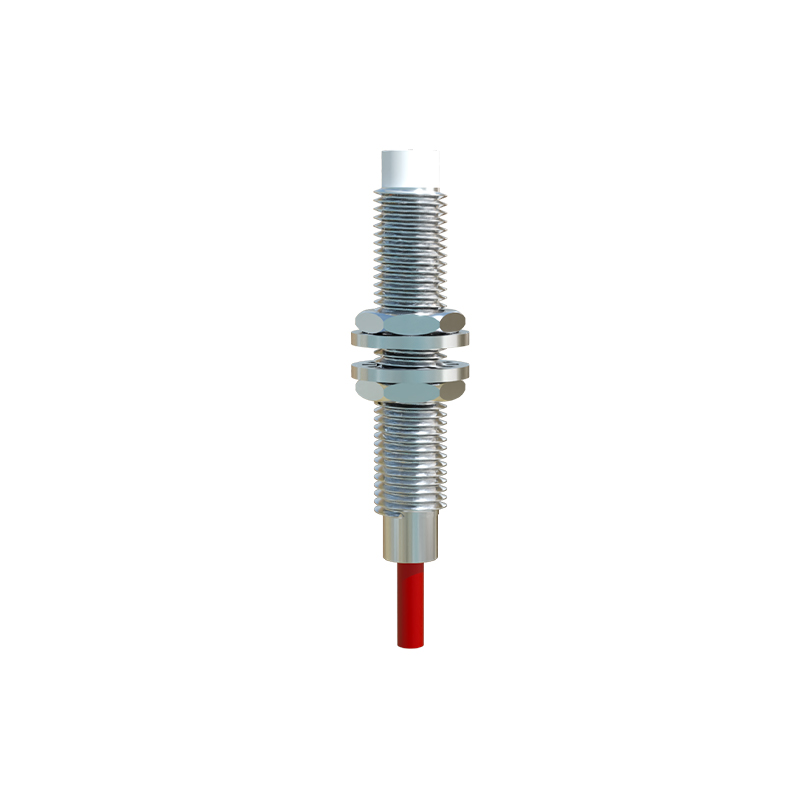
In machine safety, inductive sensors play a pivotal role. They are used as non-contact limit switches to ensure machine guards are securely closed before operation commences, preventing accidents. Their durability makes them ideal for this task, as they are not affected by accumulated grime. Furthermore, in automated assembly and robotics, these sensors are indispensable for precise object counting and position verification of metal components before a welding, riveting, or painting operation, ensuring process quality and reducing waste.
Another significant area is speed and motion control. By monitoring the rotation of a metallic encoder wheel or the teeth of a gear, inductive sensors provide vital tachometer feedback for motor speed regulation. They can detect under-speed or over-speed conditions, triggering alarms or corrective actions to protect machinery. In the automotive industry, they are ubiquitous, used on production lines for part positioning and within vehicles themselves, such as in anti-lock braking systems (ABS) to measure wheel speed.
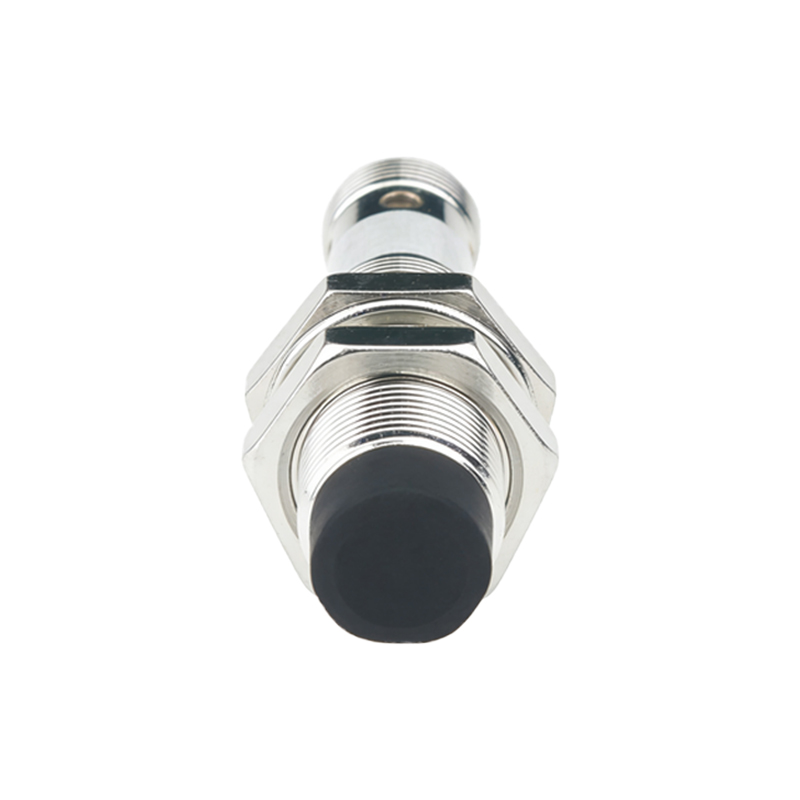
The material handling and packaging industries rely heavily on inductive sensors for their robustness. They control the sorting of metal cans or containers, detect metal labels or foils on packaging, and manage palletizing systems. Their insensitivity to most environmental contaminants means they continue to function reliably where other sensor types might fail.
Modern advancements have expanded their utility further. Factor 1 cylindrical sensors remain the workhorse for general purposes. Factor 1 designs, with their rectangular shape, allow for flush mounting in tight spaces. Analog inductive sensors go beyond simple on/off detection, providing a continuous output signal proportional to the distance to the target. This is used for precise gap monitoring, vibration measurement, or checking the thickness of metal sheets. Weld-field immune models are specially designed to withstand the intense electromagnetic interference generated by resistance welding equipment, a critical need in automotive body shops.
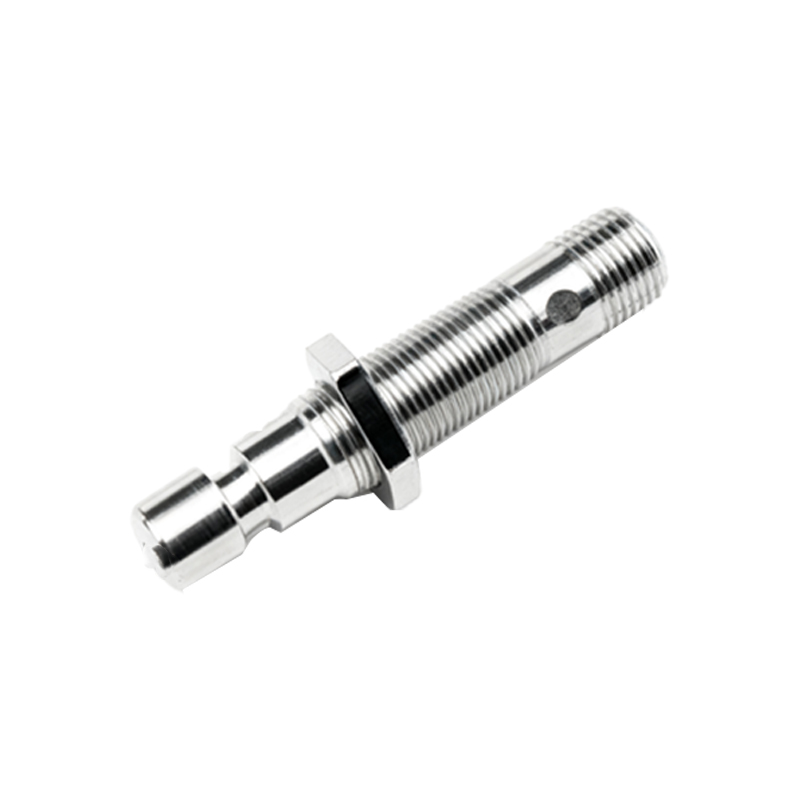
When selecting an inductive sensor, key specifications include sensing distance, the target material (steel, aluminum, etc.), output type (PNP/NPN, NO/NC), housing material (often stainless steel or nickel-plated brass), and environmental protection ratings like IP67 or IP69K for washdown areas. Proper installation is also crucial; maintaining the correct mounting distance and ensuring the target approaches the sensor's active face correctly optimizes performance and longevity.
In summary, the uses of inductive sensors are foundational to industrial automation. From simple part detection on a fast-moving conveyor to complex analog feedback in precision machinery, their ability to provide reliable, non-contact sensing of metal objects in tough conditions makes them an irreplaceable tool. As industries continue to evolve towards smarter, more connected systems (Industry 4.0), the inductive sensor remains a critical physical layer component, feeding accurate data about the physical world into digital control systems, driving efficiency, safety, and productivity.