Introduction to Proximity Light Sensors
Proximity light sensors are integral components in modern electronic devices, particularly smartphones like the 12pm. These sensors detect the presence of nearby objects without physical contact, primarily to manage screen functionality during calls or interactions. In the 12pm, the sensor utilizes infrared (IR) technology to emit light and measure reflections, ensuring efficient power usage and enhanced user experience. Understanding its operation is crucial for engineers involved in device testing and troubleshooting, as it impacts overall performance and reliability.
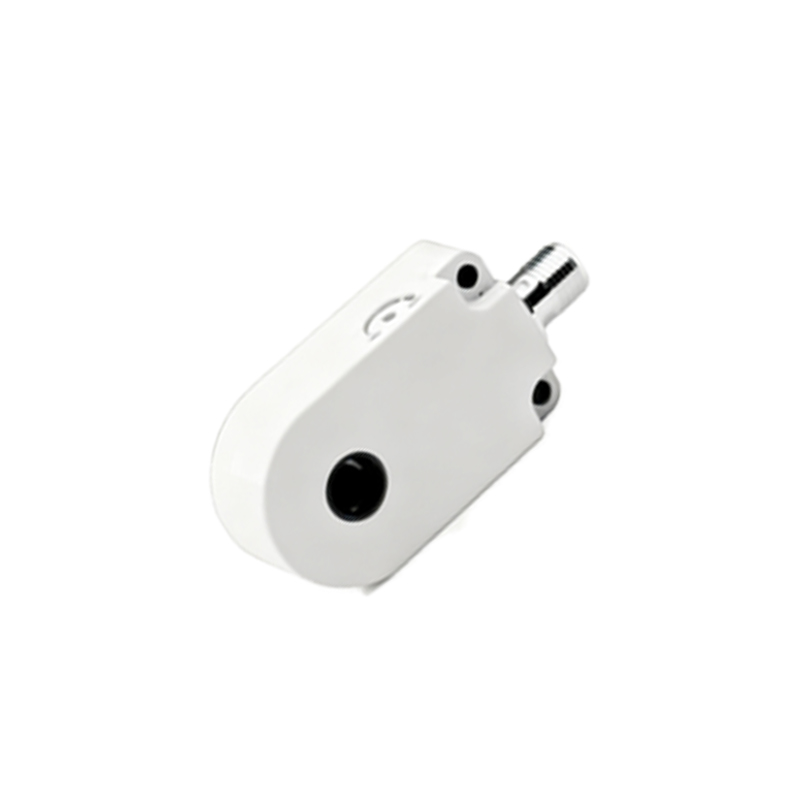
Working Principles of the 12pm Sensor
The 12pm proximity light sensor operates based on IR emission and reception. It consists of an IR LED that emits light and a photodetector that captures reflected signals. When an object, such as a user's face during a call, approaches the device, the sensor detects changes in light intensity. This triggers the system to turn off the display, preventing accidental touches and conserving battery life. The sensor's design incorporates ambient light compensation to avoid false triggers, making it highly accurate in various lighting conditions. Engineers must consider factors like sensor calibration and environmental interference during detection processes.
Detection Methods and Tools
To detect and analyze the 12pm proximity light sensor, engineers employ specialized tools and software. Common methods include using multimeters to check electrical continuity, oscilloscopes to monitor signal waveforms, and diagnostic apps to run functional tests. In production lines, automated test equipment (ATE) verifies sensor responsiveness by simulating proximity scenarios. Key parameters assessed include response time, sensitivity thresholds, and error rates. Regular detection ensures compliance with industry standards, such as those set by IEEE, and helps identify issues like sensor drift or hardware failures early in the development cycle.
Common Issues and Troubleshooting
Despite their reliability, 12pm proximity light sensors can encounter problems. Frequent issues include false positives, where the screen turns off unexpectedly, or failures to detect objects, leading to unresponsive displays. Troubleshooting involves checking for physical obstructions, such as dirt on the sensor lens, or software glitches in the operating system. Engineers may recalibrate the sensor using manufacturer-provided tools or replace components if hardware damage is detected. Documenting these cases aids in improving future designs and reducing warranty claims, emphasizing the importance of thorough testing protocols.
Industry Applications and Future Trends
Beyond smartphones, proximity light sensors are used in automotive systems for gesture control, industrial automation for object detection, and healthcare devices for non-contact monitoring. The 12pm sensor exemplifies advancements in miniaturization and energy efficiency. Future trends may involve integration with AI for predictive behavior analysis or enhanced materials for better durability. Engineers should stay updated on innovations like LiDAR integration, which could expand sensor capabilities in augmented reality (AR) environments. Continuous research and development in this field drive technological progress and market competitiveness.
Best Practices for Sensor Maintenance
Maintaining the 12pm proximity light sensor involves regular cleaning of the device surface to prevent blockages and software updates to optimize performance. Engineers recommend avoiding exposure to extreme temperatures or moisture, which can degrade sensor components. In manufacturing, quality control checks should include stress testing under varied conditions to ensure longevity. Users can benefit from simple tips, like keeping screen protectors aligned with sensor cutouts. Adhering to these practices extends device lifespan and maintains optimal functionality, supporting sustainable electronics management.