Introduction to False Triggering Phenomena
False triggering, or nuisance tripping, in photoelectric sensors is a prevalent and costly issue in industrial automation. It refers to the sensor incorrectly signaling the presence or absence of a target object. This malfunction can lead to production line stoppages, defective products, and significant downtime. The core principle of a photoelectric sensor involves emitting a light beam—typically infrared, visible red, or laser—and detecting changes in the received light to determine an object's presence. When this detection logic is disrupted by external or internal factors, false operations occur. Understanding the root causes is the first critical step toward achieving reliable sensing and maintaining operational continuity in demanding environments.
Common Causes of False Triggers
Several factors can interfere with a photoelectric sensor's reliable operation. Ambient light is a primary culprit, especially from high-intensity sources like sunlight, welding arcs, or strobe lights, which can flood the receiver and mimic a received signal. Optical interference, such as dust, steam, oil mist, or reflective surfaces near the sensing path, can scatter or reflect the beam, causing false readings. Electrical noise from nearby motors, variable frequency drives (VFDs), or power lines can induce spurious signals in the sensor's circuitry. Improper installation, including misalignment, vibration, or insecure mounting, can physically alter the beam path. Finally, sensor degradation over time, like lens contamination or LED output decay, reduces signal integrity and increases susceptibility to false triggers.
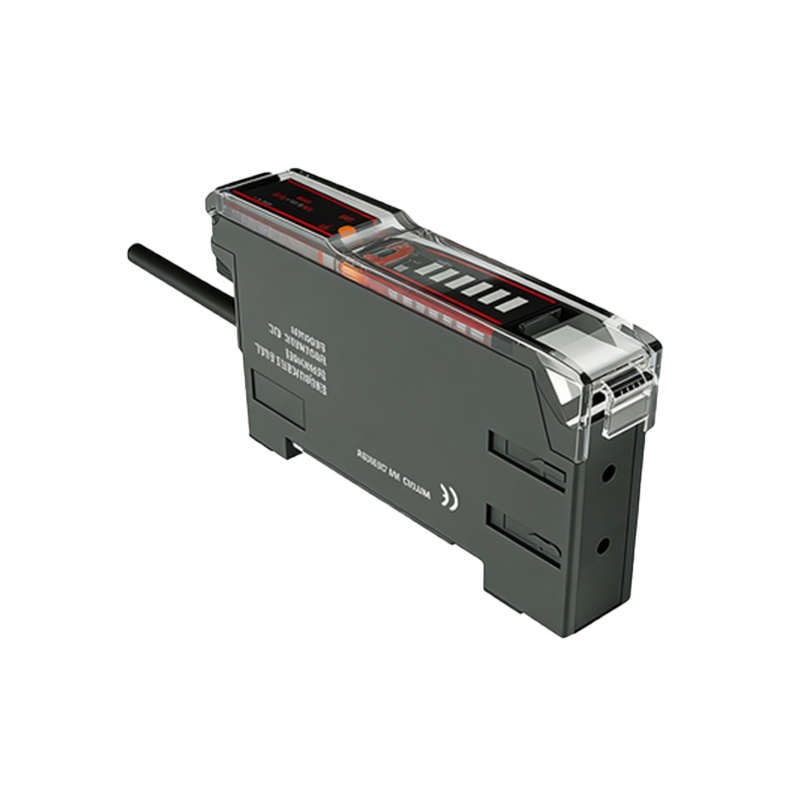
Selecting the Right Sensor for the Environment
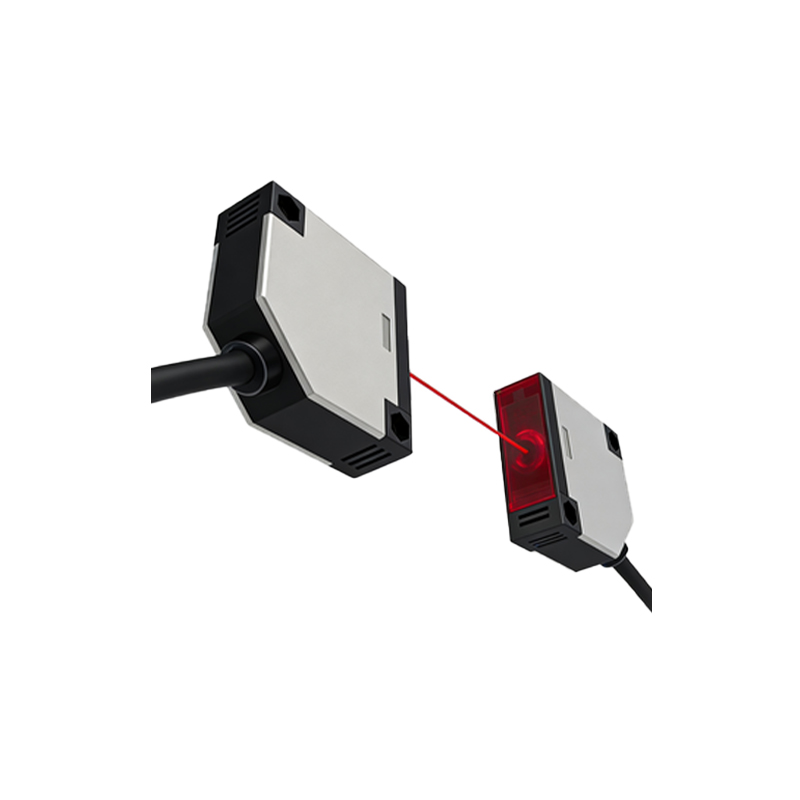
Prevention begins with proper sensor selection. For environments with high ambient light, choose sensors with modulated LED light (often pulsed) and a synchronous detection circuit, which only recognizes its specific modulated signal, effectively rejecting constant ambient light. In dusty or foggy conditions, sensors with a high IP rating for ingress protection and a strong, focused beam (like a laser sensor) are preferable. For highly reflective backgrounds or detecting shiny objects, consider diffuse sensors with background suppression or true background suppression technology, which can precisely define a sensing window. Retro-reflective sensors with polarization filters can distinguish a genuine reflector from other shiny surfaces. Always consult the sensor's datasheet for its specific immunity ratings against light and electrical noise.
Optical Path and Installation Best Practices
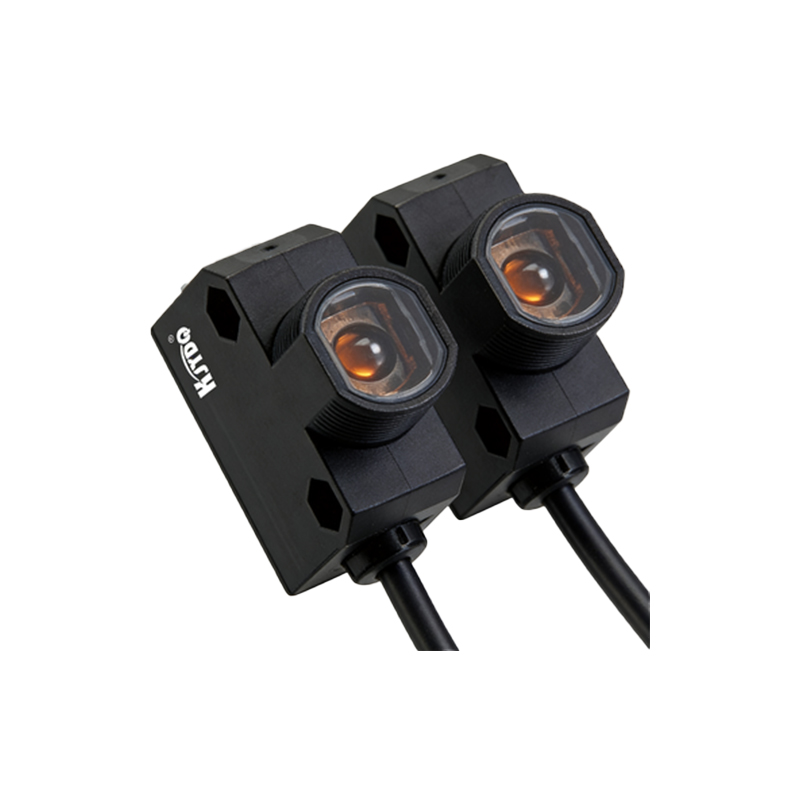
Correct installation is paramount. Ensure precise alignment for through-beam and retro-reflective types; even a slight misalignment can drastically reduce signal strength. Use mounting brackets designed to minimize vibration. Position the sensor to avoid direct exposure to ambient light sources; using physical shrouds or tubes can protect the lens. Angle the sensor slightly to avoid perpendicular reflections from non-target surfaces back into the receiver. Keep the optical path clear of accumulative contaminants like dust or condensation; regular cleaning schedules are essential. For through-beam sensors, ensure the emitter and receiver are securely fastened to prevent movement from thermal expansion or vibration.
Electrical Noise Mitigation Strategies
Electrical noise can be mitigated through proper wiring and grounding practices. Always use shielded cables for sensor connections, and ground the shield at the controller end only to prevent ground loops. Keep sensor cables away from high-voltage power lines and noise-generating equipment like large motors or VFDs. If possible, use separate conduits for power and signal cables. Employing sensors with robust electrical noise immunity specifications is crucial. In extreme cases, installing noise filters on the power supply line to the sensor or using an isolating transformer can provide additional protection. Ensuring a stable, clean power supply within the sensor's specified voltage range is a fundamental requirement.
Configuration and Sensitivity Adjustment
Modern photoelectric sensors offer configurable parameters that are key to stability. The sensitivity or gain setting should be adjusted carefully. Set it high enough to reliably detect the target but low enough to ignore small interferences like dust or minor vibrations. Many sensors feature a "teach-in" function or a stability indicator (like an LED signal strength bar) to aid in optimal setup. Utilize built-in timers, such as ON-delay or OFF-delay, to debounce the signal. This means the output only changes state if the detected condition persists for a set duration, effectively filtering out transient glitches caused by fast-moving debris or electrical spikes.
Routine Maintenance and Diagnostics
A proactive maintenance schedule prevents degradation-related false triggers. Regularly clean the sensor lens with appropriate materials to remove oil, dust, and grime. Inspect for physical damage to the housing or cable. Monitor the sensor's performance; some models have diagnostic outputs or LEDs that indicate received light intensity, helping identify weakening signals before they cause failures. Periodically verify alignment and mounting stability. Keeping a log of environmental changes or new equipment installations near sensors can help correlate and troubleshoot new sources of interference.
Conclusion: A Systematic Approach to Reliability
Eliminating false triggers in photoelectric sensors is not about finding a single solution but implementing a systematic approach. It encompasses informed sensor selection based on the application environment, meticulous installation following best practices, diligent electrical noise suppression, precise configuration, and consistent maintenance. By addressing the issue from these multiple angles, engineers and maintenance personnel can significantly enhance system reliability, reduce costly downtime, and ensure the smooth, uninterrupted flow of automated processes. Investing time in proper setup and understanding is far more economical than dealing with the consequences of unpredictable sensor failures.