Introduction to Photoelectric Sensor Construction
The core functionality of a photoelectric sensor hinges on the precise interaction between emitted light and a target object. This interaction is facilitated by a sophisticated assembly of materials, each selected for its specific optical, electrical, and mechanical properties. The choice of materials directly impacts the sensor's performance, including its sensing range, accuracy, response speed, environmental durability, and longevity. From the light-emitting element to the protective housing, every component is a product of deliberate material science. Understanding these materials is crucial for engineers specifying, integrating, and maintaining these ubiquitous industrial devices. This guide delves into the key materials that constitute modern photoelectric sensors, explaining their roles and the rationale behind their selection.
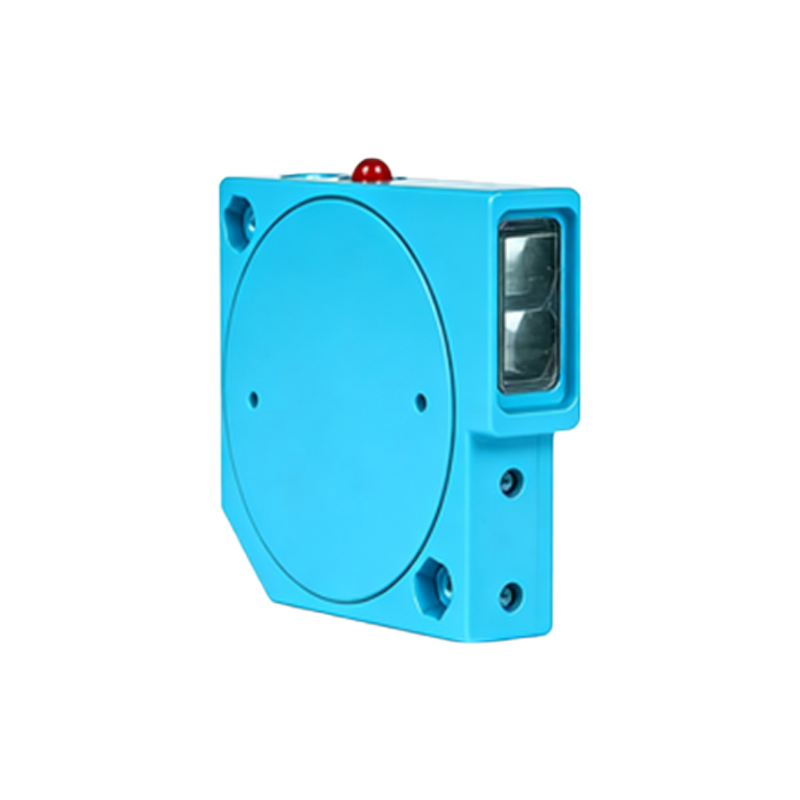
Light Emitting Diodes (LEDs) and Laser Diodes
The light source is the heart of a photoelectric sensor. For decades, Light Emitting Diodes (LEDs) have been the standard. The semiconductor material of the LED chip determines the wavelength of the emitted light. Common materials include Gallium Arsenide (GaAs) for infrared (IR) LEDs, Gallium Aluminum Arsenide (GaAlAs) for visible red LEDs, and Gallium Nitride (GaN) for high-intensity blue and, when combined with phosphors, white LEDs. IR LEDs are prevalent due to their insensitivity to ambient visible light and good signal-to-noise ratio. For applications requiring a highly focused beam, long sensing distances, or precise positioning, Laser Diodes are employed. These are typically constructed from materials like Gallium Arsenide (GaAs) or Indium Gallium Arsenide (InGaAs), producing a coherent, monochromatic light beam. The choice between LED and laser diode materials balances factors such as cost, power consumption, eye safety regulations (especially for lasers), and the required beam characteristics.
Photodetector Components
On the receiving end, the photodetector converts incoming light back into an electrical signal. The material of the photodetector must be sensitive to the specific wavelength emitted by the source. For sensors using infrared or visible red light, Silicon (Si) photodiodes or phototransistors are almost universally used. Silicon is cost-effective, reliable, and has excellent responsivity in the 400nm to 1100nm range. For specialized applications involving longer wavelengths, such as in certain fiber-optic sensors or thermal sensing, materials like Germanium (Ge) or Indium Gallium Arsenide (InGaAs) are utilized. These compound semiconductors offer sensitivity in the near-infrared to short-wave infrared spectrum. The photodetector is often paired with optical filters, made from dyed glass or coated polymers, to block unwanted ambient light and improve signal integrity.
Optical Lenses and Windows
The path of light is carefully controlled by optical components. Lenses, used to collimate (make parallel) or focus the light beam, are primarily made from optical-grade plastics like Polycarbonate (PC) or Polymethyl Methacrylate (PMMA/Acrylic). These materials are chosen for their good light transmittance, moldability into complex shapes, and impact resistance. For high-precision or high-temperature applications, glass lenses made from Borosilicate or other specialty optical glasses are employed. The sensor's front window, which protects the internal electronics, is typically made from durable, scratch-resistant materials. Tempered glass is common for harsh environments, while polycarbonate is favored for its toughness and lower cost. These windows may also have coatings to resist chemicals, prevent fogging, or filter specific light wavelengths.
Housing and Structural Materials
The sensor housing must provide robust mechanical protection, environmental sealing, and sometimes electromagnetic shielding. The most prevalent material for sensor bodies is engineering thermoplastics. Polybutylene Terephthalate (PBT), often glass-fiber reinforced, is a top choice due to its excellent dimensional stability, high heat resistance, good chemical resistance, and flame-retardant properties. Polyamide (Nylon) is another common option, prized for its toughness and wear resistance. For metal-housed sensors, particularly those requiring extreme durability or acting as a heat sink for high-power components, die-cast aluminum alloys or stainless steel (e.g., SUS304) are used. These metals offer superior strength, EMI/RFI shielding, and corrosion resistance. Seals and gaskets, critical for achieving Ingress Protection (IP) ratings, are made from elastomers like Silicone or Nitrile rubber, which maintain flexibility and sealing capability across a wide temperature range.
Internal Circuitry and Connections
Inside the housing, a printed circuit board (PCB) hosts the sensor's electronic brain. The PCB substrate is typically FR-4, a glass-reinforced epoxy laminate, valued for its electrical insulation and mechanical strength. Surface-mounted components, including the LED driver IC, amplifier, microprocessor, and communication chips, are built on semiconductor materials like Silicon. Electrical connections from the PCB to the external world are made via wires, terminals, or connectors. Wire insulation is often made from Polyvinyl Chloride (PVC) or cross-linked Polyethylene (XLPE). For connectors, housings are made from PBT or Polyamide, with pins and sockets fabricated from brass or phosphor bronze, often plated with gold or tin for reliable conductivity and corrosion resistance.
Material Selection for Harsh Environments
Industrial environments can be punishing. Sensors deployed in washdown areas (food & beverage, pharmaceuticals) frequently feature housings made from FDA-compliant stainless steel (SUS316L) and seals made from FDA-grade silicone or EPDM. The front window in such sensors is often chemically strengthened glass. For applications involving exposure to oils, solvents, or aggressive chemicals, housing materials like Polyphenylene Sulfide (PPS) or PVDF (Polyvinylidene Fluoride) are selected for their exceptional chemical inertness. In high-temperature settings, materials must withstand thermal stress; here, high-temperature thermoplastics (e.g., PEEK) or ceramic-filled composites may be used for critical components to prevent deformation or failure.
Conclusion: The Synergy of Materials
A photoelectric sensor is a testament to material synergy. The semiconductor physics of GaAs for emission, the photoelectric effect in Silicon for detection, the optical clarity of PMMA for beam shaping, the ruggedness of PBT for protection, and the resilience of silicone for sealing—all work in concert. Advancements in material science, such as the development of more efficient LED compounds or tougher, chemically resistant polymers, continuously push the boundaries of sensor capability. For the engineering professional, a deep understanding of these materials is not merely academic; it is essential for selecting the right sensor for the application, ensuring system reliability, and troubleshooting performance issues in the field. The right material in the right place defines the difference between a sensor that fails and one that endures.