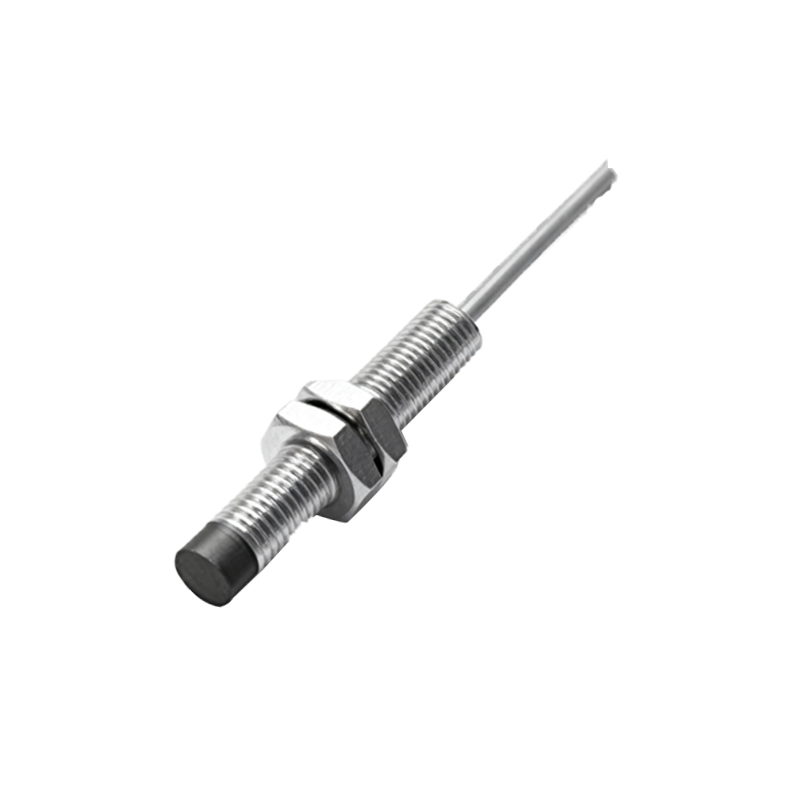
In industrial automation, scientific research, and various outdoor applications, the ability to detect objects and measure distances reliably under extreme cold is not just an advantage—it's a necessity. This is where low temperature proximity sensors come into play, engineered specifically to maintain precision and functionality where conventional sensors would fail. These specialized devices are critical components in environments ranging from polar research stations and cryogenic storage facilities to frozen food processing lines and aerospace systems.
The core challenge in cold environments is the fundamental behavior of materials and electronics. Standard sensors experience significant performance degradation as temperatures drop. Key issues include the thickening of lubricants, embrittlement of materials, contraction of metal components leading to calibration drift, and severe impacts on electronic component performance, particularly battery life and display functionality. Low temperature proximity sensors are designed from the ground up to counteract these effects. They utilize components rated for extreme cold, such as specialized semiconductors, low-temperature elastomers for seals, and housing materials like certain stainless steels or engineered polymers that resist brittleness.
Several sensing technologies are adapted for low-temperature operation. Inductive proximity sensors, which detect metallic objects, are common. Their low-temperature variants feature coils wound with fine-gauge wire that maintains conductivity and coil-form integrity, and oscillator circuits designed for stable frequency in the cold. Capacitive sensors, used for detecting non-metallic materials like ice, plastic, or wood, require stable dielectric properties in their sensing face and internal circuitry, often achieved through material selection and circuit compensation. Ultrasonic sensors, which measure distance using sound waves, face the challenge of changing sound speed with temperature; advanced models incorporate temperature sensors to automatically adjust calculations, ensuring accurate readings from -40°C down to -100°C or lower in specialized units.
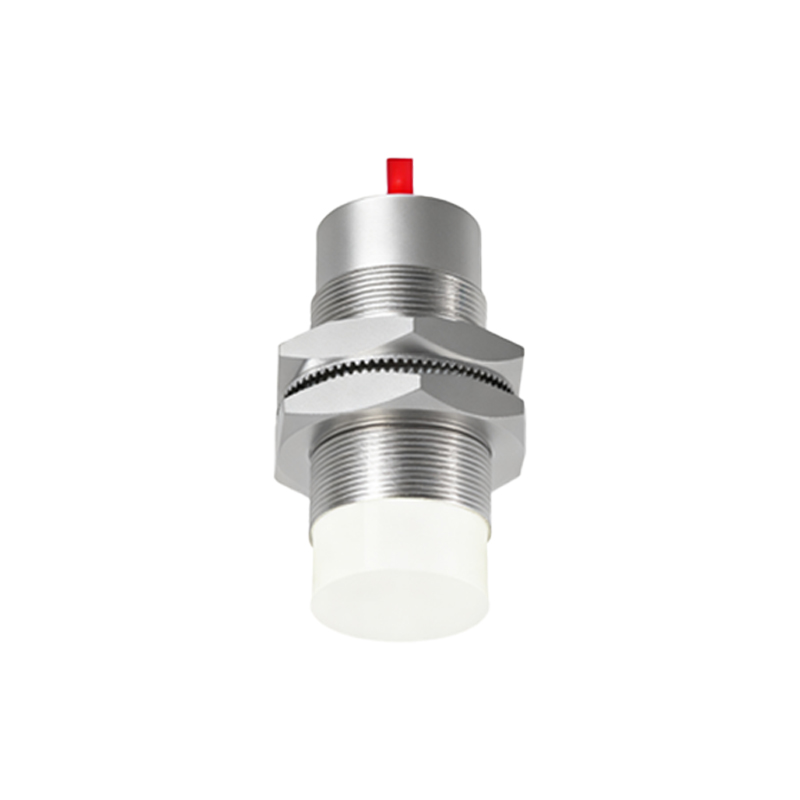
The applications for these robust sensors are vast and growing. In the logistics and food industry, they monitor product flow in freezer warehouses and on processing lines for frozen goods, ensuring automation systems run smoothly at temperatures as low as -30°C. In energy sectors, such as LNG (Liquefied Natural Gas) facilities, sensors operate near cryogenic liquids at temperatures around -162°C, controlling valves and monitoring equipment. Environmental and polar science relies on them for automated monitoring equipment deployed in Arctic or Antarctic conditions. Perhaps most demanding are space exploration and quantum computing applications, where sensors must function reliably in the near-absolute-zero environment of cryogenic chambers.
Selecting the right low temperature proximity sensor requires careful consideration of several parameters beyond the standard sensing range and output type. The guaranteed operational temperature range is paramount, often specified as a span like -40°C to +70°C. It's crucial to note the difference between the "operating temperature" (the range for full functionality) and the "storage temperature" (the range where the device can be placed without permanent damage when not powered). Thermal cycling endurance is another key factor, indicating how well the sensor withstands repeated transitions between extreme cold and ambient temperatures without cracking seals or developing faults. Finally, ingress protection (IP) ratings remain critical, as condensation and ice formation are persistent threats in cold, humid environments; a high IP rating for dust and water resistance is essential.
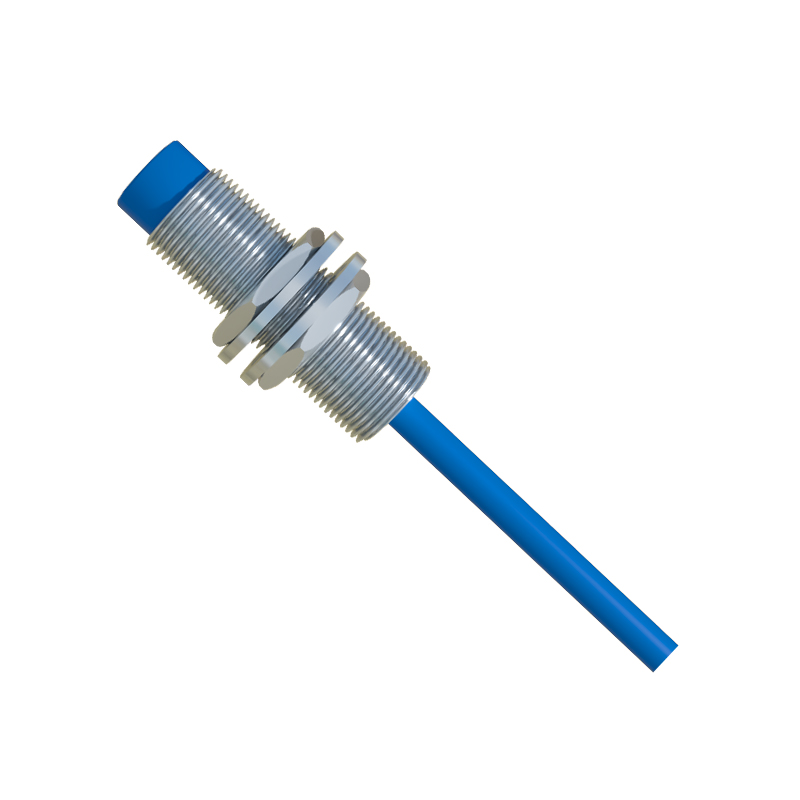
Installation and maintenance in cold environments also present unique challenges. Proper mounting is critical to minimize stress on the housing caused by differential contraction. Conduit and cable entries must be sealed meticulously to prevent moisture ingress, which can freeze and cause damage. While these sensors are built for durability, periodic checks for ice accumulation on the sensing face and verification of calibration are recommended maintenance practices to ensure long-term reliability.
As technology advances, the frontier for low temperature operation continues to expand. Research into new materials, such as graphene-based components and advanced composites, promises sensors that can withstand even more extreme cold with greater sensitivity. The integration of smart diagnostics and IoT connectivity allows for predictive maintenance, alerting operators to potential issues before a failure occurs in these often hard-to-access installations. From ensuring our global cold chain operates efficiently to enabling research at the edges of our planet and beyond, low temperature proximity sensors are a foundational, yet often overlooked, technology that makes modern industry and science possible in the coldest corners of our world.