Introduction to Photoelectric Sensors in Medicine
Photoelectric sensors, devices that detect the presence, absence, or distance of an object using a light transmitter and receiver, have become integral to modern medical technology. These sensors operate by emitting a beam of light—often infrared, visible, or laser—and measuring changes in the received light due to reflection, absorption, or interruption. In healthcare, their non-contact nature, high precision, and rapid response time make them ideal for a wide range of applications, from diagnostic equipment to patient monitoring systems. The medical industry increasingly relies on these sensors to improve accuracy, enhance patient safety, and automate critical processes, driving innovations in both clinical and laboratory settings.
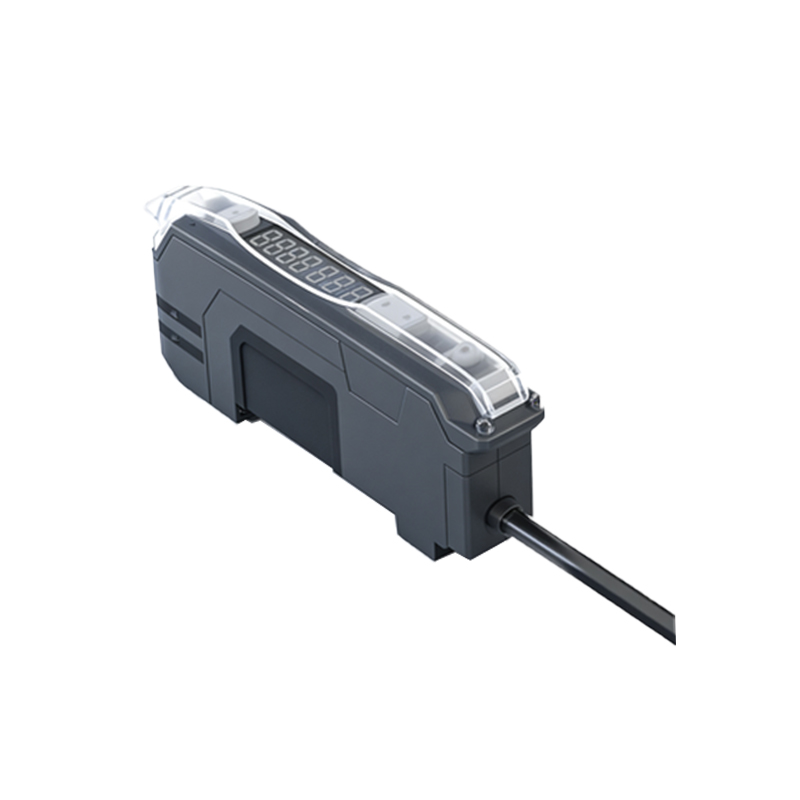
Principles and Types of Medical Photoelectric Sensors
The fundamental principle involves a light source and a photodetector. In medical devices, common types include through-beam, retro-reflective, and diffuse-reflective sensors. Through-beam sensors, with separate emitter and receiver units, offer high reliability for precise alignment tasks, such as in automated analyzers. Retro-reflective types use a reflector to bounce light back, suitable for detecting clear objects like glass vials. Diffuse sensors rely on light reflected directly from the target, often applied in proximity sensing for robotic surgery tools. Advanced variants incorporate fiber optics for minimally invasive procedures, allowing light transmission in confined spaces like endoscopes. These sensors are typically designed with medical-grade materials to ensure biocompatibility and sterilization resistance.
Diagnostic Imaging and Analysis
In diagnostic fields, photoelectric sensors enhance imaging systems and analytical instruments. For instance, in blood analyzers, sensors detect sample levels in test tubes or cuvettes, ensuring accurate fluid handling and preventing errors. Optical coherence tomography (OCT) devices use low-coherence interferometry with photoelectric components to generate high-resolution cross-sectional images of tissues, aiding in ophthalmology and cardiology. Pulse oximeters, a common example, employ red and infrared light sensors to measure blood oxygen saturation by analyzing light absorption through the skin. These applications rely on sensors' ability to detect subtle light variations, providing real-time data for early disease detection and monitoring.
Patient Monitoring and Safety
Patient safety systems extensively integrate photoelectric sensors for continuous monitoring. In infusion pumps, sensors detect air bubbles in intravenous lines, alerting staff to potential embolisms. Bed exit alarms use infrared beams to sense when a patient leaves a bed, reducing fall risks in elderly care. Respiratory monitors track chest movements via light reflection, assisting in sleep apnea diagnosis. Additionally, wearable devices incorporate miniature sensors to monitor vital signs like heart rate and activity levels, transmitting data wirelessly for remote healthcare. These systems emphasize reliability, as sensor failures could lead to critical oversights, driving stringent standards for medical device certifications.
Surgical and Therapeutic Applications
Surgical robotics and therapeutic equipment leverage photoelectric sensors for precision and control. In laser surgery, sensors regulate beam intensity and positioning, minimizing tissue damage. Robotic-assisted systems use optical encoders with photoelectric elements to provide feedback on instrument movement, enhancing accuracy in minimally invasive procedures. Photodynamic therapy employs sensors to monitor light dosage during cancer treatments, ensuring optimal therapeutic effects. Furthermore, in dialysis machines, sensors detect blood flow and filter integrity, safeguarding patients during therapy. The integration of these sensors supports automation, reducing human error and improving outcomes in complex medical interventions.
Laboratory Automation and Hygiene
Medical laboratories benefit from photoelectric sensors in automating repetitive tasks and maintaining hygiene. Automated sample handlers use sensors to identify and sort specimens, increasing throughput in high-volume testing. In sterilization equipment, sensors verify the presence of items in autoclaves and monitor UV light exposure for disinfection. Cleanroom environments deploy sensors to control particle counts via light scattering techniques, ensuring contamination-free zones for sensitive procedures. This automation not only boosts efficiency but also reduces cross-contamination risks, critical in pathology and pharmaceutical manufacturing.
Challenges and Future Trends
Despite advantages, challenges persist, such as interference from ambient light or biological tissues, requiring advanced filtering algorithms. Sensor miniaturization is crucial for implantable devices, yet power consumption and heat generation remain concerns. Future trends focus on smart sensors with IoT connectivity, enabling predictive maintenance and data analytics for personalized medicine. Innovations in nanomaterials may enhance sensitivity for early biomarker detection. As healthcare moves toward telemedicine and AI-driven diagnostics, photoelectric sensors will evolve to support more integrated, real-time monitoring solutions, ultimately transforming patient care paradigms.
Conclusion
Photoelectric sensors have revolutionized medical technology by providing non-invasive, accurate, and reliable sensing capabilities. From diagnostics to surgery, their applications enhance healthcare delivery, improving patient outcomes and operational efficiency. As research advances, these sensors will continue to play a pivotal role in emerging medical innovations, underscoring their importance in the ongoing digital transformation of the healthcare industry.