Introduction to Photoelectric Sensors in Hot Stamping
Photoelectric sensors are critical components in modern hot stamping machinery, ensuring precise material detection, registration control, and operational safety. These sensors function by emitting a light beam—typically infrared, visible red, or laser—toward a target. The presence or absence of the target material, such as foil or substrate, interrupts this beam, triggering an electrical signal that controls the machine's cycle. In hot stamping processes, where accuracy in foil feeding and positional alignment is paramount for high-quality embossing or metallic printing, reliable sensor performance directly impacts productivity and waste reduction. Common types used include through-beam sensors for long-range detection, retro-reflective sensors for easier alignment, and diffuse reflective sensors for proximity sensing without a separate reflector. Understanding the specific application—whether it's detecting thin foil edges, monitoring foil breakage, or ensuring correct sheet positioning—is essential before selecting and purchasing the appropriate sensor model.
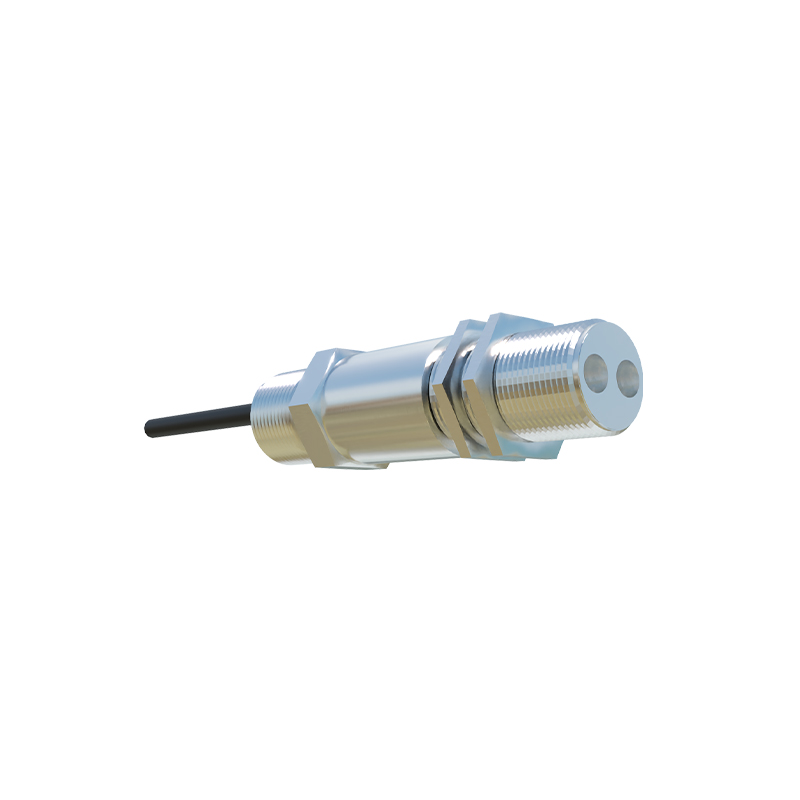
Key Specifications for Hot Stamping Machine Sensors
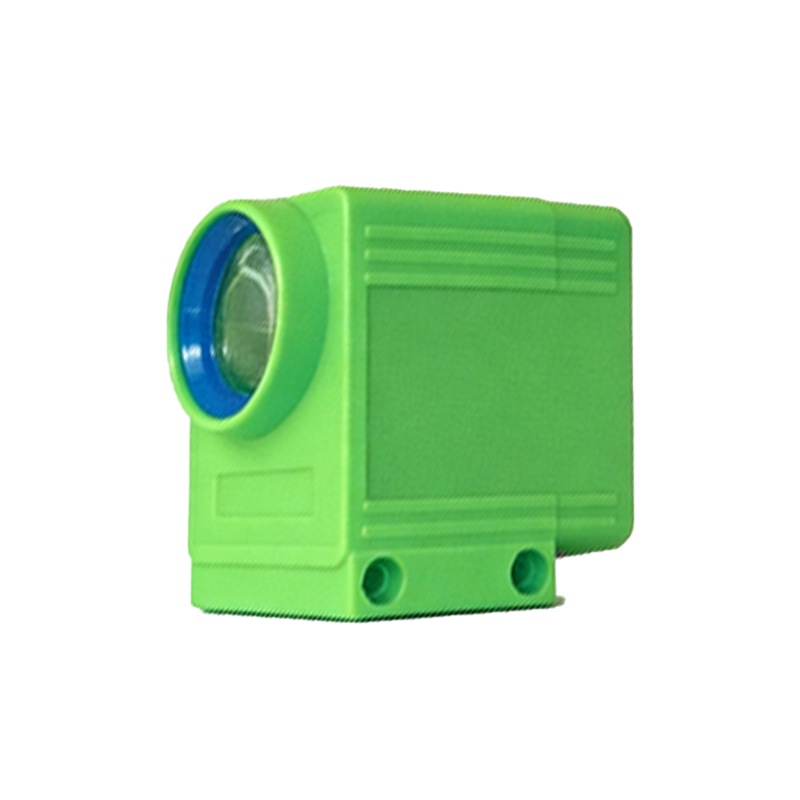
Selecting the right photoelectric sensor requires careful attention to technical specifications that match the harsh environment of hot stamping operations. Sensing range is a primary consideration; through-beam sensors can detect objects several meters away, suitable for large machinery, while diffuse sensors work best within shorter distances. Response time must be fast enough to keep up with high-speed stamping cycles, often requiring milliseconds or less. Environmental durability is crucial, as sensors may be exposed to heat, dust, foil particles, and occasional mechanical vibration. Look for sensors with high IP (Ingress Protection) ratings, such as IP67 or IP69K, indicating resistance to dust and water ingress. Temperature tolerance should align with the machine's operational heat, with some models rated for continuous use up to 70°C or higher. Additionally, output type—whether NPN, PNP, or analog—must be compatible with the machine's control system. For foil detection, sensors with precise background suppression capabilities are advantageous to ignore reflective metallic surfaces behind the target.
Leading Manufacturers and Brands
Several established manufacturers specialize in industrial photoelectric sensors suitable for hot stamping applications. Key global brands include Omron, known for their E3Z and E3S series offering high precision and durability; Sick, providing robust sensors like the WT series with advanced diagnostic functions; Banner Engineering, popular for the QS series with versatile sensing modes; and Keyence, offering high-performance models such as the PZ series with exceptional speed and accuracy. These brands are renowned for reliability, extensive product ranges, and strong technical support. Additionally, manufacturers like Pepperl+Fuchs, Turck, and Allen-Bradley (Rockwell Automation) produce sensors that withstand industrial environments. When choosing a brand, consider factors like product availability, local distributor support, and compatibility with existing machine controls. Many brands offer specialized variants for packaging and printing machinery, which can be adapted for hot stamping needs.
Primary Purchasing Channels
Purchasing photoelectric sensors for hot stamping machines can be accomplished through multiple channels, each with distinct advantages. Authorized industrial distributors are a primary source, providing direct access to genuine products from major brands. Companies like RS Components, Digi-Key, and Grainger stock a wide array of sensors with detailed specifications and datasheets. For specialized support, local automation suppliers or machine OEMs (Original Equipment Manufacturers) often recommend and supply sensors tailored to specific hot stamping models. Online marketplaces, including Amazon Industrial and eBay, offer convenience and competitive pricing, but buyers must verify seller authenticity to avoid counterfeit components. Manufacturer websites frequently have "where to buy" locators to find certified distributors. For large-scale or ongoing needs, establishing a direct account with a distributor or manufacturer can facilitate bulk pricing and technical consultation. Always request product samples for testing in your actual application before committing to a large purchase.
Considerations for Selection and Integration
Beyond basic specifications, successful integration of a photoelectric sensor into a hot stamping machine involves practical considerations. Mounting hardware and alignment tools should be available to ensure stable installation, as misalignment can cause false triggers. Check compatibility with the machine's electrical interface, including voltage requirements (commonly 12-24V DC) and connection types (e.g., M8 or M12 connectors). Some advanced sensors feature IO-Link communication for digital parameter setting and condition monitoring, which can aid in predictive maintenance. Evaluate the need for accessories like mounting brackets, protective housings, or fiber optic cables for extreme heat zones. Consulting with the machine manufacturer or a sensor application engineer can provide insights into optimal placement—for instance, positioning sensors away from direct heat sources or moving parts to prolong lifespan. Additionally, consider the total cost of ownership, including ease of calibration, replacement part availability, and warranty terms.
Tips for Ensuring Optimal Performance
To maximize the longevity and accuracy of photoelectric sensors in hot stamping environments, implement regular maintenance practices. Keep lens surfaces clean from dust, foil debris, or adhesive residues using appropriate cleaning materials, as contamination can scatter light beams and reduce sensitivity. Periodically verify alignment, especially after machine vibration or maintenance work. Monitor sensor output signals using diagnostic tools or the machine's PLC to detect early signs of drift or failure. If persistent false triggering occurs, adjust sensitivity settings or consider switching to a different sensing mode—for example, using a polarized retro-reflective sensor to ignore shiny foil surfaces. Ensure electrical connections are secure and protected from moisture. In high-temperature zones, use sensors with adequate cooling or heat shields. Keeping a spare sensor on hand minimizes downtime in case of unexpected failure. Finally, document sensor part numbers and supplier contacts for quick reordering.