Introduction to Photoelectric Sensors
Photoelectric sensors are indispensable devices in industrial automation, utilizing light beams to detect the presence, absence, or distance of objects. These sensors operate by emitting a light source—typically infrared, visible red, or laser—and measuring the reflected or interrupted light to determine object characteristics. Their non-contact nature ensures minimal wear and tear, making them ideal for high-speed applications in manufacturing, packaging, and material handling. With advancements in technology, modern photoelectric sensors offer enhanced precision, reliability, and adaptability to harsh environments, such as extreme temperatures or dusty conditions. Engineers often rely on these sensors for tasks ranging from simple object detection to complex positioning and quality control, underscoring their versatility across diverse industrial sectors.
Types of Photoelectric Sensors
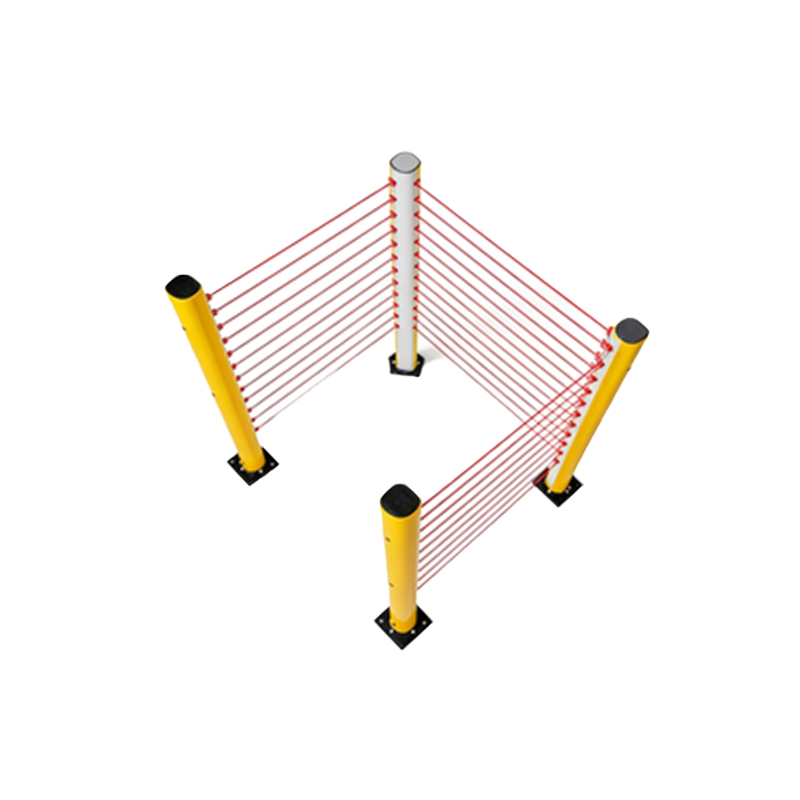
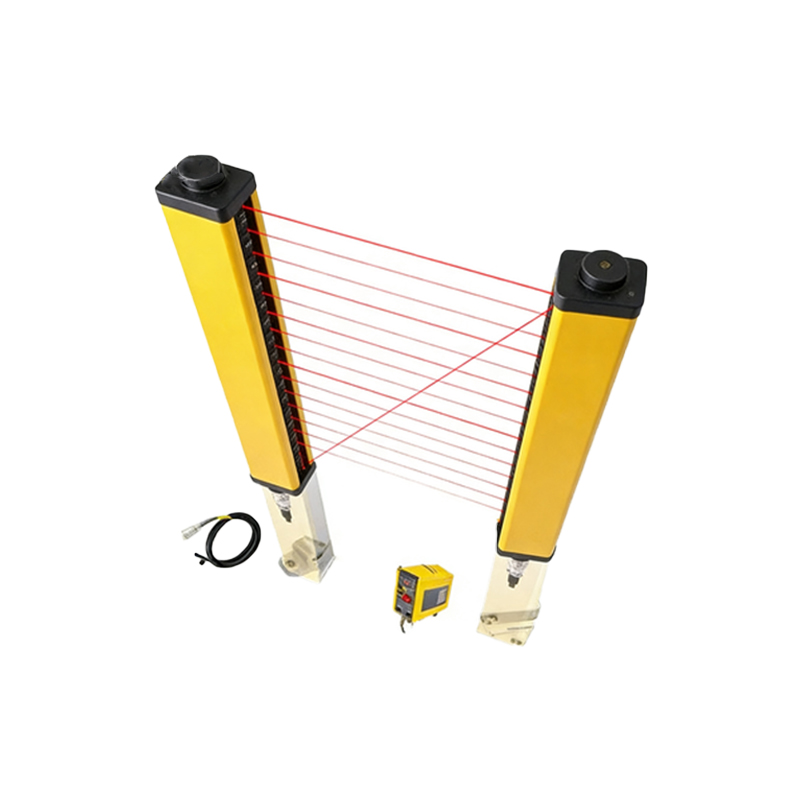
Photoelectric sensors are categorized based on their operational principles, each suited for specific detection scenarios. Through-beam sensors consist of separate emitter and receiver units, where an object is detected when it interrupts the light beam between them, providing long-range and high-accuracy sensing. Retro-reflective sensors use a single unit that emits light toward a reflector; detection occurs when the reflected beam is blocked by an object, offering a practical balance of range and ease of installation. Diffuse reflective sensors, also known as proximity sensors, rely on light reflecting directly off the target object, making them compact and suitable for short-range applications. Additionally, background suppression sensors and color recognition sensors are specialized variants that enhance detection capabilities in complex environments, such as distinguishing objects based on contrast or hue.
Key Applications in Industry
In industrial settings, photoelectric sensors play a critical role in optimizing efficiency and safety. They are widely used in conveyor systems to detect product presence, count items, or trigger sorting mechanisms, ensuring smooth material flow in logistics and assembly lines. In packaging machinery, these sensors verify label placement, monitor fill levels, and inspect seal integrity, reducing waste and maintaining quality standards. Automotive manufacturing leverages photoelectric sensors for precise part positioning, robot guidance, and safety interlocks to prevent accidents. Furthermore, in food and beverage processing, sensors with hygienic designs detect containers, control filling processes, and ensure compliance with sanitary regulations. Their adaptability also extends to pharmaceutical and electronics industries, where sensitive detection of small components is paramount.
Selection Criteria for Engineers
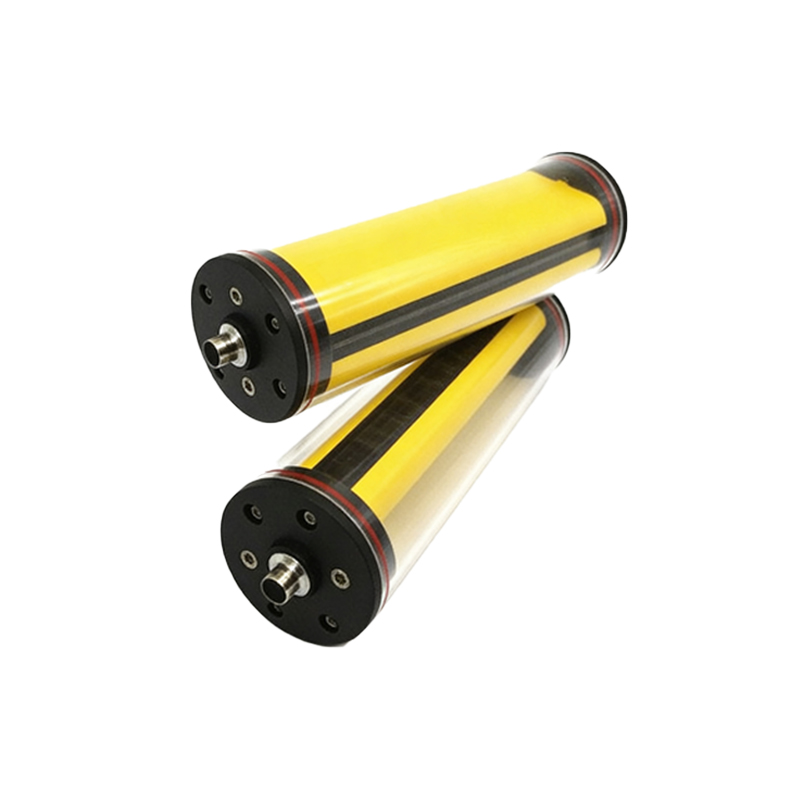
Choosing the right photoelectric sensor requires careful consideration of several technical and environmental factors. Detection range is a primary concern, as it determines the sensor's ability to sense objects at varying distances; through-beam sensors typically offer the longest ranges, while diffuse types are limited to shorter spans. The sensing mode must align with the application—for instance, retro-reflective sensors are ideal for detecting opaque objects, whereas background suppression variants excel in ignoring distant surfaces. Environmental conditions, such as ambient light, dust, moisture, or temperature extremes, necessitate sensors with appropriate ingress protection (IP) ratings and robust housings. Additionally, output types (e.g., digital, analog, or IO-Link) and response time should match the control system requirements for seamless integration. Engineers should also evaluate factors like power supply, mounting options, and maintenance needs to ensure long-term reliability.
Installation and Maintenance Tips
Proper installation and maintenance are crucial for maximizing the performance and lifespan of photoelectric sensors. During setup, align the emitter and receiver precisely to avoid false triggers, especially for through-beam and retro-reflective types, and ensure the sensor is mounted securely to prevent vibration-induced misalignment. For diffuse sensors, adjust the sensitivity settings to account for target reflectivity and background interference, using calibration tools if available. Regular cleaning of lenses and reflectors is essential to prevent buildup of dirt or debris that could attenuate light signals; compressed air or soft cloths are recommended for this purpose. Periodic inspections should check for cable integrity, connection stability, and environmental changes that might affect operation. Implementing preventive maintenance schedules helps identify wear early, reducing downtime and costly replacements in industrial operations.
Future Trends and Innovations
The evolution of photoelectric sensors continues to drive innovation in industrial automation. Emerging trends include the integration of smart sensors with IoT capabilities, enabling real-time data monitoring, predictive maintenance, and connectivity to cloud-based systems for enhanced analytics. Miniaturization efforts are producing smaller sensors with higher precision, suitable for compact machinery and robotics. Advances in light source technology, such as the use of LEDs and lasers with improved energy efficiency and longer lifespans, are reducing operational costs. Additionally, sensors with enhanced environmental resistance are being developed for extreme conditions, like high-temperature manufacturing or outdoor applications. As industries embrace Industry 4.0, photoelectric sensors are expected to become more adaptive, with features like self-diagnostics and customizable detection parameters, further solidifying their role in smart factories.