Introduction to Reflective Photoelectric Sensing
The reflective photoelectric sensor, a cornerstone of industrial automation, operates on a simple yet robust principle. It combines a light emitter and a receiver within a single housing. The emitter projects a light beam—typically infrared, red, or laser—towards a target. The light reflects off the target's surface and returns to the receiver. The sensor's internal circuitry then detects this returned light, triggering an output signal. This non-contact detection method is ideal for applications where physical contact is impractical or could cause damage. The ST150 series exemplifies this technology, engineered for reliability in diverse and demanding environments.
Core Technical Specifications of the ST150 Series
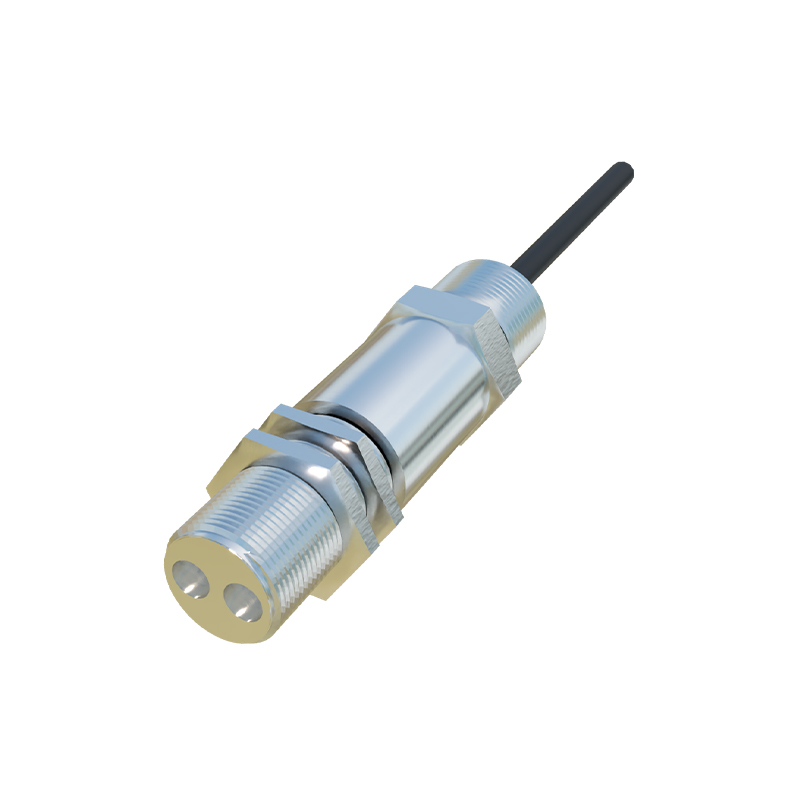
The ST150 sensor is characterized by its compact, rugged housing, often rated at IP67 for protection against dust and temporary immersion. Its sensing distance is a critical parameter, typically ranging from 10mm to 150mm, depending on the model and target surface. The light source is commonly a modulated infrared LED, which helps to mitigate interference from ambient light. The output configuration is versatile, offering options such as NPN (sinking), PNP (sourcing), or analog (4-20mA/0-10V) outputs to interface seamlessly with PLCs, controllers, and other industrial devices. Response time is exceptionally fast, usually in the microsecond range, enabling high-speed counting and positioning tasks.
Key Operational Features and Benefits
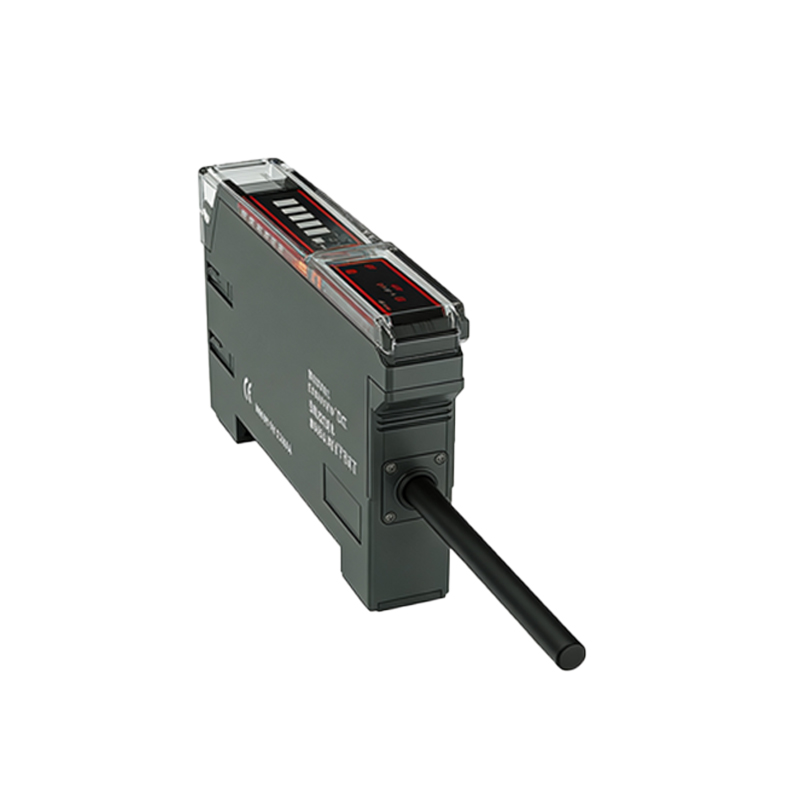
A primary advantage of the ST150 is its background suppression capability. This feature allows the sensor to detect an object within a precise, predefined sensing window while ignoring objects beyond it. This is crucial for applications like detecting objects on a conveyor belt while ignoring the belt itself or a more distant background. Additionally, many ST150 models incorporate a potentiometer or teach-in function for easy adjustment of sensitivity and sensing distance on-site, eliminating the need for complex calibration tools. Its stable performance across temperature variations and resistance to vibration make it a dependable choice for machinery and automotive assembly lines.
Typical Industrial Application Scenarios
The application scope for the ST150 is vast. In packaging machinery, it reliably detects the presence of boxes, bottles, or labels for fill-level control and positioning. On assembly lines, it verifies the presence of components, counts parts, or checks for correct orientation. In material handling, it is used for edge detection on webs of material or to monitor stack height. Its robustness also makes it suitable for harsh environments, such as detecting metallic or non-metallic parts in machine tools or monitoring bin levels for powders and granules.
Installation and Alignment Best Practices
Proper installation is paramount for optimal performance. The sensor should be mounted securely to minimize vibration-induced errors. Alignment is critical; the target must pass within the specified sensing field and reflect sufficient light back to the receiver. For highly reflective or dark, absorbent surfaces, sensitivity adjustment is necessary. It is advisable to avoid mounting the sensor opposite highly reflective backgrounds. Maintaining a clean lens free of dust, oil, or condensation is essential for consistent operation, as contamination can significantly reduce sensing range and reliability.
Troubleshooting Common Operational Issues
Common issues often stem from environmental factors or incorrect setup. If the sensor fails to detect, verify the power supply, check for obstructions in the light path, and clean the lens. Ensure the target is within the sensing range and that the sensitivity is correctly adjusted for the target's color and reflectivity. Unstable operation or false triggering can be caused by electrical noise, strong ambient light, or vibration. Using shielded cables, ensuring proper grounding, and employing sensors with modulated light sources are effective countermeasures. Always consult the manufacturer's datasheet for specific diagnostic LED indicators and error codes.
Comparison with Other Sensing Technologies
Compared to through-beam sensors, the ST150 offers easier installation with only one device to wire and mount, though it generally has a shorter sensing range. Versus diffuse sensors, the background suppression feature of many ST150 models provides superior performance by ignoring the background. When compared to proximity sensors (inductive/capacitive), photoelectric sensors like the ST150 can detect a wider variety of materials, including glass, plastic, and wood, regardless of color in many cases, though they can be more susceptible to environmental contaminants like dust or fog.
Conclusion and Selection Guidance
The reflective photoelectric sensor ST150 represents a versatile and reliable solution for a multitude of object detection challenges in industrial automation. Its combination of compact design, adjustable sensing, background suppression, and environmental resilience makes it a preferred component. When selecting a sensor for an application, engineers must carefully consider the target material, size, color, required sensing distance, environmental conditions, and necessary output type. The ST150, with its various model derivatives, provides a robust platform that meets these diverse requirements, ensuring precise and dependable operation in complex automated systems.