Understanding High-Precision Proximity Sensors
High-precision proximity sensors are advanced electronic devices designed to detect the presence, absence, or position of an object with exceptional accuracy and reliability, without any physical contact. These sensors operate based on various principles, including inductive, capacitive, ultrasonic, and optical technologies, each suited for specific industrial applications. Inductive sensors, for instance, are ideal for detecting metallic objects, while capacitive sensors can handle non-metallic materials like plastics or liquids. The core advantage lies in their ability to provide consistent, repeatable measurements in challenging environments, such as those with dust, moisture, or extreme temperatures. Industries ranging from automotive manufacturing to pharmaceuticals rely on these sensors for critical tasks like assembly line automation, quality control, and safety monitoring. Their precision ensures minimal error margins, enhancing overall operational efficiency and reducing downtime. As technology evolves, these sensors are becoming more compact, energy-efficient, and integrated with smart features like IoT connectivity, enabling real-time data analysis and predictive maintenance.
Key Applications in Modern Industries
In today's fast-paced industrial landscape, high-precision proximity sensors play a pivotal role across multiple sectors. In automotive manufacturing, they are used for precise positioning of components during assembly, such as detecting engine parts or ensuring correct placement of safety features. The electronics industry employs these sensors for PCB inspection and component alignment, where even micron-level deviations can lead to product failures. In packaging and logistics, sensors facilitate accurate counting, sorting, and barcode scanning, optimizing supply chain workflows. Additionally, the medical field utilizes them in diagnostic equipment and robotic surgery systems, where reliability is paramount for patient safety. Aerospace applications include monitoring turbine blades and landing gear, where sensors must withstand high vibrations and temperatures. These examples highlight the versatility of high-precision proximity sensors in enhancing productivity, safety, and quality assurance. By integrating with automated systems, they enable seamless operations, reducing human intervention and minimizing errors.
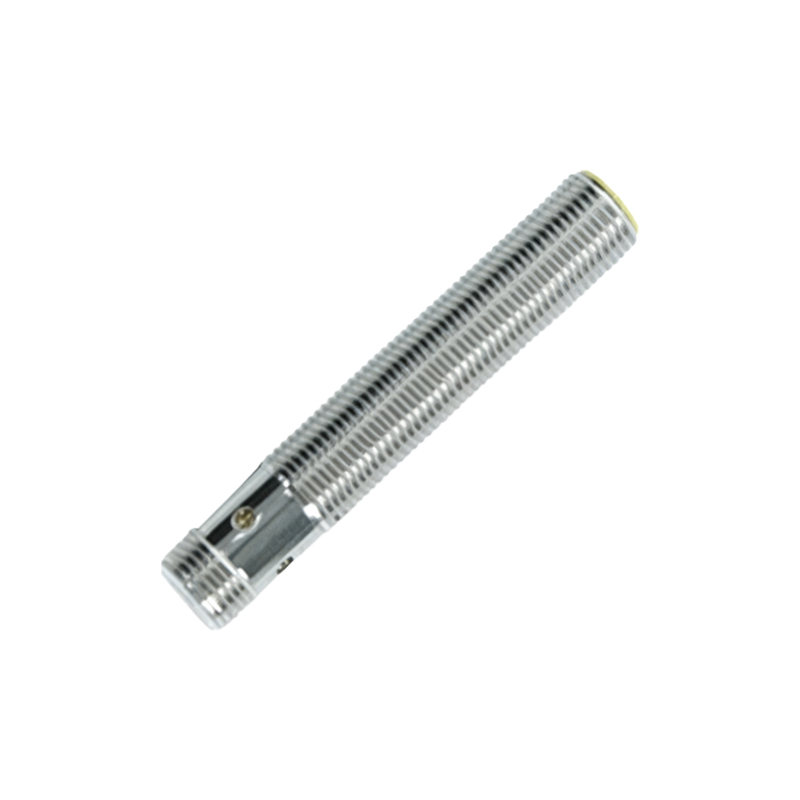
Leading Manufacturers and Suppliers
Finding reliable sources for high-precision proximity sensors involves exploring reputable manufacturers and distributors known for quality and innovation. Global leaders like Siemens, Omron, and Pepperl+Fuchs offer extensive product lines with certifications such as ISO and CE, ensuring compliance with international standards. Siemens provides robust inductive and ultrasonic sensors suitable for heavy-duty industrial use, while Omron specializes in compact, high-speed models for electronics and automation. Pepperl+Fuchs is renowned for explosion-proof sensors used in hazardous environments. Other notable brands include Balluff, which focuses on customizable solutions, and Keyence, known for advanced optical and laser-based sensors. When sourcing these sensors, it's essential to consider factors like detection range, response time, and environmental ratings. Distributors like Digi-Key and Mouser Electronics offer online platforms with detailed specifications and technical support, making it easier to compare options. For specialized needs, consulting with engineering firms or attending industry trade shows like Hannover Messe can provide insights into the latest innovations and supplier networks.
Factors to Consider When Selecting Sensors
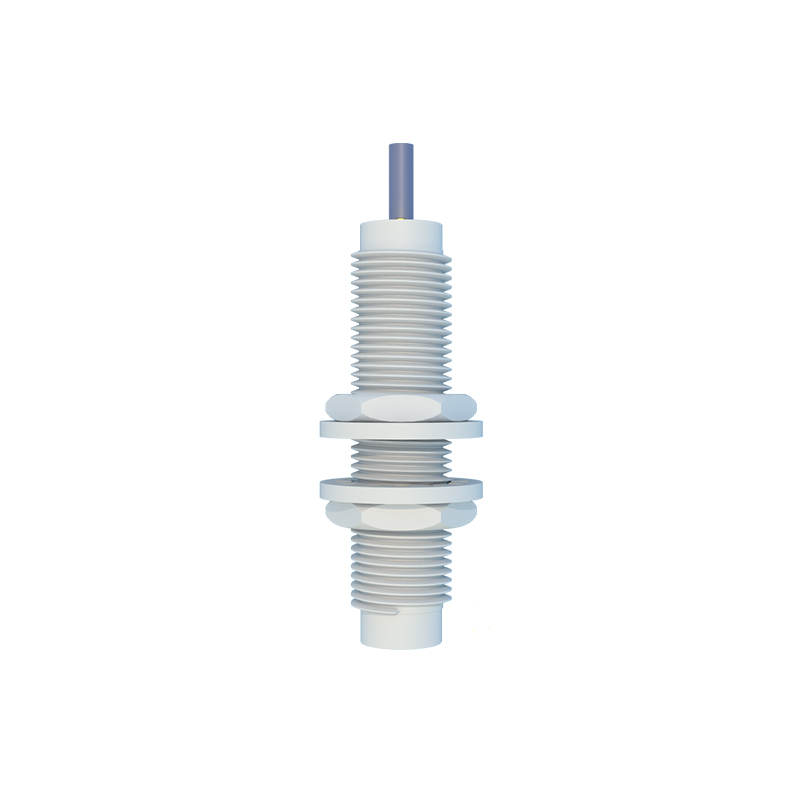
Choosing the right high-precision proximity sensor requires a thorough evaluation of several technical and operational factors. First, determine the sensing technology based on the target material—inductive for metals, capacitive for non-metals, or ultrasonic for varied surfaces. Next, assess the required detection distance and accuracy; for instance, optical sensors offer sub-millimeter precision but may be sensitive to ambient light. Environmental conditions like temperature extremes, humidity, or exposure to chemicals dictate the need for protective housings or IP ratings. Response time is critical in high-speed applications, such as conveyor systems, where delays can disrupt processes. Compatibility with existing control systems, such as PLCs or IoT networks, should also be verified to ensure seamless integration. Cost considerations include not only the initial purchase price but also maintenance and lifecycle expenses. Reading customer reviews, requesting samples for testing, and consulting with technical experts can aid in making an informed decision. Ultimately, a well-chosen sensor enhances system reliability and reduces long-term operational costs.
Future Trends and Innovations
The future of high-precision proximity sensors is shaped by ongoing advancements in miniaturization, connectivity, and intelligence. Emerging trends include the integration of AI and machine learning algorithms, enabling sensors to self-calibrate and predict failures based on historical data. IoT-enabled sensors are becoming standard, allowing remote monitoring and control via cloud platforms, which improves efficiency in smart factories and Industry 4.0 setups. Energy-efficient designs, such as energy-harvesting sensors, reduce power consumption and support sustainable operations. Additionally, developments in materials science are leading to more durable sensors that can operate in extreme conditions, like deep-sea exploration or space missions. Collaborative robotics (cobots) are driving demand for sensors with enhanced safety features, such