Understanding Photoelectric Sensor Fundamentals
Photoelectric sensors are indispensable components in modern industrial automation, offering non-contact detection of objects. At their core, these sensors operate by emitting a beam of light (visible, infrared, or laser) and detecting changes in the received light signal. The three primary operating principles are through-beam, retro-reflective, and diffuse reflective. Through-beam sensors consist of separate emitter and receiver units, providing the longest sensing range and highest reliability by detecting the interruption of the light beam. Retro-reflective models house both emitter and receiver in one unit, bouncing light off a reflector, making them ideal for detecting objects that break this beam. Diffuse reflective sensors detect light reflected directly from the target object itself, offering a compact, single-unit design suitable for shorter ranges. A solid grasp of these fundamentals is the first critical step in the selection process, as the operating principle directly dictates the sensor's application suitability, installation complexity, and environmental robustness.
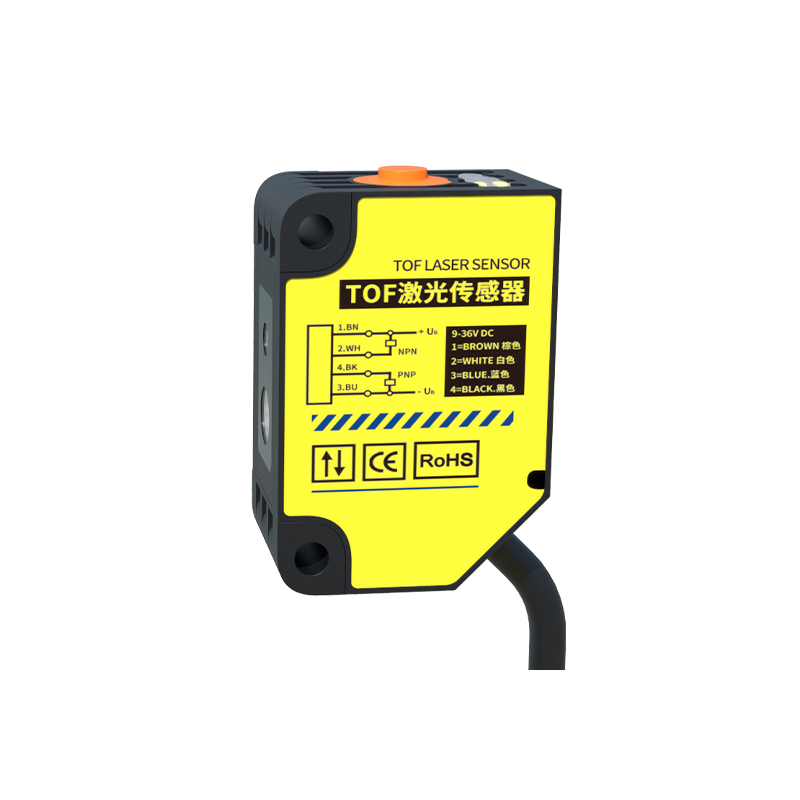
Defining the Application Requirements
A precise definition of the application is paramount. Start by asking key questions: What is the physical nature of the target object? Its size, material, color, and surface finish (shiny, matte, transparent) dramatically affect light absorption and reflection. For instance, detecting a clear glass bottle requires a sensor specifically designed for transparent objects, often using a polarized retro-reflective or focused-beam diffuse model. Next, determine the required sensing distance or range. Always consult the sensor's datasheet for the "assured operating distance," which accounts for environmental factors and component aging, rather than just the theoretical maximum. Consider the required response speed and output type (e.g., NPN/PNP transistor, analog, IO-Link). High-speed packaging lines demand sensors with fast response times and precise timing functions. Finally, define the output logic: light-on or dark-on? This determines whether the output activates when the light beam is received or when it is blocked.
Evaluating the Operating Environment
The sensor's environment is a major determinant of its longevity and reliability. Industrial settings often present harsh conditions. Ambient light from welding arcs, sunlight, or high-bay lighting can interfere with sensor operation. Choosing models with modulated LED light (often pulsed infrared) and built-in background suppression technology is crucial for immunity to such interference. Contaminants like dust, oil mist, steam, or coolant can coat the lens, attenuating the light signal. Sensors with high IP ratings (e.g., IP67, IP69K) and lens designs that minimize accumulation are necessary. Temperature extremes, vibration, and mechanical shock also require consideration. For washdown areas in food & beverage or pharmaceutical applications, stainless-steel housings and sealed connectors are mandatory. Never underestimate environmental factors; a sensor perfect for a clean electronics assembly line may fail catastrophically in a foundry.
Selecting the Appropriate Sensing Mode and Features
With the target and environment defined, refine the choice by selecting the optimal sensing mode and special features. For challenging targets like transparent films or liquids, a convergent beam (fixed-focus) diffuse sensor provides a precise, small sensing spot. For precise positioning or edge detection, a miniature laser sensor offers an extremely focused beam. Background suppression sensors use triangulation to detect objects only within a defined distance, ignoring objects beyond, which is ideal for detecting objects on a conveyor regardless of color. Contrast sensors, which detect the difference in reflectivity between a target and its background, are excellent for label detection. Modern sensors offer advanced features like programmable logic, teach-in functions for easy setup, and IO-Link connectivity for digital parameter setting, diagnostics, and process data monitoring. These smart features enhance flexibility and reduce downtime.
Considering Electrical and Mechanical Specifications
The final selection phase involves matching electrical and mechanical specs to your control system and physical space. Voltage supply range (e.g., 10-30 VDC) must be compatible. The output configuration (NPN sinking or PNP sourcing) must match the input card of your PLC. Consider the load current and protection against short-circuits and reverse polarity. Mechanically, evaluate the housing size and shape (cylindrical, rectangular, slot-style) for the available mounting space. The type of connection—pre-wired cable, quick-disconnect M8/M12 connector—affects installation and maintenance ease. For alignment-critical setups like through-beam sensors, models with alignment indicators (LEDs that show signal strength) are invaluable. Always ensure the sensor's housing material (e.g., nickel-plated brass, stainless steel, PBT plastic) is chemically resistant to any substances in the environment.
Implementing and Validating the Choice
The process does not end with purchase. Proper installation is critical. Ensure stable mounting to avoid misalignment from vibration. Follow manufacturer guidelines for cleaning lenses and maintaining adequate clearance around the sensor. During commissioning, use the sensor's indicators or an ammeter to verify the operating margin—the difference between the received light intensity and the sensor's detection threshold. A healthy margin (often 30% or more) ensures reliable operation despite lens contamination or minor misalignment over time. For complex applications, prototype testing with the actual target under real operating conditions is highly recommended. Document the sensor model, settings, and operating margin for future maintenance. A methodical selection and validation process ensures optimal performance, reduces false triggers, and maximizes the mean time between failures, delivering a strong return on investment.