Understanding the Demand for Proximity Sensors
The proliferation of Industry 4.0 and smart manufacturing has created an unprecedented demand for proximity sensors. These devices, which detect the presence or absence of objects without physical contact, are fundamental to automated assembly lines, robotic guidance, material handling, and quality control systems. For large-scale industrial projects, such as building a new automotive plant or a high-volume packaging facility, the requirement for these sensors can number in the thousands. This scale necessitates a supply strategy that goes beyond simple procurement, focusing on reliability, consistency, and total cost of ownership. The choice of supply method directly impacts production uptime, maintenance schedules, and long-term operational efficiency.
Traditional Bulk Ordering and Its Limitations
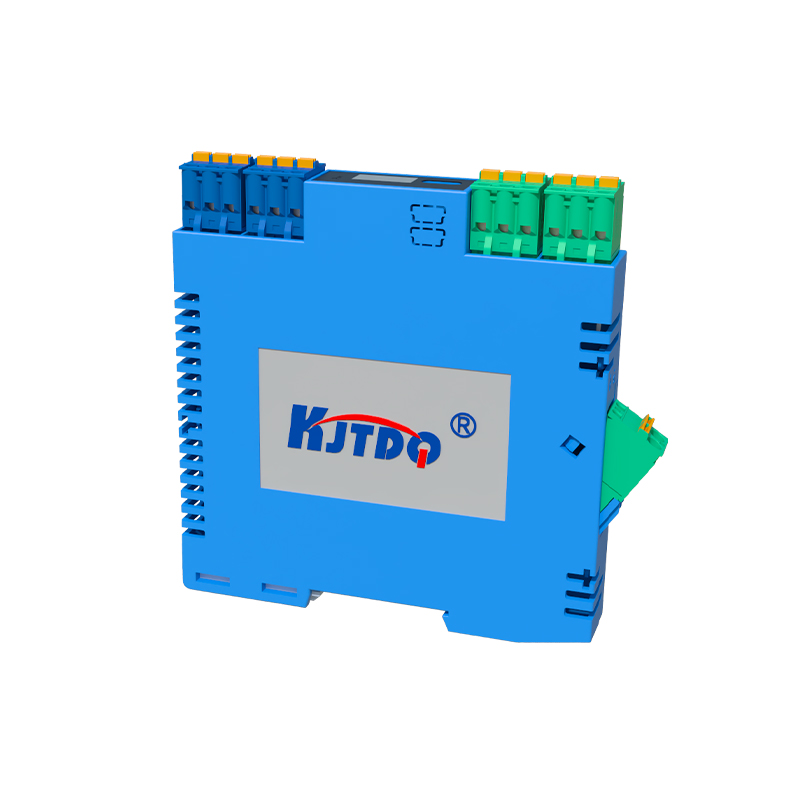
The most straightforward method is direct bulk ordering from a manufacturer or a major distributor. This approach involves forecasting the total sensor need for a project or a fiscal period and placing a single, large purchase order. The primary advantage is potential volume-based pricing discounts. However, this model carries significant risks. It requires substantial upfront capital investment and secure storage facilities. More critically, it creates vulnerability to technological obsolescence; a sensor model may be updated or discontinued, leaving a stockpile of soon-to-be obsolete components. Furthermore, this method lacks flexibility to adapt to design changes mid-project, potentially leading to waste or shortages.
The Just-in-Time (JIT) Delivery Model
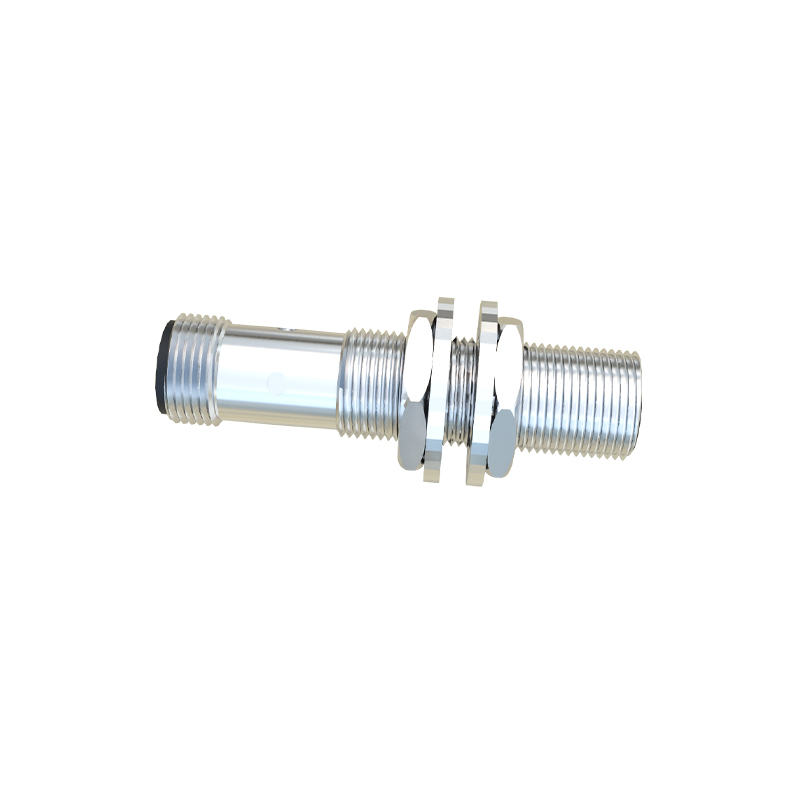
Adopted from lean manufacturing principles, the Just-in-Time model aims to receive sensors precisely when they are needed in the production or installation process. This minimizes inventory holding costs and reduces the risk of obsolescence. Successful JIT implementation requires an exceptionally reliable and responsive supply chain partner. The supplier must have robust logistics and sufficient buffer stock to guarantee on-schedule delivery. Any disruption—be it a logistics delay, a production hiccup at the sensor factory, or a geopolitical event—can bring an entire production line to a halt. Therefore, JIT is often coupled with stringent service level agreements (SLAs) and real-time inventory visibility systems provided by the supplier.
Vendor-Managed Inventory (VMI) Solutions
A more advanced and increasingly popular strategy is Vendor-Managed Inventory. In a VMI arrangement, the supplier (or a specialized logistics partner) assumes responsibility for maintaining an agreed-upon level of sensor inventory at or near the client's facility. The supplier monitors stock levels, often through automated systems, and initiates replenishment shipments without the need for individual purchase orders. This model transforms the procurement relationship from transactional to collaborative. It frees the client's capital and personnel from inventory management tasks, ensures a consistent supply, and can significantly reduce administrative costs. The success of VMI hinges on deep trust, transparent data sharing, and well-defined performance metrics between both parties.
Consignment Stock Arrangements
Consignment stock is a hybrid model where the supplier places a stock of sensors at the client's site, but the client does not take ownership or pay for the sensors until they are actually used or "picked" from the shelf. This is particularly advantageous for clients with tight cash flow or for stocking high-value, specialized sensor types. The supplier bears the carrying cost of the inventory until consumption. This model ensures immediate availability while deferring cost. It requires clear agreements on auditing, liability for damaged or obsolete stock, and the terms of the ownership transfer. It is an excellent solution for maintaining high availability of critical, long-lead-time sensor components.
Strategic Sourcing and Multi-Sourcing for Risk Mitigation
Regardless of the delivery model, sourcing strategy is paramount for large-scale supply. Sole-sourcing from a single manufacturer can offer consistency but introduces significant supply chain risk. A strategic approach involves qualifying two or more sensor suppliers whose products are technically equivalent or interchangeable for the application. This multi-sourcing strategy mitigates risk against factory fires, natural disasters, or allocation shortages from a single source. It requires upfront engineering effort to validate alternative sensors but provides invaluable resilience. Furthermore, it can improve negotiating leverage on pricing and service terms.
Integrating Digital Supply Chain Platforms
Modern large-scale supply is inseparable from digital tools. Integration with digital procurement platforms and the Industrial Internet of Things (IIoT) is revolutionizing sensor supply. These platforms enable automated reordering based on real-time consumption data from the production floor, predictive analytics for demand forecasting, and complete traceability for each sensor unit from factory to installation. Suppliers offering API integrations with a client's Enterprise Resource Planning (ERP) system can create a seamless, error-proof supply loop. This digital integration is the cornerstone of a responsive, efficient, and data-driven supply strategy for proximity sensors and other critical automation components.