Factors Influctuating Proximity Sensor Costs
The pricing of proximity sensors in the industrial market is not arbitrary; it is a direct reflection of complex engineering and material choices. At the core, the sensing technology itself is a primary cost driver. Inductive sensors, designed for metal detection, are generally the most economical due to their simple coil-based design and widespread manufacturing. Capacitive sensors, capable of detecting a wider range of materials including liquids and plastics, involve more complex circuitry, leading to a higher price point. Ultrasonic and photoelectric sensors represent the higher end of the spectrum. Their need for precise transducers, lenses, and advanced signal processing chips significantly increases both component and assembly costs. The choice of technology is the first and most decisive step in determining the final price tag.
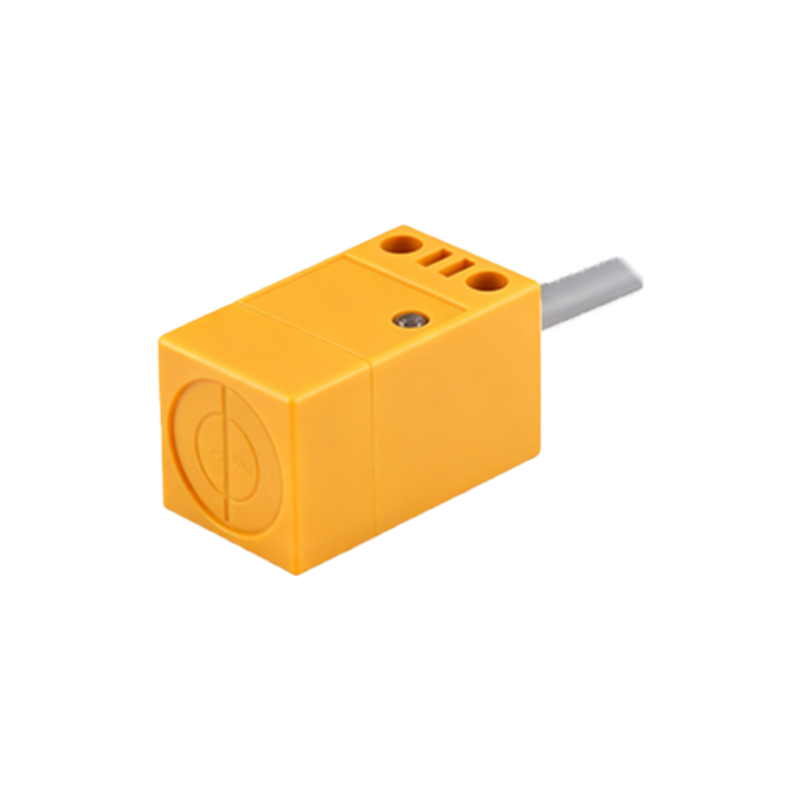
Material and Build Quality Specifications
Beyond the core technology, the physical construction of the sensor dictates its durability and, consequently, its cost. The housing material is a critical factor. Standard sensors may use engineering plastics like PBT or PA, which offer good chemical resistance. For harsh environments involving extreme temperatures, high-pressure washdowns, or corrosive agents, housings made of stainless steel (e.g., V4A/AISI 316L) or specialized, FDA-approved plastics become necessary, adding substantial material expense. Similarly, the sensing face material and the quality of the potting compound that seals the internal electronics from moisture and vibration are cost-sensitive. A sensor rated for IP67 or IP69K protection will invariably cost more than one with a basic IP65 rating due to more rigorous sealing processes and testing.
Performance Parameters and Their Price Impact
Technical specifications directly correlate with price. Sensing range is a key parameter; a standard 5mm inductive sensor is commonplace, but a 40mm range version requires a larger coil and more power, increasing its cost. Switching frequency, or how quickly a sensor can detect objects, is another premium feature. High-speed applications in packaging or robotics demand sensors with frequencies in the kHz range, necessitating faster, more expensive electronic components. Output type also plays a role. While standard PNP or NPN transistor outputs are cost-effective, analog outputs (4-20mA, 0-10V) or IO-Link digital communication interfaces add layers of complexity. IO-Link sensors, which provide detailed diagnostic data and parameterization capabilities, incorporate a small microprocessor, placing them at a premium price tier compared to their standard binary counterparts.
Certification and Compliance Requirements
Industrial sensors often require certifications to be legally sold and used in specific regions or applications. CE marking for the European market, UL/cUL listing for North America, and ATEX/IECEx certification for use in explosive atmospheres are not mere stickers. Achieving these certifications involves rigorous third-party testing, specialized component sourcing, and often, design modifications to meet strict safety standards. The cost of this testing and the ongoing audit processes is factored into the sensor's price. A sensor with ATEX approval for Zone 1/21 will be significantly more expensive than a standard industrial model, as it is engineered to prevent any spark or excessive heat that could ignite a hazardous atmosphere.
Supply Chain Dynamics and Market Positioning
Finally, macroeconomic and brand factors influence pricing. The cost of raw materials like copper, nickel, and semiconductors fluctuates based on global commodity markets and chip shortages, causing sensor prices to be dynamic rather than static. Brand positioning is equally influential. Established global manufacturers command a price premium based on their reputation for reliability, extensive global distribution, and comprehensive technical support. In contrast, generic or value-line brands may offer lower upfront costs, potentially compromising on consistency, longevity, or support services. The total cost of ownership, which includes maintenance, downtime, and replacement, must be evaluated alongside the initial purchase price to understand the true value proposition of a proximity sensor.