Understanding Slot Type Photoelectric Sensors
Slot type photoelectric sensors, often called through-beam sensors, are fundamental components in industrial automation. They consist of two separate units: an emitter and a receiver, housed in a single U-shaped body with a precise gap or "slot" between them. The emitter projects a beam of light—typically infrared, red, or laser—directly across this gap to the receiver. When an object passes through the slot, it interrupts this light beam, causing the sensor's output state to change. This simple, yet highly reliable, principle makes them indispensable for tasks like object detection, counting, and edge guiding in high-speed production lines, packaging machinery, and material handling systems. Their key advantage is the high positional accuracy and consistent performance they offer, as the aligned emitter and receiver ensure a strong, focused signal.
Key Specifications for Bulk Procurement
When sourcing slot sensors in wholesale quantities for industrial projects, several technical specifications demand careful evaluation. First, the slot width and depth must match the application's physical constraints. Common slot widths range from a few millimeters for small component detection to over 50mm for larger objects. The sensing beam type is critical; infrared LEDs offer good general performance, while red light beams are visible for easier alignment. Laser models provide extremely precise detection for minute objects. Response time, measured in microseconds or milliseconds, determines the maximum sensing speed. Other vital parameters include the output type (NPN/PNP transistor, relay), power supply voltage range (commonly 10-30V DC), and environmental protection ratings like IP67 for dust and water resistance, ensuring durability in harsh factory conditions.
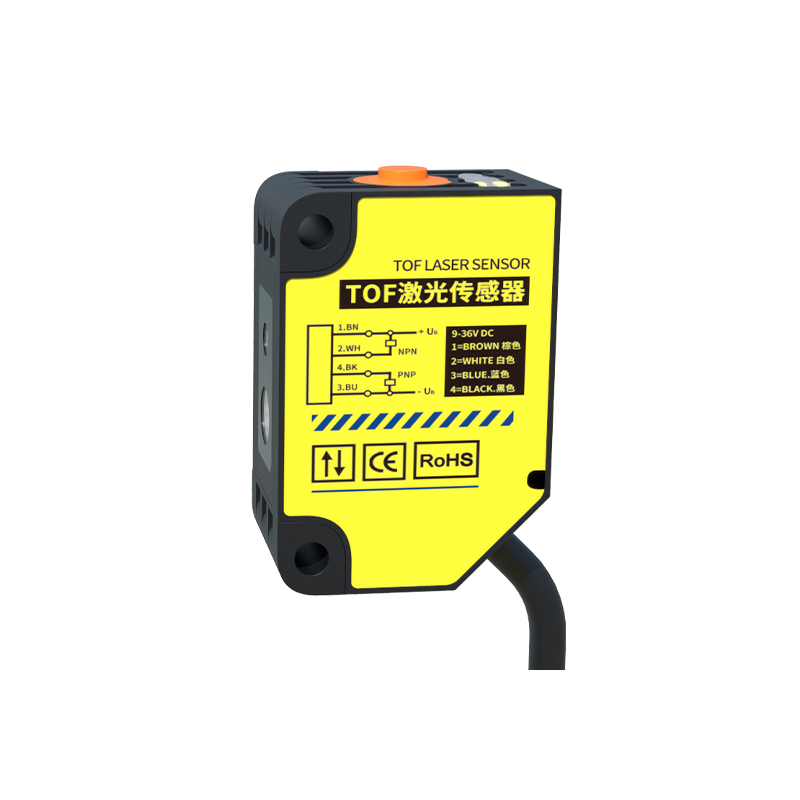
Advantages of Wholesale Purchasing for Industrial Clients
Procuring quality slot photoelectric sensors through wholesale channels offers significant benefits for OEMs, system integrators, and large manufacturing facilities. The most immediate advantage is substantial cost reduction. Bulk orders typically come with considerable unit price discounts, lowering the per-project BOM cost. It also ensures consistency and inventory stability. Having a large stock of identical sensors from the same production batch guarantees uniform performance across multiple machines and production lines, simplifying maintenance and spare part management. Furthermore, establishing a relationship with a reputable wholesale supplier often leads to better technical support, priority access to new product lines, and more flexible logistics and delivery options tailored to large-scale industrial deployment schedules.
Selecting a Reliable Wholesale Supplier
Choosing the right supplier is as crucial as selecting the sensor itself. A reliable wholesale partner should offer a proven product portfolio from established manufacturers, ensuring component quality and long-term availability. Evaluate their technical expertise; they should be able to provide detailed datasheets, application advice, and customization options like special cable lengths or connector types. Assess their logistical capabilities, including minimum order quantities (MOQ), lead times, and global shipping networks. Certifications such as ISO 9001 for quality management are a strong indicator of professional operation. Finally, review their after-sales support structure, including warranty terms, return policies, and the availability of sample units for testing before committing to a large order.
Integration and Maintenance Best Practices
Proper integration is key to maximizing the performance and lifespan of slot sensors. During installation, ensure precise mechanical alignment; even minor misalignment can weaken the signal. Protect the sensor slot from accumulation of dust, chips, or moisture, which can cause false triggers. Using mounting brackets can reduce vibration-induced misalignment. For maintenance, establish a regular cleaning schedule for the lens surfaces using appropriate solvents. Monitor the sensor's performance indicators, if available, to detect gradual signal degradation. When replacing sensors in a wholesale-purchased batch, calibrate the new unit to match the existing system's parameters. Keeping detailed records of sensor locations, part numbers, and installation dates aids in efficient troubleshooting and inventory management.
Future Trends in Photoelectric Sensing Technology
The landscape for slot type sensors continues to evolve. Emerging trends that wholesale buyers should monitor include the integration of IO-Link communication, which transforms simple sensors into smart devices capable of transmitting process data, health status, and diagnostic information for predictive maintenance. There is also a growing demand for sensors with enhanced resistance to extreme conditions, such as high-pressure washdowns or intense ambient light. Miniaturization is another key trend, allowing for installation in increasingly compact machinery. Furthermore, the convergence of sensing and safety functions, leading to compliant safety light curtains with slot-type form factors, is gaining traction. Partnering with a forward-thinking wholesale supplier ensures access to these next-generation technologies as they become mainstream.