Introduction to Proximity Sensing in Rubber Applications
In industrial automation, the reliable detection of rubber components—be they seals, gaskets, belts, or raw materials—is a critical yet often challenging task. Unlike metals, rubber presents unique characteristics such as non-conductivity, variable surface textures, and often, translucency or dark coloration. Standard inductive proximity sensors, the workhorses for metal detection, are ineffective here. This necessitates the use of specialized proximity sensors, primarily capacitive and photoelectric types, engineered to overcome these material-specific hurdles. The selection and application of the correct sensor technology are paramount for ensuring process reliability, quality control, and operational efficiency in industries ranging from automotive manufacturing to consumer goods.
Capacitive Proximity Sensors: Principles and Advantages
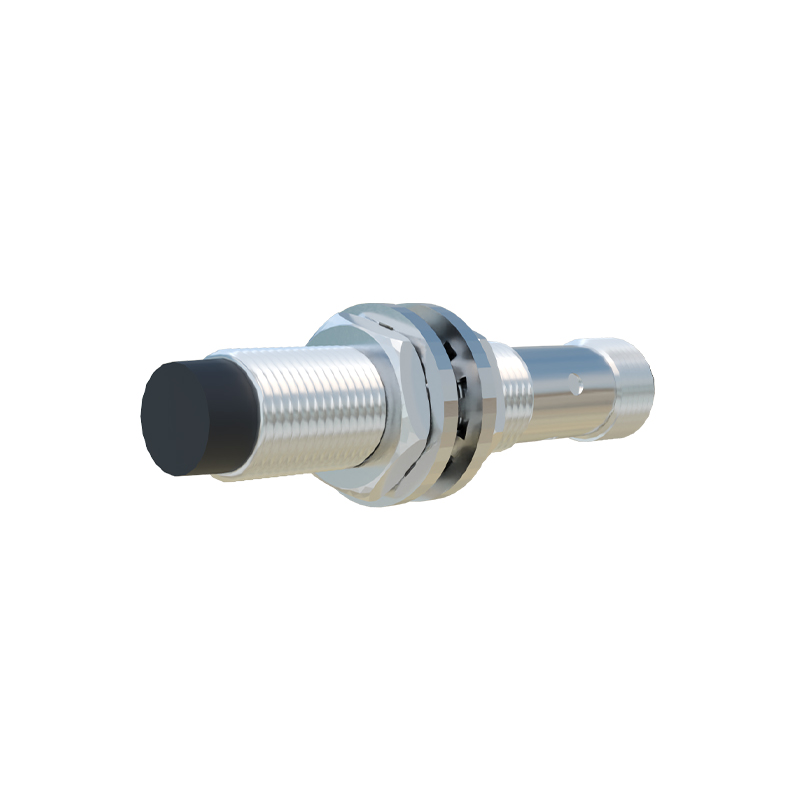
Capacitive proximity sensors operate by generating an electrostatic field. The sensor's active face and a ground reference form a capacitor. When any material, including non-conductive rubber, enters this field, it alters the dielectric constant and thus the capacitance of the system. The sensor's internal oscillator detects this change, triggering an output switch. A key advantage is their ability to detect virtually any material, regardless of color or surface finish. For rubber detection, they excel in applications like monitoring the level of rubber granules in a silo, detecting the presence of a rubber gasket on a conveyor, or verifying the insertion of a rubber seal in an assembly fixture. Their sensing distance is influenced by the material's dielectric constant; typically, rubber has a moderate constant, allowing for reasonable and stable sensing ranges when properly calibrated.
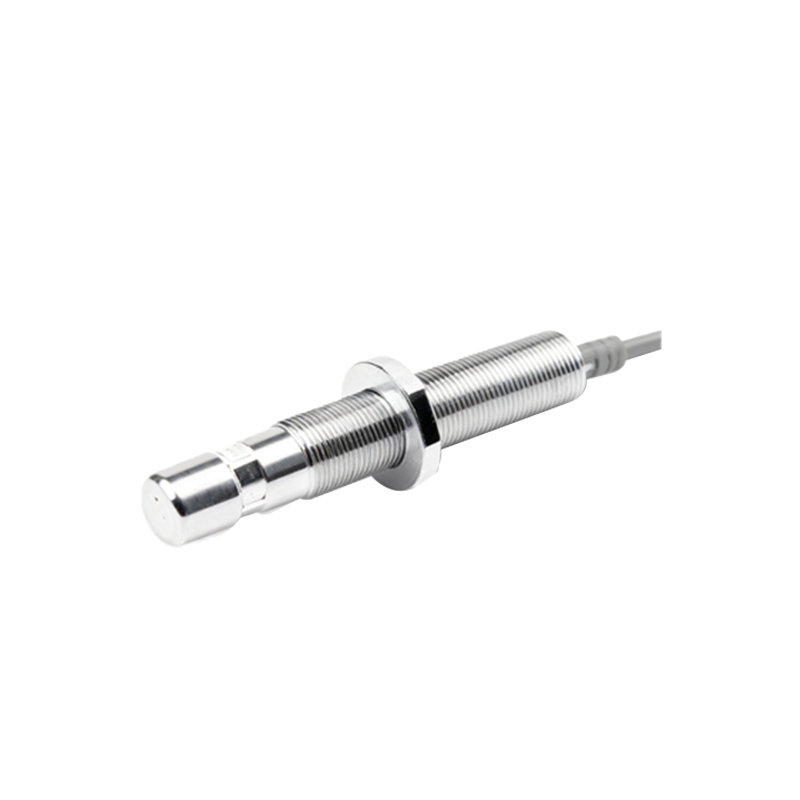
Photoelectric Sensors: Diffuse, Retro-reflective, and Through-beam
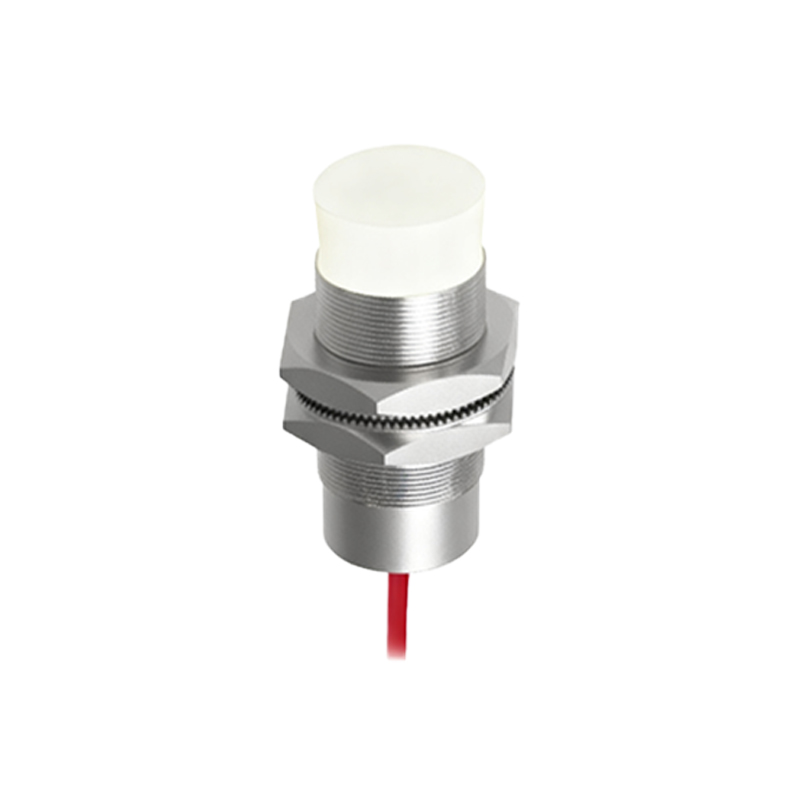
Photoelectric sensors offer another robust solution, particularly useful for detecting specific rubber parts or distinguishing between different rubber types. Diffuse sensors emit a light beam (often red or laser) and detect the reflection from the target object. For optimal performance with dark rubber, high-powered models or those with background suppression technology are essential to distinguish the weak signal from the dark surface. Retro-reflective sensors, which bounce light off a reflector, are excellent for detecting the presence or absence of a rubber object breaking the beam, such as a belt on a pulley system. Through-beam sensors, with separate emitter and receiver units, provide the highest reliability and longest range, ideal for precise detection of rubber parts on high-speed assembly lines, unaffected by the rubber's color or surface characteristics.
Key Selection Criteria and Installation Considerations
Selecting the right sensor requires a detailed analysis of the application. Key parameters include the required sensing distance, the specific type and color of the rubber, environmental conditions (presence of dust, oil, or temperature extremes), and the required response speed. For capacitive sensors, the mounting environment is crucial; metallic surroundings can influence the field, necessitating flush-mounted models or careful shielding. For photoelectric sensors, ambient light interference and lens contamination must be mitigated. Engineers must also consider the output type (PNP/NPN, analog) and housing material (often stainless steel or PBT plastic for chemical resistance). Proper alignment, stable mounting, and routine maintenance are critical for long-term, drift-free operation.
Overcoming Common Challenges in Rubber Detection
Several challenges are frequently encountered. The low dielectric constant of some rubber compounds can challenge capacitive sensors, requiring models with adjustable sensitivity to fine-tune the detection threshold. For black or highly textured rubber, photoelectric sensors may struggle with insufficient light return; using a laser-based diffuse sensor or a through-beam setup often resolves this. In environments with airborne rubber dust, sensors with high IP ratings (e.g., IP67) and self-cleaning cycles for optical lenses are mandatory. Furthermore, temperature fluctuations can affect both sensor electronics and the physical properties of rubber, potentially altering detection points; selecting sensors with wide operating temperature ranges and stable thermal compensation is advised.
Application Examples in Industrial Settings
Practical applications abound. In tire manufacturing, capacitive sensors verify the presence of rubber tread blanks before molding. On automotive assembly lines, photoelectric through-beam sensors ensure rubber window seals are correctly positioned before the glass is installed. In conveyor systems handling mixed materials, capacitive sensors reliably sort rubber components from metal ones. For quality control, high-resolution photoelectric sensors can inspect rubber O-rings for surface defects or dimensional accuracy. In injection molding machines, sensors detect when a rubber part has been ejected into a collection bin, preventing jams and ensuring production counts are accurate.
Future Trends and Technological Advancements
The evolution of proximity sensing continues to address the nuances of material detection like rubber. Smart sensors with IO-Link communication are becoming standard, enabling remote configuration, real-time diagnostics, and parameter adjustment—such as dynamically changing sensitivity for different