Introduction to the E2E-X7D1-M1G-Z Proximity Sensor
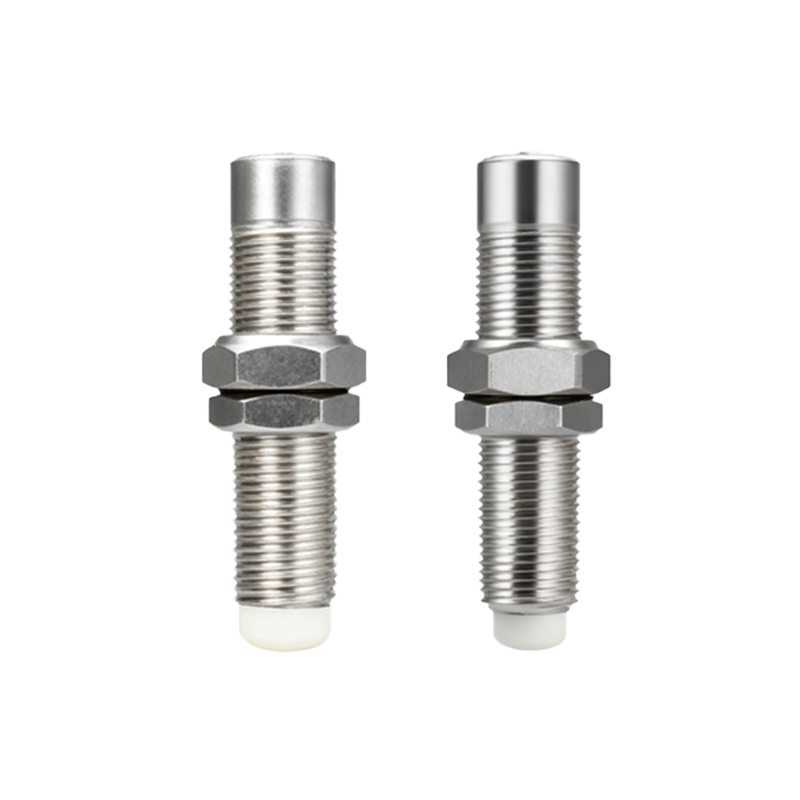
The E2E-X7D1-M1G-Z is a shielded, cylindrical inductive proximity sensor from Omron's renowned E2E series. Designed for reliable non-contact detection of metallic objects, this specific model features an M12 size housing, a standard 2-meter PVC cable (M1G), and a sensing distance of 1 mm. Its compact and robust construction makes it a versatile component in industrial automation, particularly in space-constrained applications where precise positioning is critical. The sensor operates on a DC supply voltage, providing a stable and consistent performance essential for modern manufacturing and assembly lines.
Key Technical Specifications and Features
This sensor is engineered with precision, offering a set of specifications that define its operational envelope. It typically operates on a 12-24 VDC supply, with a current consumption of less than 15 mA. The output configuration is normally open (NO), switching a load current of up to 200 mA. A standout feature is its shielded design, which allows for flush mounting in metal without a significant reduction in the effective sensing distance. This is crucial for protecting the sensor from physical damage in harsh environments. Furthermore, it boasts a high switching frequency, enabling the detection of fast-moving objects on high-speed production lines.
Understanding the Model Number Designation
Decoding the model number E2E-X7D1-M1G-Z reveals its precise configuration. 'E2E' identifies the product series. 'X7' indicates the housing shape and size—a cylindrical M12 body. 'D1' specifies the 1 mm sensing distance. 'M1G' denotes the connection type, which is a 2-meter straight PVC cable. Finally, the suffix 'Z' often refers to a specific output state or a special order code, which in this case confirms the DC 3-wire configuration. Understanding this nomenclature is vital for engineers to ensure correct part selection and compatibility with existing control systems.
Typical Applications in Industrial Automation
The E2E-X7D1-M1G-Z finds extensive use across various industrial sectors due to its reliability and precision. Common applications include position verification of small metal parts, such as screws or pins, in assembly processes. It is frequently employed in robotic end-effectors for part presence detection, in packaging machinery to confirm cap placement, and within CNC machine tools for tool positioning or workpiece confirmation. Its shielded design makes it ideal for embedding into metal fixtures or machine frames, providing a clean, protected installation.
Installation and Wiring Considerations
Proper installation is paramount for optimal performance. The sensor should be mounted securely, ensuring the target object approaches the sensing face axially. For flush mounting in metal, the recommended surrounding metal recess depth must be observed as per the datasheet. The 3-wire cable (brown: +V, blue: 0V, black: output) requires correct connection to the PLC or controller power supply. Attention must be paid to polarity for the DC model. Maintaining adequate clearance from other metal objects and high-voltage cables minimizes interference and prevents false triggering.
Environmental Robustness and Protection Ratings
Built to withstand challenging industrial conditions, the E2E-X7D1-M1G-Z typically features an IP67 rating according to IEC standards. This rating guarantees protection against dust ingress and temporary immersion in water up to 1 meter for 30 minutes. This durability allows for deployment in washdown areas or outdoor applications where exposure to coolants, oils, and water jets is common. The housing material and sealed construction ensure long-term reliability, reducing maintenance needs and downtime in continuous operation environments.
Troubleshooting and Maintenance Guidelines
While known for durability, occasional issues may arise. Common troubleshooting steps include verifying the power supply voltage, checking for loose or damaged cable connections, and confirming the target object is within the specified sensing range and is a detectable metal (ferrous metals are most easily detected). Ensure the sensing face is clean from debris, metal chips, or buildup that could affect performance. Regular visual inspections as part of a preventive maintenance schedule can help identify potential problems before they lead to system failure.
Comparison and Selection Criteria
When selecting a proximity sensor, the E2E-X7D1-M1G-Z should be compared against alternatives based on key parameters. For shorter ranges, an E2E-X5D1 model might be considered, while longer ranges would require a different 'D' code. The choice between shielded (flush-mountable) and unshielded (non-flush) types depends on the mounting environment.