What is a Proximity Switch Sensor Knob?
A proximity switch sensor knob is a critical user interface component integrated with a proximity sensor, typically an inductive, capacitive, or photoelectric type. It is not the sensing element itself, but rather the mechanical actuator that allows an operator to manually adjust the sensor's operational parameters or initiate its function. In industrial settings, these knobs provide a robust and tactile method for setting sensitivity thresholds, adjusting detection ranges, or selecting operational modes on sensor amplifiers or standalone sensor units. The knob's primary function is to translate human input into precise electrical signals that configure the sensor's behavior, ensuring optimal performance for specific applications such as position detection, object counting, or speed monitoring on automated machinery.
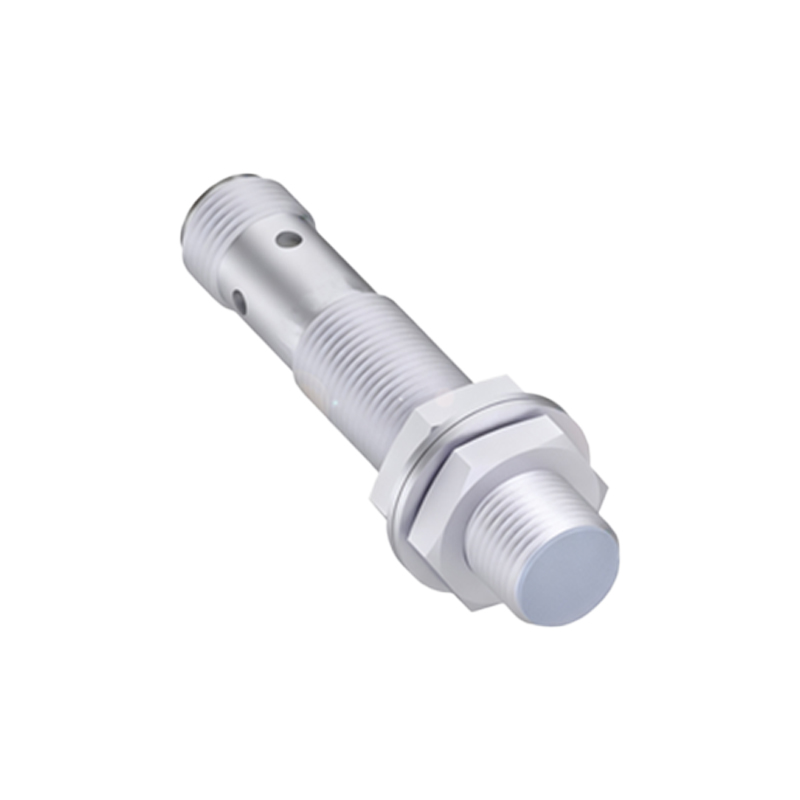
Core Functions and Operational Principle
The fundamental role of the knob is to interface with the sensor's internal circuitry. Mechanically, it is connected to a potentiometer, a rotary encoder, or a multi-position switch housed within the sensor or its associated control box. When an engineer rotates the knob, it changes the electrical resistance, generates digital pulses, or selects different circuit paths. This adjustment directly influences key parameters. For instance, turning a sensitivity knob alters the gain of the sensor's amplifier, determining the smallest detectable object or the exact point of switching. A range adjustment knob might modify the oscillator level in an inductive sensor, changing the effective sensing distance. This manual configurability is essential for fine-tuning the sensor to account for different target materials, environmental conditions, or varying process requirements.
Key Design Characteristics and Materials
Proximity sensor knobs are engineered for durability and clear operation in harsh industrial environments. They are commonly constructed from high-strength thermoplastics or metals with textured surfaces or fluted edges to provide a firm grip, even when the operator is wearing gloves. Many feature a screwdriver slot for adjustments with a tool, preventing accidental or unauthorized changes. A crucial design aspect is the inclusion of a visual indicator, such as a pointer line or dot, which aligns with a graduated scale printed on the sensor housing. This scale, often marked with arbitrary units (e.g., 1-10) or specific metrics (e.g., millimeters), allows for repeatable settings. Sealing is paramount; knobs are designed with O-rings or labyrinth seals to achieve high Ingress Protection (IP) ratings, safeguarding the internal electronics from dust, coolants, and washdown procedures.
Integration with Different Sensor Technologies
The design and function of the knob vary slightly depending on the underlying sensor technology. In inductive proximity sensors, knobs are predominantly used for sensitivity adjustment to compensate for different metals or to ignore background metal. Capacitive sensor knobs often control sensitivity to detect materials with varying dielectric constants, like liquids through a container wall. For photoelectric sensors with built-in amplifiers, knobs may adjust light reception sensitivity (for overcoming lens contamination or varying target reflectivity) or set a timing function. In more advanced digital sensors, a single knob might serve as a multi-functional controller, used to navigate parameter menus displayed on a small integrated screen, with a push-button function for selection.
Application Scenarios in Industrial Automation
These adjustment knobs find ubiquitous application across factory floors. On a conveyor system, an engineer might use the knob on a photoelectric sensor to fine-tune its beam so it reliably detects transparent plastic bottles but ignores conveyor vibration. In a metal stamping press, the knob on an inductive proximity sensor is adjusted to ensure it precisely detects the end-of-stroke position of a steel piston rod. Machine setup and changeover procedures heavily rely on these manual adjustments to quickly reconfigure sensor points for different product batches. Maintenance technicians use them to diagnose issues; temporarily increasing sensitivity can help determine if a sensor is failing or if a target is simply out of nominal range.
Selection Criteria and Best Practices
Selecting the appropriate sensor with a suitable knob involves several considerations. The required adjustment resolution is key: a simple on/off detection might only need a coarse potentiometer-based knob, while precise positioning applications demand a high-resolution encoder-based knob. The environmental exposure dictates the needed sealing (IP67/IP69K for washdown areas). The knob's size and type must allow for easy access and operation within the machine's panel layout. Best practices for use include making adjustments with the correct tool (if applicable), marking the "sweet spot" setting with a paint pen for future reference, and always consulting the sensor's datasheet to understand the exact parameter being adjusted to avoid unintended machine behavior.
Advantages Over Fixed-Parameter Sensors
The inclusion of an adjustment knob provides significant flexibility and cost-efficiency. It allows a single sensor model to be deployed in