In the world of industrial automation and smart devices, a small component plays a colossal role in enabling seamless, contactless operation: the proximity switch sensor. Unlike mechanical switches that require physical touch, these electronic workhorses detect the presence or absence of an object within a specific range without any direct contact. This fundamental principle unlocks a world of reliability, speed, and durability across countless applications.
At its core, a proximity sensor generates an electromagnetic field or a beam of radiation. When a target object enters this field, it causes a change in the signal. The sensor's circuitry detects this disturbance and converts it into a clean electrical output signal, typically turning a solid-state switch "on" or "off." This simple action forms the basis for complex automation tasks.
Several key technologies dominate the proximity sensor landscape, each with unique strengths. Inductive proximity sensors are among the most common. They generate an oscillating electromagnetic field and are exclusively used for detecting metallic objects, primarily ferrous metals like steel and iron. When a metal target enters the field, it induces eddy currents, which dampen the oscillation and trigger the switch. These sensors are prized for their robustness, resistance to dirt and moisture, and high switching frequency, making them ideal for machine tools, conveyor systems, and robotic arms.
For applications requiring detection of non-metallic materials—such as wood, plastic, glass, or liquids—capacitive proximity sensors are the go-to choice. They function by measuring changes in capacitance. The sensor forms one plate of a capacitor, with the target object acting as the other plate. As the object approaches, the capacitance increases until it reaches a threshold that triggers the switch. This makes them perfect for level detection in tanks, material handling, and presence detection of packaged goods.
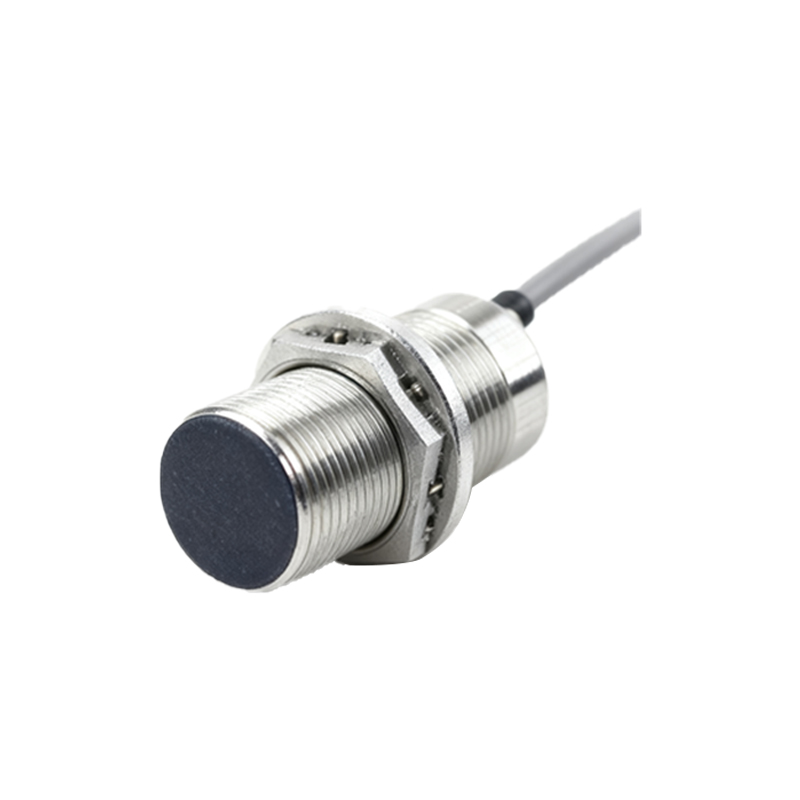
Another major category is the photoelectric proximity sensor. These devices use a light emitter (usually LED) and a receiver. They detect an object by either sensing the interruption of a light beam (through-beam), the reflection from the object (retro-reflective), or the reflection diffused from the object itself (diffuse reflective). Photoelectric sensors offer the longest sensing ranges and can detect virtually any material, provided it affects the light beam. They are ubiquitous in packaging lines, security systems, and automated door controls.
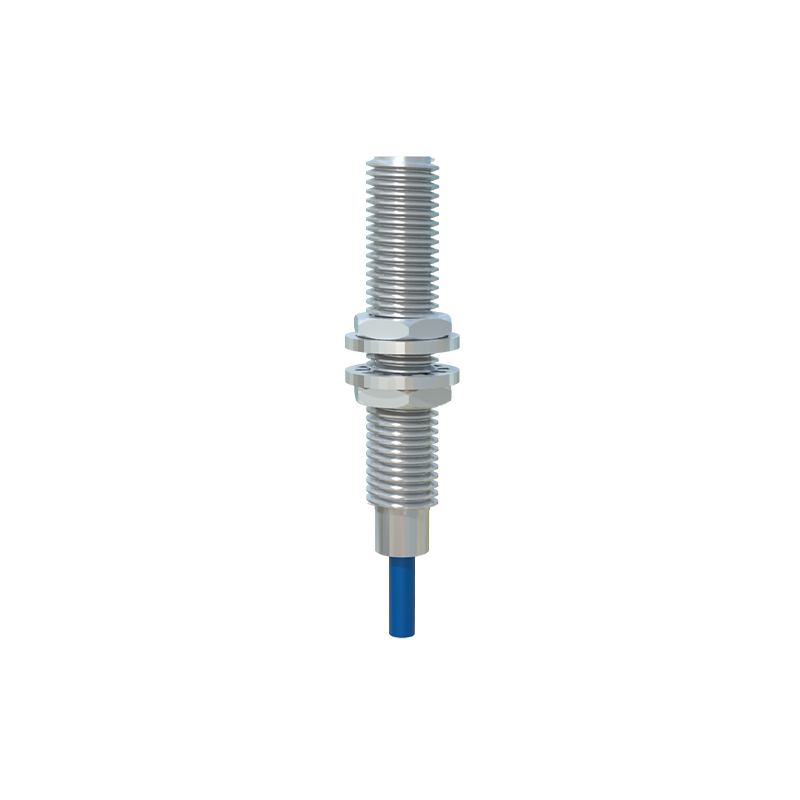
Ultrasonic proximity sensors complete the primary quartet. They work on a principle similar to sonar, emitting high-frequency sound waves and listening for the echo. The time taken for the echo to return is used to calculate distance. They excel in harsh environments where dust, smoke, or target color could confuse other sensors and are excellent for precise distance measurement and level sensing of bulk materials or clear liquids.
Selecting the right proximity switch involves a careful analysis of several factors. The nature of the target material is paramount—metal, non-metal, liquid, or transparent? The required sensing distance, or "range," is critical and varies dramatically between technologies. Environmental conditions like temperature extremes, presence of washdown chemicals, or explosive atmospheres dictate the required housing material and protection rating (e.g., IP67). Electrical characteristics, such as the output type (PNP/NPN, NO/NC) and supply voltage, must match the control system. Finally, the physical form factor—barrel-shaped, rectangular, or ring-shaped—must fit the mechanical installation.
The advantages of using proximity switches are compelling. Their non-contact nature eliminates mechanical wear, leading to a vastly longer operational life compared to limit switches. They provide high-speed, reliable operation for fast-moving production lines. Being solid-state, they are resistant to vibration and shock. Furthermore, they can detect fragile or soft objects without applying any force that might cause damage.
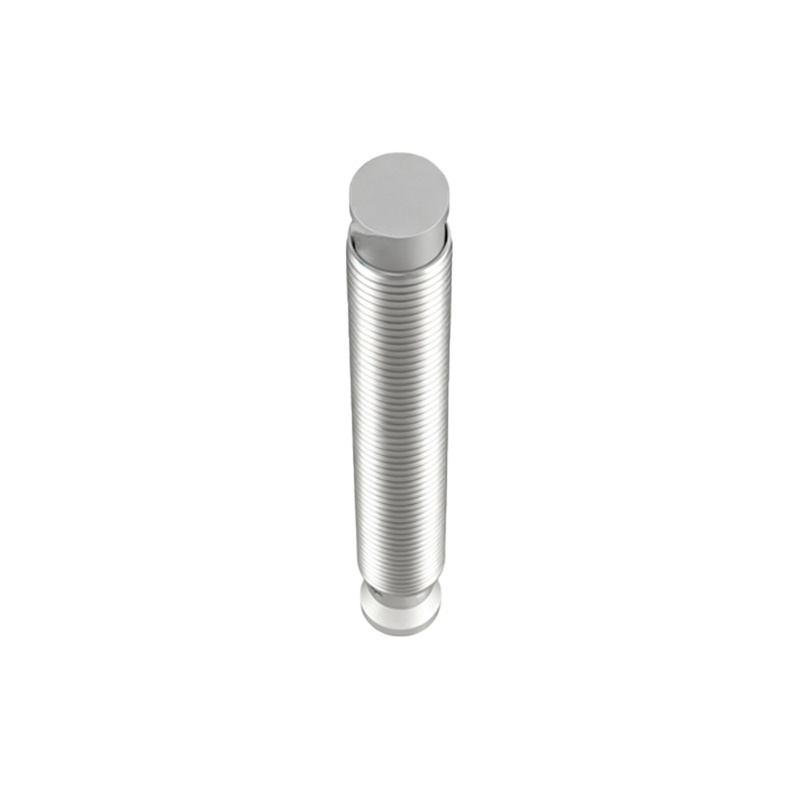
From counting bottles on a high-speed filler to ensuring a robotic gripper is in position, from preventing elevator doors from closing on a passenger to verifying a metal part is present before a machining cycle, proximity sensors are the silent, unseen guardians of efficiency and safety. Their continued evolution, with trends toward miniaturization, IO-Link digital communication for diagnostics, and enhanced resistance to environmental interference, ensures they will remain a foundational technology in our increasingly automated world.