Introduction to Proximity Sensors
Proximity sensors are non-contact electronic devices designed to detect the presence or absence of objects within a specified range without physical contact. Widely utilized across industrial automation, automotive systems, robotics, and consumer electronics, these sensors enhance operational efficiency, safety, and precision. They function by emitting electromagnetic fields, beams, or radiation and analyzing changes in the return signal. Key advantages include high reliability, long service life, and resistance to environmental factors like dust, oil, or moisture. Understanding their fundamental principles is essential for selecting the appropriate type for specific applications, ensuring optimal performance in diverse settings.
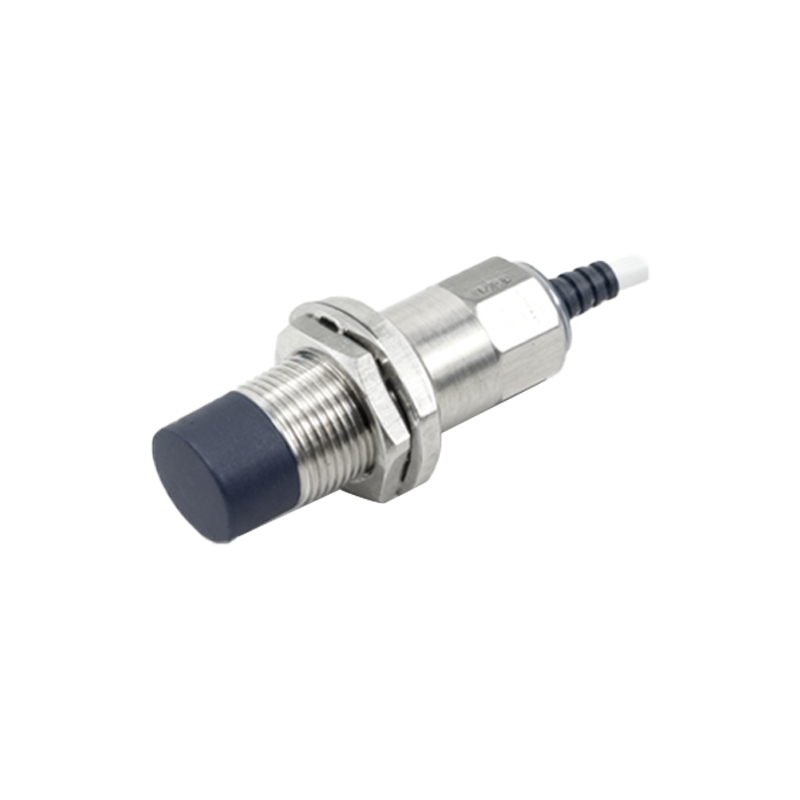
Inductive Proximity Sensors
Inductive proximity sensors are specifically engineered to detect metallic objects. They operate by generating an oscillating electromagnetic field from a coil and oscillator circuit. When a metal target enters this field, it induces eddy currents, causing a change in oscillation amplitude that triggers the sensor's output. Common models include cylindrical designs (e.g., M8, M12, M18, M30 threaded housings) and rectangular variants, with sensing ranges typically from 1 to 60 mm. These sensors are ideal for harsh industrial environments due to their robustness and immunity to non-metallic interference. Applications include position sensing in machinery, metal detection in conveyor systems, and part counting in manufacturing lines.
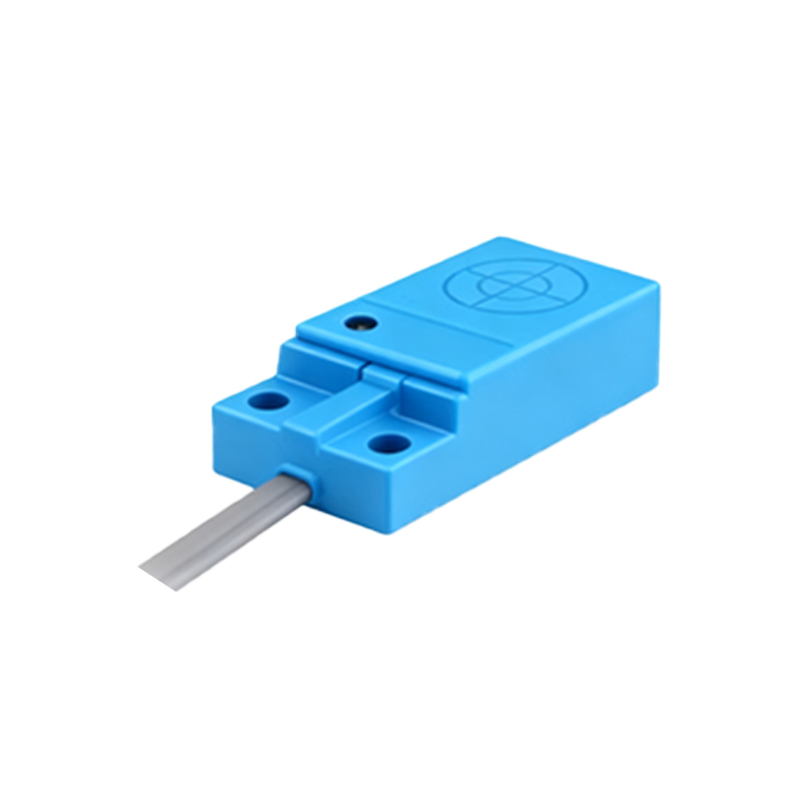
Capacitive Proximity Sensors
Capacitive proximity sensors can detect both metallic and non-metallic materials, such as liquids, plastics, glass, or wood. They work by measuring changes in capacitance between the sensor's electrode and the target object. When an object approaches, it alters the dielectric constant of the surrounding space, modifying the capacitance and activating the sensor. Available in compact sizes with sensing distances up to 40 mm, these sensors are versatile for use in level detection (e.g., liquid tanks), material handling, and packaging industries. Models often feature adjustable sensitivity to filter out background interference, making them suitable for complex environments.
Ultrasonic Proximity Sensors
Ultrasonic proximity sensors utilize sound waves at frequencies beyond human hearing (typically 20 kHz to 200 kHz) to detect objects. They emit ultrasonic pulses and measure the time taken for echoes to return, calculating distance based on sound speed. These sensors excel in detecting a wide variety of materials, regardless of color or transparency, with ranges extending from a few centimeters to several meters. Common models include through-beam, retro-reflective, and diffuse reflection types. Applications encompass distance measurement, object positioning, and liquid level monitoring in challenging conditions like fog or dust. Their non-contact nature ensures minimal wear and high accuracy.
Photoelectric Proximity Sensors
Photoelectric proximity sensors detect objects using light beams, usually infrared, visible, or laser light. They consist of an emitter and receiver; when an object interrupts or reflects the light beam, the sensor triggers an output signal. Key types include through-beam (long-range, high accuracy), retro-reflective (uses a reflector), and diffuse reflective (senses reflected light from the object). Sensing distances vary from a few millimeters to over 100 meters, depending on the model. These sensors are prevalent in automation for tasks like counting, sorting, and edge detection, offering fast response times and versatility across industries.
Magnetic Proximity Sensors
Magnetic proximity sensors, or reed switches, detect magnetic fields generated by permanent magnets or electromagnets. They consist of ferromagnetic reeds sealed in a glass tube; when a magnetic field is present, the reeds contact each other, closing the circuit. These sensors are compact, energy-efficient, and suitable for hazardous or explosive environments due to their sealed design. Common models include cylindrical and flat configurations, with applications in position sensing (e.g., door closures), security systems, and automotive ignition systems. Their simplicity ensures reliability in low-power scenarios.
Selection Criteria and Model Examples
Choosing the right proximity sensor involves evaluating factors like sensing distance, target material, environmental conditions, output type (e.g., NPN, PNP, analog), and housing design. For instance, inductive models like Omron E2E or Pepperl+Fuchs NBN series are preferred for metal detection, while capacitive sensors like SICK C series handle diverse materials. Ultrasonic options such as Banner Q45U offer long-range detection, and photoelectric sensors like Keyence FU series provide high-speed response. Always consult datasheets for specifications like IP ratings, temperature ranges, and electrical connections to ensure compatibility with your system.
Conclusion and Industry Trends
Proximity sensors are indispensable in modern automation, driving advancements