Introduction to Photoelectric Sensors in Logistics
Photoelectric sensors are pivotal components in modern logistics systems, enabling automation, efficiency, and reliability. These devices operate by emitting a light beam—typically infrared, visible, or laser—and detecting changes in the received light to sense the presence, absence, or position of objects. In logistics, they are integral to conveyor belt control, inventory management, package sorting, and safety mechanisms. The design of photoelectric sensors for this sector must account for harsh environments, high-speed operations, and diverse material types, ensuring minimal errors and downtime. As logistics evolves with trends like e-commerce and smart warehousing, sensor technology adapts to meet demands for precision and connectivity.
Core Operating Principles
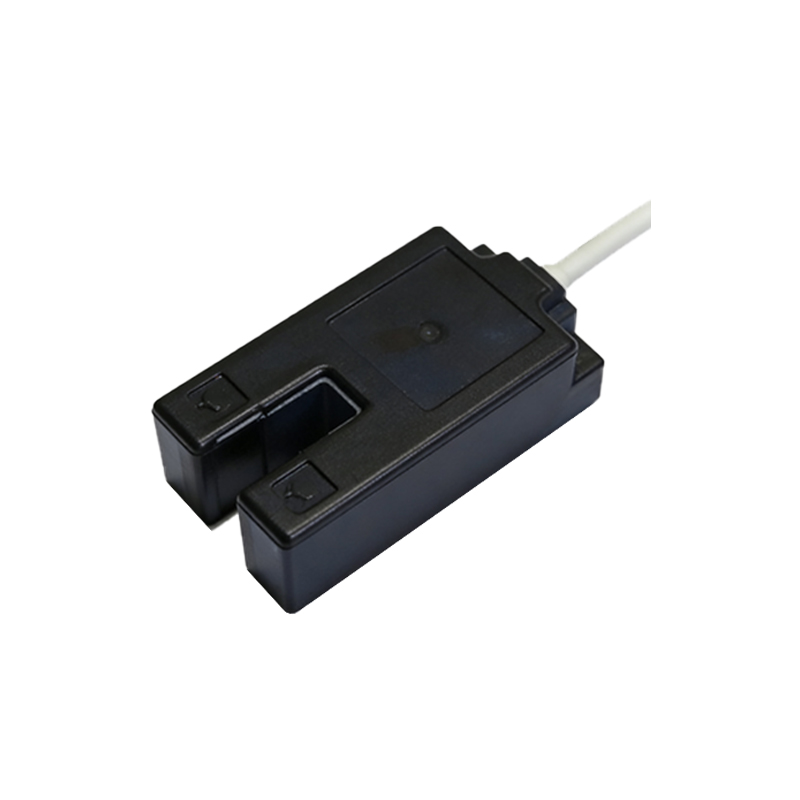
The fundamental principle of photoelectric sensors involves light emission and reception. A transmitter projects light toward a target, and a receiver analyzes the reflected or transmitted light. Three primary modes are used in logistics: through-beam, retro-reflective, and diffuse-reflective. Through-beam sensors have separate emitter and receiver units, offering long-range detection and high accuracy by measuring light interruption. Retro-reflective sensors use a reflector to bounce light back to the receiver, suitable for medium distances. Diffuse-reflective sensors detect light scattered off objects, ideal for close-range applications where reflectors are impractical. Designers select modes based on factors like object size, surface texture, and environmental interference.
Key Design Considerations
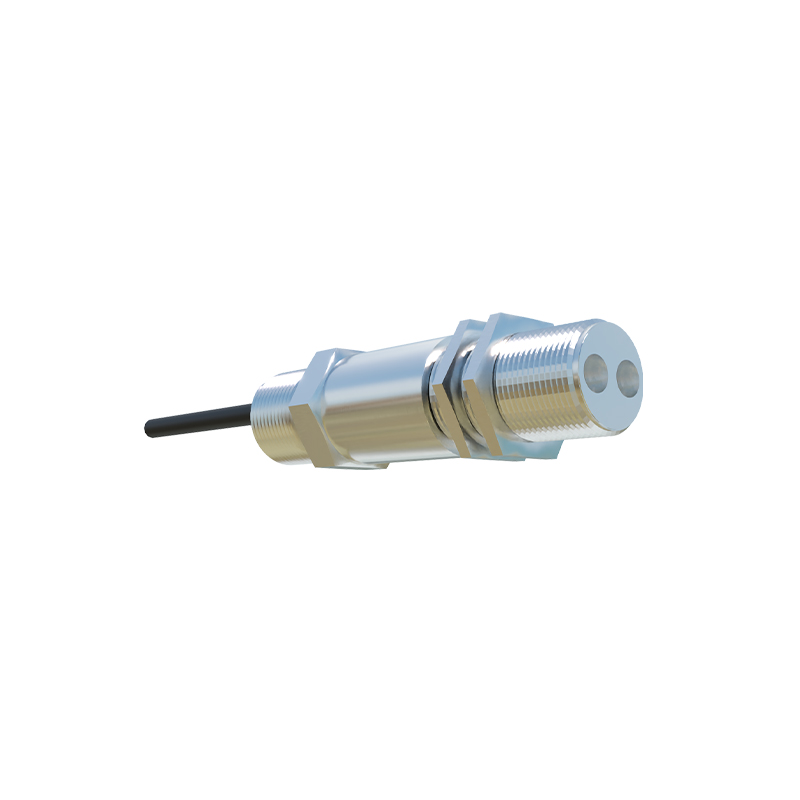
Designing photoelectric sensors for logistics requires addressing multiple technical aspects. First, light source selection is critical: infrared LEDs provide energy efficiency and resistance to ambient light, while laser diodes enable precise positioning for sorting tasks. Second, sensing range must be optimized; logistics often involves varying object distances, necessitating adjustable or programmable sensors. Third, environmental robustness is essential—sensors must withstand dust, vibrations, temperature fluctuations, and moisture common in warehouses. Enclosures are typically rated IP67 or higher for protection. Fourth, response time is crucial for high-speed conveyors; modern sensors achieve millisecond-level reactions to prevent bottlenecks.
Integration with Logistics Systems
Effective sensor design extends beyond hardware to integration with broader logistics systems. Photoelectric sensors interface with programmable logic controllers (PLCs) and industrial networks like Ethernet/IP or PROFINET, enabling real-time data exchange. In automated storage and retrieval systems (AS/RS), sensors provide feedback on package location, triggering robotic arms or diverters. Advanced designs incorporate IoT capabilities, allowing sensors to transmit diagnostic data for predictive maintenance, reducing failures. Additionally, synchronization with barcode scanners or RFID readers enhances tracking accuracy. Designers must ensure compatibility with industry standards and software protocols to facilitate seamless operation.
Challenges and Innovations
Logistics environments pose unique challenges for photoelectric sensor design. Variable object materials—from glossy plastic to corrugated cardboard—can affect light reflection, requiring sensors with background suppression or polarization filters. High ambient light from warehouse lighting may cause false triggers, mitigated by modulated light signals and spectral filtering. Innovations are addressing these issues: smart sensors with self-adjusting sensitivity reduce setup time, while fiber-optic variants allow detection in tight spaces. Emerging trends include miniaturization for compact installations and energy-efficient designs to support sustainable logistics. Research into AI-enhanced sensors aims to improve object recognition and anomaly detection.
Future Directions in Sensor Technology
The future of photoelectric sensors in logistics is shaped by automation and digitalization. Industry 4.0 initiatives drive demand for sensors with embedded intelligence, capable of edge computing for faster decision-making. Wireless sensor networks will eliminate cabling constraints, enhancing flexibility in warehouse layouts. Additionally, advancements in multispectral sensing may enable material identification beyond mere presence detection. As logistics embraces robotics and autonomous vehicles, sensors will play a key role in navigation and collision avoidance. Designers are focusing on scalability and cost-effectiveness to support widespread adoption, ensuring sensors remain a cornerstone of efficient supply chains.