Introduction to Proximity Sensing Technology
Proximity sensors are indispensable components in modern industrial automation, robotics, and consumer electronics. These non-contact devices detect the presence or absence of an object within a specified range without any physical contact. The fundamental principle involves emitting an electromagnetic field or a beam of radiation and analyzing the changes in the return signal or field. This technology enables precise, reliable, and rapid detection, crucial for applications like object counting, position verification, limit switching, and safety interlocks. The evolution from basic inductive sensors to sophisticated multi-technology models reflects the growing demand for precision, miniaturization, and intelligence in automated systems across all sectors.
Inductive Proximity Sensors: Models and Visual Guide
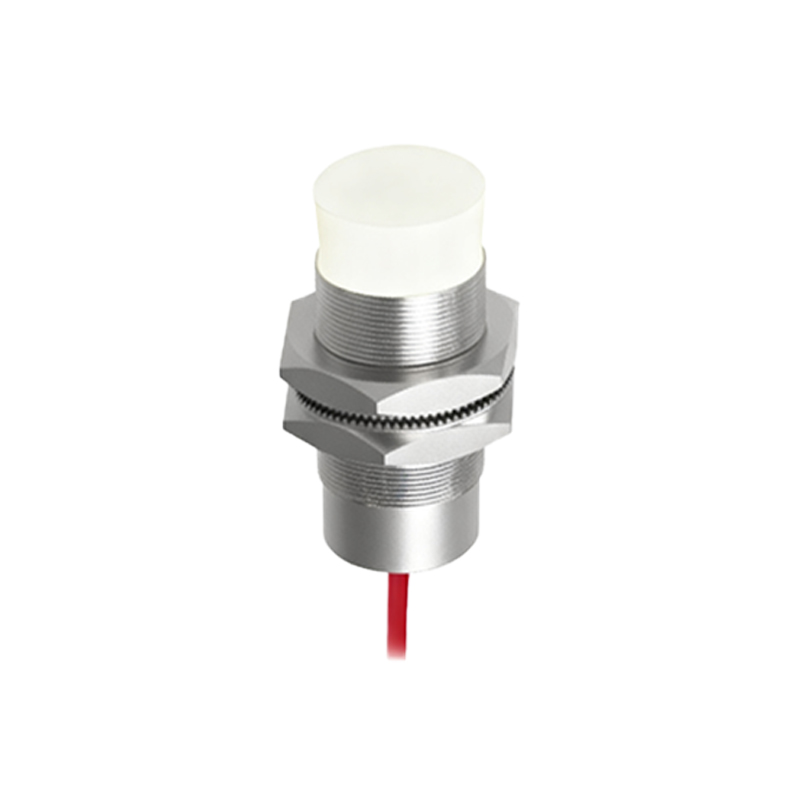
Inductive proximity sensors are designed to detect metallic objects, primarily ferrous metals like iron and steel, though some models can sense non-ferrous metals. They operate by generating an oscillating electromagnetic field from a coil. When a metal object enters this field, it induces eddy currents, causing a change in oscillation amplitude that triggers the sensor's output. Common housing styles include cylindrical barrels (e.g., M8, M12, M18, M30 threaded models), rectangular block types, and ring-shaped sensors for detecting small parts. Key model series from manufacturers like Siemens (3RG series), Omron (E2E, E2A), Pepperl+Fuchs (NBB, NJ), and Schneider Electric (XS) offer variants with different sensing ranges (from 1mm to 40mm), output types (PNP/NPN, NO/NC), and connection methods (pre-wired, quick-disconnect). Images typically showcase their robust, metal or polymer housings, LED status indicators, and standardized mounting hardware, highlighting their durability for harsh industrial environments.
Capacitive Proximity Sensors: Varieties and Illustrations
Capacitive sensors can detect both metallic and non-metallic materials, including liquids, plastics, glass, and wood. They function by measuring changes in capacitance. The sensor forms one plate of a capacitor, with the target object acting as the other plate. As the object approaches, the capacitance increases until it reaches a threshold that switches the output. Models often resemble inductive sensors in form factor but may feature adjustable sensitivity potentiometers. They are ideal for level detection of liquids or granular materials, and for sensing through non-metallic container walls. Popular series include Balluff (BCM series), IFM Electronic (CR series), and SICK (C series). Photographs of these models often emphasize their application versatility, showing them detecting powder levels in hoppers or liquid in tanks, with diagrams illustrating their field pattern and material penetration capability.
Ultrasonic Proximity Sensors: Types and Pictorial Overview
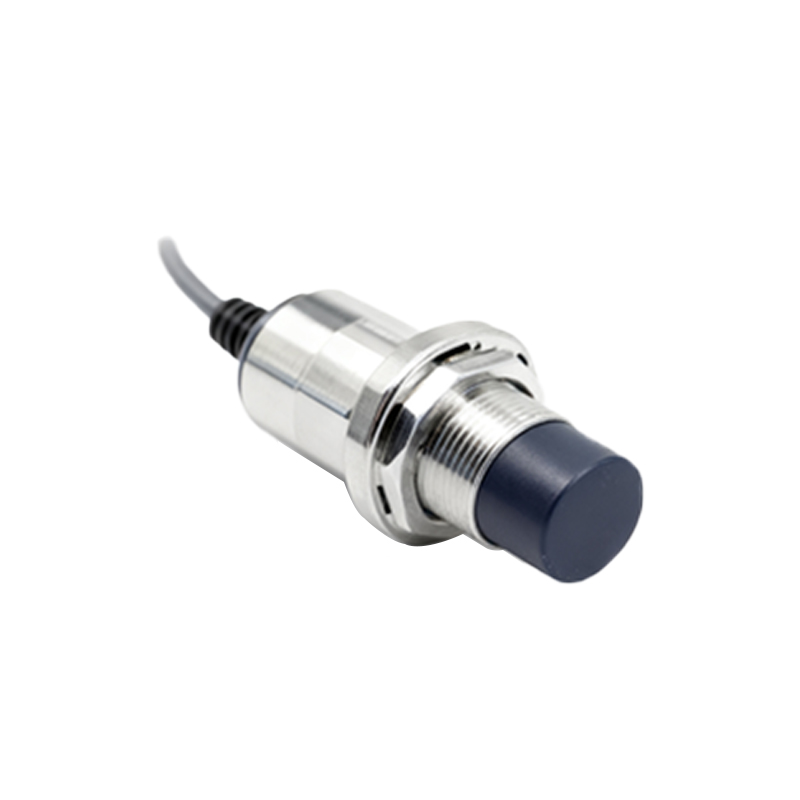
Ultrasonic sensors use sound waves beyond human hearing to detect objects and measure distance. They emit high-frequency sound pulses and calculate the time for the echo to return. This technology allows for precise distance measurement and detection of objects regardless of color, transparency, or material (except sound-absorbing surfaces). Models range from compact, barrel-shaped sensors for short-range detection to larger, rectangular sensors with extended ranges (up to several meters). They are categorized into through-beam (separate emitter and receiver) and diffuse-reflective (single unit) types. Brands like Banner Engineering (Q45 series), SICK (UM30, UM18), and Keyence (FU series) offer advanced models with analog outputs, temperature compensation, and teach-in functionality. Images depict their transducer faces, often made of epoxy or Teflon, and application shots in challenging conditions like detecting clear glass bottles or monitoring bulk material levels.
Photoelectric Sensors: Key Models and Image Gallery
Photoelectric sensors detect objects using a light beam, typically infrared, visible red, or laser. They are highly versatile and offer the longest sensing ranges among proximity sensors. The main types are through-beam (opposed), retro-reflective, and diffuse (proximity) modes. Through-beam models consist of separate emitter and receiver units, providing the most reliable long-range detection. Retro-reflective types use a single unit and a reflector, while diffuse sensors rely on light reflected directly from the target. Models vary from tiny, tubular designs (e.g., M5 size) for PCB mounting to large, rectangular housings for heavy-duty use. Leading manufacturers include SICK (WTT, WL series), Omron (E3Z, E3S), and Rockwell Automation (Allen-Bradley 42JR). A comprehensive image gallery would show the distinct lens designs, alignment indicators, and diverse applications, from detecting tiny electronic components on a conveyor to positioning large pallets in a warehouse.