Introduction to Proximity Switch Sensors
In the intricate world of industrial automation, proximity switch sensors stand as fundamental, non-contact detection devices. These electronic sensors are engineered to detect the presence or absence of an object within a specified range without any physical contact. Operating on various principles such as electromagnetic, capacitive, or optical, they generate an output signal when a target object enters their sensing field. This capability makes them indispensable for countless applications where reliability, speed, and durability are paramount. Their non-contact nature eliminates mechanical wear and tear, ensuring a long operational life and minimal maintenance, which is a critical advantage in high-cycle production environments.
Core Functions and Operational Principles
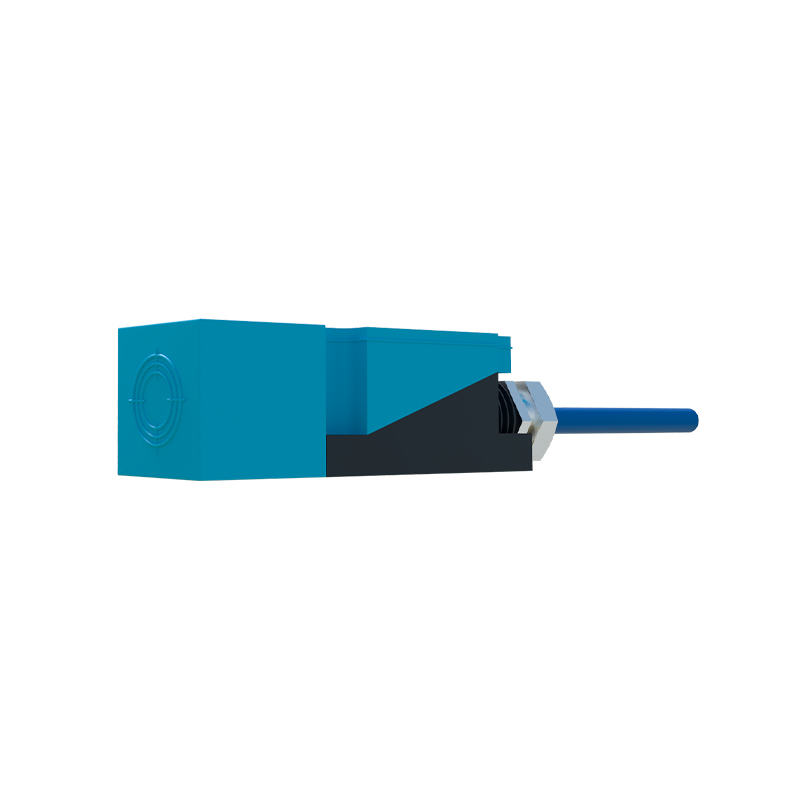
The primary utility of a proximity sensor lies in its ability to perform precise detection tasks. Inductive proximity sensors, for instance, generate an electromagnetic field and detect eddy current losses induced in metallic targets. Capacitive sensors can detect both metallic and non-metallic materials by sensing changes in capacitance. Ultrasonic and photoelectric sensors use sound waves and light beams, respectively. When an object disrupts this field or beam, the sensor's internal oscillator is damped or the received signal changes, triggering a solid-state output switch. This switch typically controls a relay, PLC input, or other control devices, initiating or halting a process sequence with exceptional accuracy and repeatability.
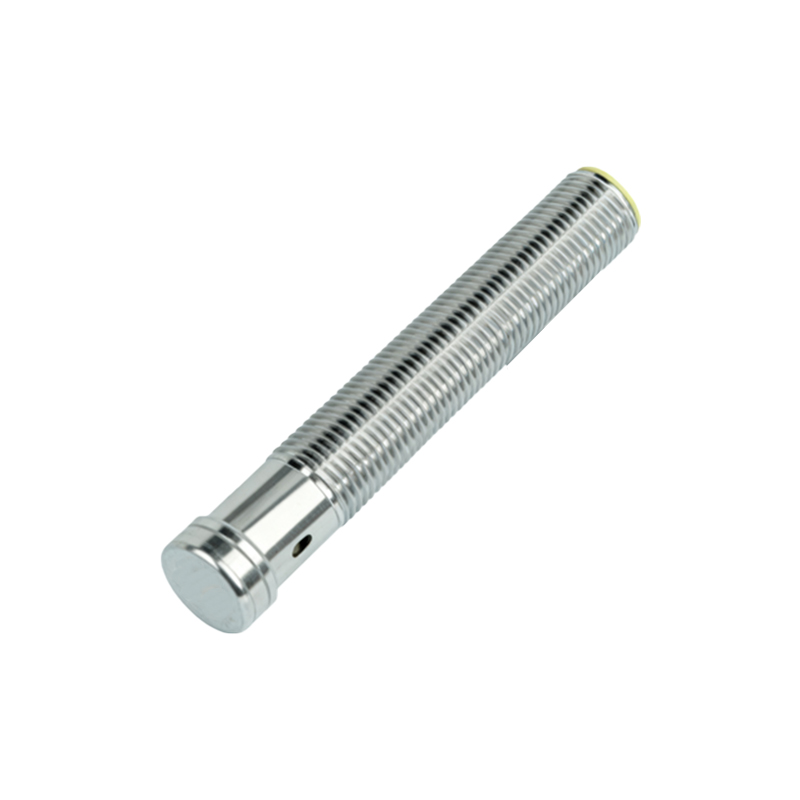
Key Applications in Manufacturing and Assembly
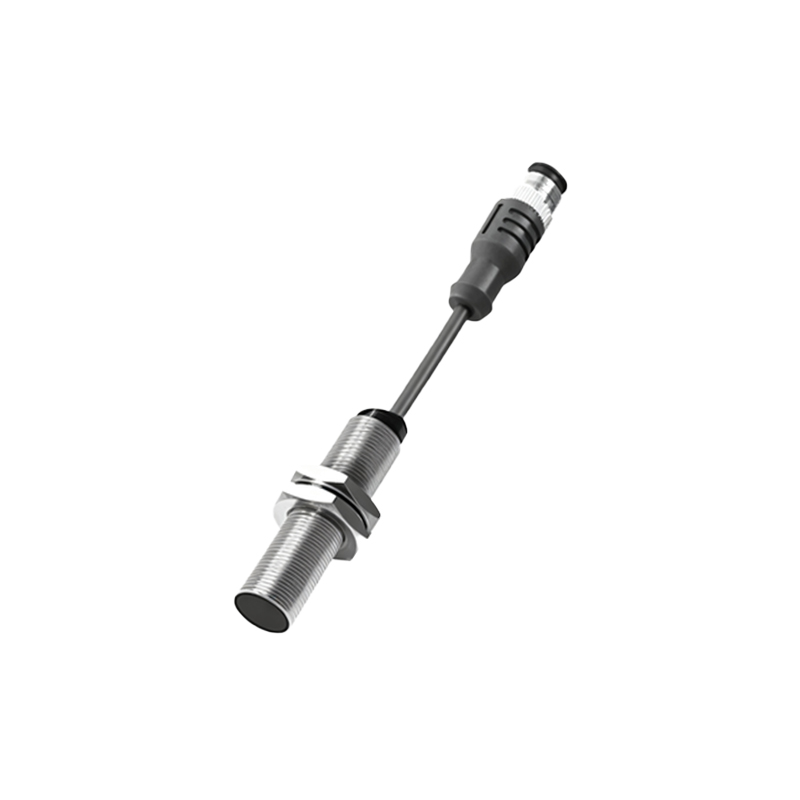
On factory floors, proximity sensors are ubiquitous. They are crucial for part presence verification on conveyor lines, ensuring components are correctly positioned before a robotic arm performs an operation. In automated assembly, they count products, control sorting gates, and verify that parts have been fitted. Machine tools rely on them for tool positioning, spindle orientation, and end-of-travel limit sensing. Their robustness allows them to function in harsh conditions with exposure to coolants, metal chips, and vibrations, where mechanical limit switches would fail. This reliability directly contributes to reduced downtime and improved Overall Equipment Effectiveness (OEE).
Enhancing Safety and Precision Control
Beyond basic detection, these sensors play a vital role in safety and precision control systems. They are integral to safety interlock systems, ensuring machine guards are closed before operation commences, thereby protecting personnel. In precision applications, such as CNC machining or robotic welding, they provide feedback for positional accuracy, enabling closed-loop control for high-tolerance work. Analog-output proximity sensors can even measure the distance to a target, providing continuous data for more complex control algorithms. This function is essential in applications like tension control in web processing or gap control in material handling.
Advantages Over Mechanical Switches
The advantages of proximity switches over traditional mechanical switches are substantial. Their non-contact operation means no moving parts to wear out, leading to a virtually infinite lifespan in terms of switching cycles. They can operate at very high speeds, detecting objects passing at rates impossible for a mechanical lever to follow. They are also immune to contamination from dust, oil, and moisture when properly rated (e.g., IP67). Furthermore, they provide a clean, bounce-free electrical signal to controllers, eliminating the signal noise associated with mechanical contact arcing and bouncing. This results in more stable and reliable system performance.
Selection Criteria and Integration
Selecting the right proximity sensor requires careful consideration of several factors. The material of the target object (metal, plastic, liquid) determines whether an inductive, capacitive, or ultrasonic sensor is needed. The required sensing distance, operating frequency (response speed), and output type (PNP/NPN, NO/NC) must match the application's control logic. Environmental conditions like temperature extremes, chemical exposure, and electrical noise influence the housing material and shielding. Proper installation and alignment are critical, as is ensuring the sensor is connected to a compatible power supply and load. Integration with PLCs and industrial networks is typically straightforward, given their standardized output signals.
Future Trends and Smart Sensor Capabilities
The evolution of proximity sensors is aligned with Industry 4.0 trends. Modern "smart" sensors incorporate IO-Link communication, allowing them to transmit not just a simple on/off signal but also detailed diagnostic data like operating temperature, signal strength, and remaining lifespan to a central controller. This enables predictive maintenance, where potential failures can be anticipated and addressed before causing production stoppages. Furthermore, miniaturization continues, allowing sensors to be installed in increasingly tight spaces without sacrificing sensing performance. The integration of advanced materials and signal processing algorithms also enhances their ability to discriminate between different target materials and ignore background interference.
Conclusion: The Indispensable Workhorse
In summary, proximity switch sensors are the silent, reliable workhorses of industrial automation. Their usefulness extends from simple object detection to enabling complex, safe