Introduction to Photoelectric Sensing Technology
Photoelectric sensors are widely used in industrial automation for detecting objects based on light reflection or interruption. These sensors typically consist of a light emitter (such as an LED or laser) and a receiver. When light hits an object, it may be reflected, absorbed, or transmitted, depending on the object's surface properties. The receiver detects changes in light intensity to determine the presence or absence of an object. This technology is highly effective for most materials but encounters significant challenges with black objects, leading to detection failures in many applications.
The Science Behind Light Absorption by Black Surfaces
Black surfaces absorb most of the visible light spectrum, reflecting very little back to the sensor's receiver. In photoelectric sensing, detection relies on the amount of light reflected or blocked. For instance, diffuse reflective sensors measure light bounced off an object, while retro-reflective sensors use a reflector to return light. With black objects, absorption rates can exceed 90%, drastically reducing the signal received. This low reflectance means the sensor may not register enough change to trigger detection, causing errors in production lines, packaging systems, and quality control processes.
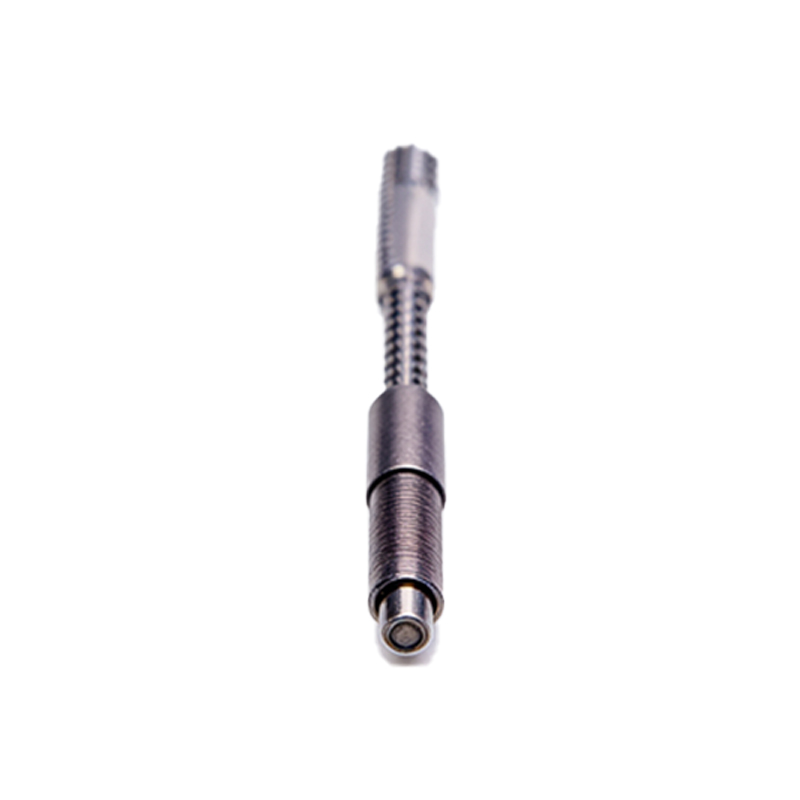
Common Types of Photoelectric Sensors and Their Limitations
Several photoelectric sensor types are affected differently by black objects. Diffuse reflective sensors, which detect objects based on direct reflection, struggle the most due to minimal light return. Retro-reflective sensors, which rely on a separate reflector, can fail if the object absorbs too much light before it reaches the reflector. Through-beam sensors, with separate emitter and receiver units, are more reliable as they detect interruptions in the light beam, but even these can be compromised if the object is highly light-absorbent and thin. Understanding these limitations is crucial for selecting the right sensor in industrial settings.
Industrial Implications of Detection Failures
In manufacturing and automation, undetected black objects can lead to serious issues. For example, in conveyor systems, black items might be missed during sorting or counting, causing inventory inaccuracies. In robotic applications, failure to detect black components can result in misalignment or assembly errors. These problems often result in downtime, increased costs, and reduced efficiency. Industries like automotive, textiles, and electronics, where black materials are common, face heightened risks, necessitating tailored solutions to maintain operational integrity.
Solutions for Detecting Black Objects
To overcome detection challenges, engineers can employ various strategies. Using sensors with higher sensitivity or adjustable gain settings can enhance signal reception. Switching to through-beam sensors often improves reliability, as they depend on beam interruption rather than reflection. Additionally, selecting sensors with infrared or laser light sources, which have different absorption characteristics, may yield better results. Another approach involves modifying the environment, such as adding contrasting backgrounds or using supplemental lighting to increase reflectance from black surfaces.
Advanced Technologies and Sensor Innovations
Recent advancements offer more robust solutions. Background suppression sensors use triangulation to measure distance, reducing the impact of color and surface reflectivity. Color mark sensors are designed to detect specific contrasts, making them suitable for black-on-black applications. Furthermore, smart sensors with digital signal processing can filter noise and adapt to varying conditions. These innovations are increasingly integrated into Industry 4.0 systems, providing real-time data and improving detection accuracy for challenging materials like black objects.
Best Practices for Implementation and Maintenance
When deploying photoelectric sensors for black object detection, proper installation and calibration are key. Engineers should conduct thorough testing under actual operating conditions to optimize sensor placement and settings. Regular maintenance, including cleaning lenses and checking alignments, prevents performance degradation. It's also advisable to consult sensor manufacturers for application-specific recommendations, as they can provide insights into the latest models and technologies suited for high-absorption materials.
Conclusion and Future Outlook
While photoelectric sensors face inherent difficulties with black objects due to light absorption, technological progress continues to mitigate these issues. By understanding the underlying principles and leveraging advanced solutions, industries can enhance detection reliability. Future developments may focus on AI-driven sensors that adapt dynamically to surface variations, further reducing errors. As automation evolves, addressing such challenges will remain critical for achieving seamless and efficient industrial operations.