Introduction to Snap-in Miniature Photoelectric Sensors
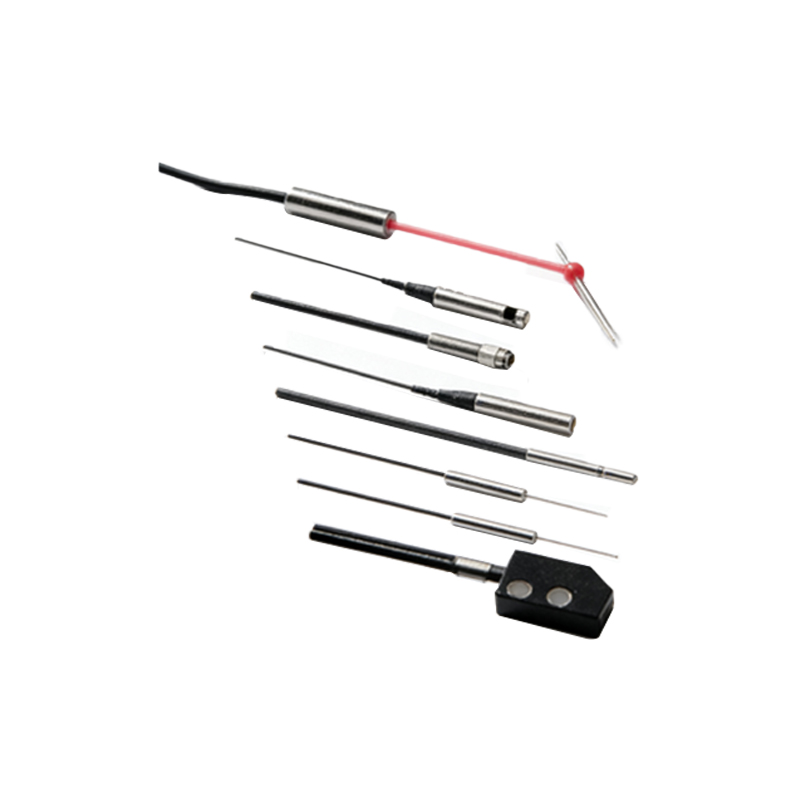
Snap-in miniature photoelectric sensors represent a significant advancement in industrial sensing technology, designed to meet the growing demand for compact, reliable, and easy-to-install components in automated systems. These sensors utilize light beams to detect the presence, absence, or distance of objects, making them indispensable in applications ranging from packaging and material handling to robotics and assembly lines. Their miniature form factor allows for integration into tight spaces where traditional sensors cannot fit, while the snap-in mounting mechanism simplifies installation, reducing downtime and labor costs. By emitting a light source—typically infrared, visible red, or laser—and measuring the reflection or interruption, these sensors provide non-contact detection with high precision and speed, essential for modern high-throughput environments.
Key Features and Design Advantages
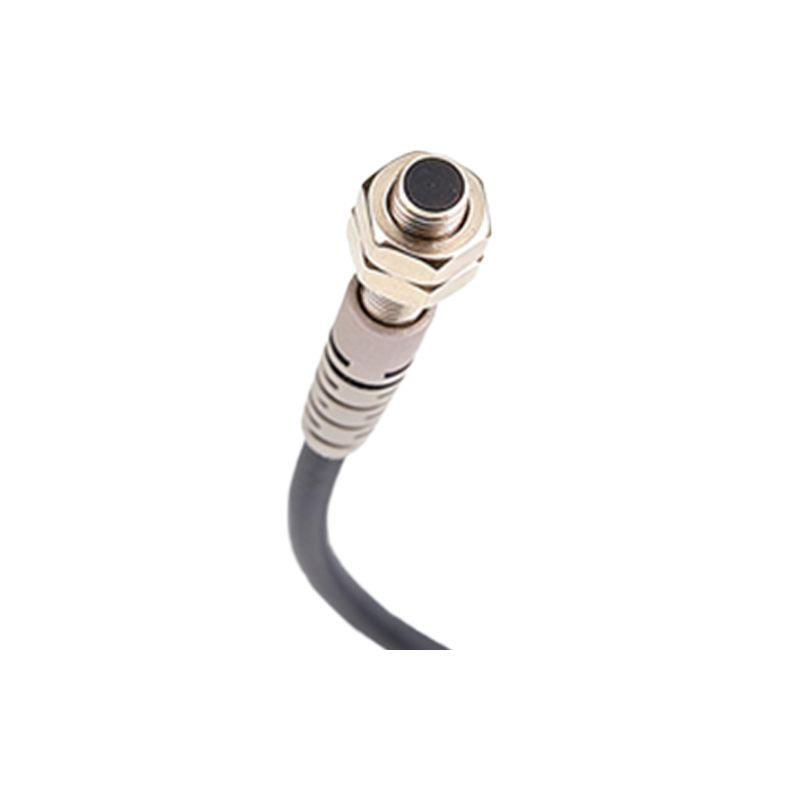
The design of snap-in miniature photoelectric sensors focuses on durability, versatility, and user convenience. Constructed from robust materials such as ABS plastic or stainless steel, they withstand harsh industrial conditions, including dust, moisture, and temperature fluctuations. The snap-in feature enables tool-less mounting, allowing operators to quickly secure the sensor into pre-drilled holes or mounting brackets, which enhances flexibility during system reconfiguration. Many models offer adjustable sensing ranges and sensitivity settings, catering to diverse applications. Additionally, these sensors often incorporate LED indicators for status monitoring and diagnostic purposes, ensuring easy maintenance and troubleshooting. Their low power consumption and compatibility with various voltage inputs (e.g., 10-30V DC) make them suitable for energy-efficient automation setups.
Operating Principles and Sensing Modes
Snap-in miniature photoelectric sensors operate based on three primary modes: through-beam, retro-reflective, and diffuse reflective. In through-beam mode, a separate emitter and receiver are aligned; an object is detected when it interrupts the light beam, offering long-range and high-accuracy detection. Retro-reflective mode uses a single unit that emits light toward a reflector, with detection occurring when the reflected beam is blocked, ideal for medium-range applications. Diffuse reflective mode relies on the sensor emitting light and detecting the reflection directly from the target object, suitable for short-range tasks where space is limited. Advanced versions may include background suppression or foreground suppression technologies to ignore irrelevant surfaces, improving reliability in complex environments. These operating principles ensure adaptability across industries, from detecting transparent bottles in food processing to positioning components in electronics manufacturing.
Applications in Industrial Automation
The compact size and snap-in design of these sensors make them highly valuable in numerous industrial sectors. In conveyor systems, they monitor product flow, count items, or detect jams, enhancing efficiency and reducing waste. Robotics applications utilize them for precise object positioning and collision avoidance, enabling smoother automated movements. In the automotive industry, they assist in assembly line quality control by verifying part presence or alignment. Packaging machinery benefits from their ability to detect labels, fill levels, or seal integrity at high speeds. Moreover, their use in medical device manufacturing ensures sterile, non-contact detection of components. The versatility of snap-in miniature photoelectric sensors supports Industry 4.0 initiatives, facilitating smart factories with real-time data collection and integration into IoT networks for predictive maintenance and optimization.
Selection Criteria and Installation Tips
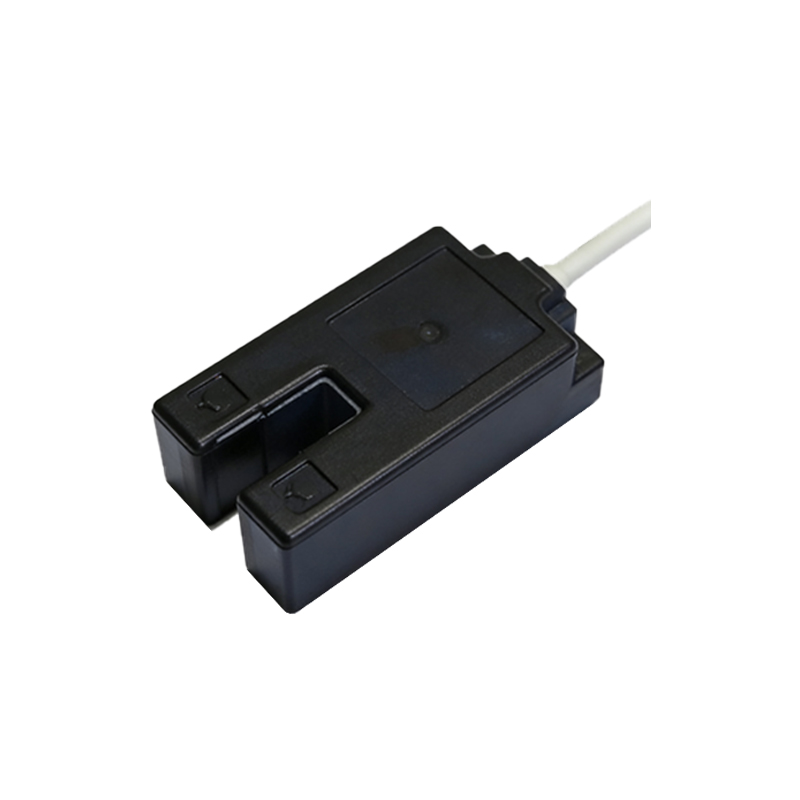
Choosing the right snap-in miniature photoelectric sensor requires considering factors such as sensing range, response time, environmental conditions, and output type (e.g., NPN, PNP, or analog). For dusty or wet areas, models with IP67 or higher ingress protection ratings are recommended. Installation involves aligning the sensor properly to avoid false triggers from ambient light or reflective surfaces. The snap-in mechanism typically involves pushing the sensor into a mounting hole until it clicks into place, ensuring a secure fit without additional fasteners. Regular calibration and cleaning of lenses maintain optimal performance. It is also crucial to verify compatibility with control systems like PLCs to ensure seamless communication. By following manufacturer guidelines and conducting periodic checks, users can maximize sensor lifespan and reliability.
Future Trends and Innovations
The future of snap-in miniature photoelectric sensors is shaped by trends toward miniaturization, enhanced connectivity, and smarter functionalities. Emerging technologies include integrated IO-Link communication for digital data exchange, enabling remote configuration and diagnostics. Advances in LED and laser diode efficiency may lead to even smaller sensors with extended ranges and higher accuracy. Additionally, the integration of AI algorithms could allow for adaptive sensing, where sensors self-adjust based on environmental changes. As industries embrace automation and sustainability, these sensors will likely evolve to support energy-saving modes and recyclable materials. Their role in collaborative robotics and flexible production lines is expected to grow, driving innovation for more compact, intelligent, and eco-friendly solutions in the global market.