Proximity sensors are ubiquitous in modern technology, silently performing critical functions in devices we use daily. At their core, these sensors detect the presence or absence of an object within a specific range without physical contact. Their operation hinges on different sensing modes, each suited to particular environments and materials. Understanding these modes is key to selecting the right sensor for any application.
The most common mode is the diffused or direct reflection mode. In this setup, the sensor emits a light beam—typically infrared or laser—and a receiver located in the same housing detects the light reflected directly from the target object. The sensor triggers when the reflected intensity surpasses a set threshold. This mode is straightforward and cost-effective, ideal for detecting objects with reflective surfaces at short to medium ranges. However, its performance can vary with the object's color, texture, and reflectivity, potentially leading to inconsistent detection.
For more reliable detection, especially with varying surface properties, the retro-reflective mode offers a robust solution. Here, the emitter and receiver are also co-located, but they rely on a separate reflector, usually a specialized tape or prism, placed opposite the sensor. The sensor constantly emits a beam towards this reflector. When an object interrupts this beam, breaking the light path, the sensor activates. This mode provides a longer sensing range than diffused mode and is less affected by the object's color or finish, as it depends on beam interruption rather than reflection quality. It is widely used in conveyor systems and safety curtains.
The most precise and long-range mode is the through-beam, or opposed, mode. This configuration uses two separate units: an emitter and a receiver placed directly opposite each other. The emitter sends a continuous beam to the receiver. Detection occurs when an object passes between them, blocking the beam. This mode is highly accurate and offers the longest possible range for a given sensor power. It is virtually immune to the object's color, reflectivity, or surface angle, making it perfect for demanding industrial automation, packaging lines, and security systems where reliability is paramount.
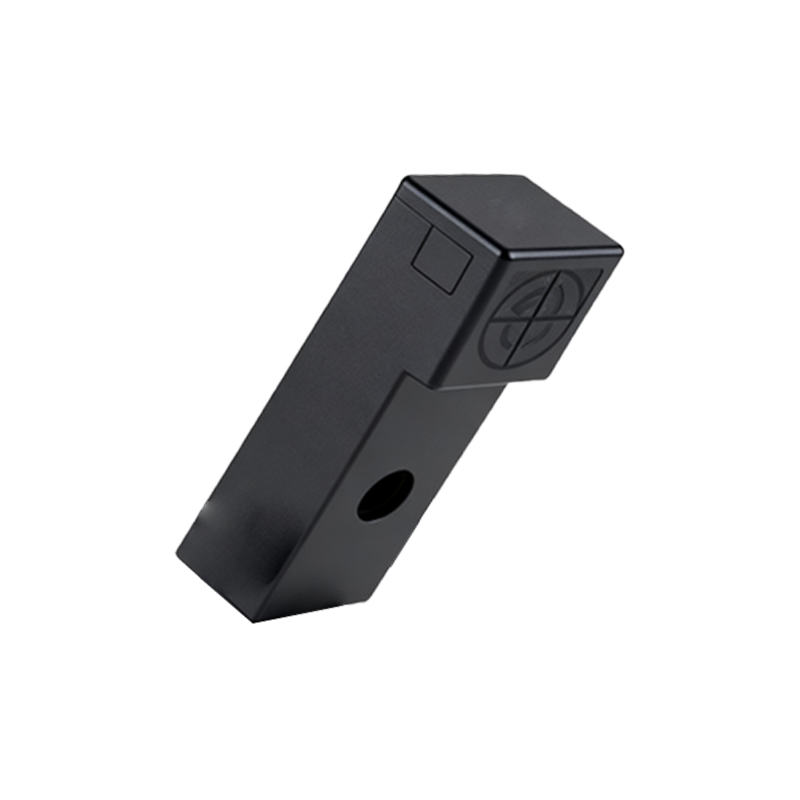
Beyond optical methods, inductive and capacitive proximity sensors employ different physical principles with their own operational modes. Inductive sensors generate an electromagnetic field and detect changes caused by metallic objects entering the field. They operate in a single, self-contained mode, excelling in harsh industrial environments with dust, dirt, or oil, but are limited to detecting metals. Capacitive sensors, conversely, create an electrostatic field and can detect nearly any material—metals, plastics, liquids, or wood—by measuring changes in capacitance. They often feature adjustable sensitivity modes, allowing them to ignore certain materials or detect through non-metallic container walls, which is invaluable in liquid level sensing or material handling.
Ultrasonic sensors represent another major category, operating in echo-based modes. They emit high-frequency sound pulses and measure the time for the echo to return. In a direct reflection mode, they calculate distance to a target. In a through-beam mode, two units can be used where one transmits and the other receives, detecting beam interruption. Ultrasonic modes are excellent for detecting objects regardless of color or transparency and are used in parking assist systems, tank level monitoring, and robotics.
The choice of sensor mode directly impacts system performance. Diffused mode suits simple presence detection on a budget. Retro-reflective balances range and reliability for general automation. Through-beam is the gold standard for precision and long range. Inductive mode is the workhorse for metal detection in tough conditions, while capacitive mode offers versatility for diverse materials. Ultrasonic mode provides reliable detection for complex surfaces and distance measurement.
In practice, these modes enable countless applications. In smartphones, a diffused or capacitive proximity sensor deactivates the touchscreen during a call. Retro-reflective sensors count products on assembly lines. Through-beam sensors ensure worker safety around robotic arms. Inductive sensors monitor gear tooth speed in automotive systems. Capacitive sensors control touch interfaces and detect fluid levels. Ultrasonic sensors enable autonomous vehicle navigation and object avoidance in drones.
As technology advances, sensor modes are becoming more intelligent. Many modern sensors integrate microprocessors that offer programmable modes, such as window mode (triggering only within a specific distance range), teach-in mode (for easy calibration), and logic modes (like AND/OR functions for multiple sensors). These smart features enhance flexibility, reduce installation time, and improve system integration.
Selecting the correct proximity sensor mode requires careful analysis of the target material, required sensing distance, environmental conditions (like dust, moisture, or ambient light), speed of detection, and installation constraints. A well-chosen sensor mode ensures reliability, longevity, and cost-effectiveness, forming an invisible yet vital link in automated and interactive systems across industries from consumer electronics to heavy manufacturing.