Introduction to Proximity Sensing Technology
Proximity switch sensors represent a fundamental component in modern industrial automation, providing non-contact detection of metallic objects. Among the various models available, the SN-04 stands out as a widely used and reliable inductive proximity sensor. This device operates on the principle of electromagnetic induction, generating an oscillating electromagnetic field from its sensing face. When a metallic target enters this field, eddy currents are induced within the target, causing a change in the oscillation amplitude. The sensor's internal circuit detects this change and triggers a solid-state switching output. This mechanism allows for precise, wear-free detection, making it ideal for harsh environments where mechanical contact is undesirable or impractical.
Key Specifications and Features of the SN-04
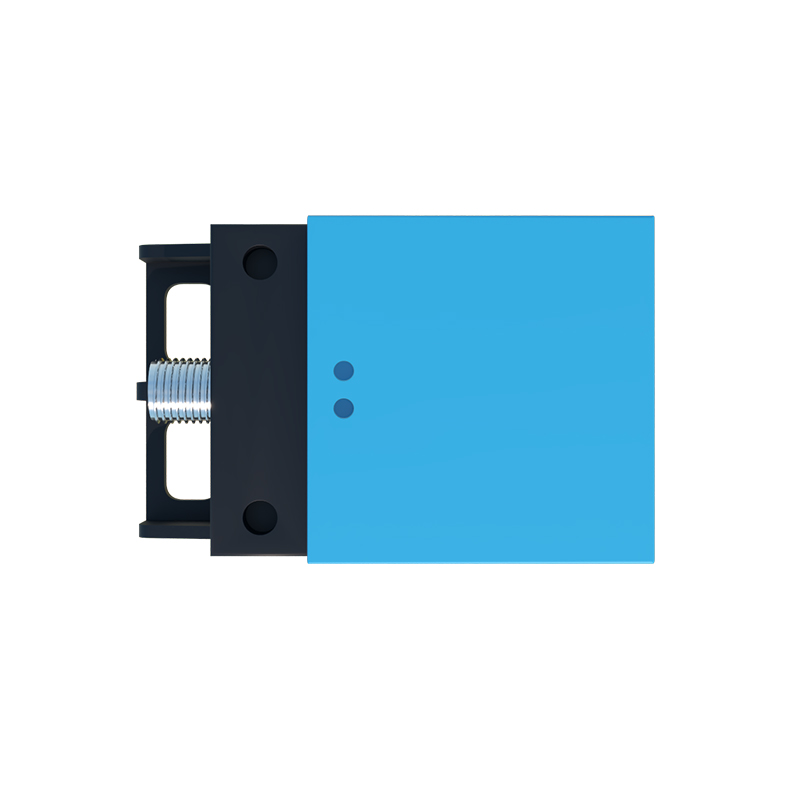
The SN-04 proximity sensor is typically characterized by its compact cylindrical design, often in an M12 or M18 threaded housing for easy installation. A standard model offers a sensing range of approximately 4mm, which is optimal for precise positioning tasks. It commonly operates on a DC voltage supply, ranging from 6V to 36V DC, ensuring compatibility with most industrial control systems. The output is typically in the form of an NPN (sinking) or PNP (sourcing) transistor, providing a clear digital signal to Programmable Logic Controllers (PLCs) or other control units. Key features include a high switching frequency, allowing for rapid detection in high-speed applications, LED status indication for operational diagnostics, and short-circuit and reverse polarity protection for enhanced durability and safety.
Wiring and Electrical Configuration
Correct wiring is crucial for the reliable operation of the SN-04 sensor. A standard three-wire configuration is most common. The wires are usually color-coded: brown for the positive supply voltage (V+), blue for the negative or common (0V), and black for the output signal. For an NPN version, the black wire sinks current to the load connected to the positive rail. For a PNP version, the black wire sources current from the positive supply to the load connected to the common rail. It is essential to connect a load, such as the input of a PLC or a relay coil, in series with the output wire. Always refer to the manufacturer's datasheet for the specific model's wiring diagram and ensure the power supply is within the specified range to prevent damage.
Application Scenarios in Industrial Automation
The robustness and reliability of the SN-04 make it suitable for a vast array of industrial applications. It is frequently employed for object detection on conveyor lines, verifying the presence or absence of parts. In machine tools, it serves as a limit switch to determine the position of a moving component like a slide or a spindle. It is also used for counting metallic objects, monitoring rotational speed by detecting gear teeth or bolts, and in automated assembly systems for part positioning. Its non-contact nature makes it perfect for environments with high levels of dust, oil, or vibration, where traditional mechanical switches would fail prematurely.
Installation Considerations and Best Practices
Proper installation significantly impacts sensor performance and longevity. When mounting the SN-04, ensure there is adequate clearance around the sensing face. Metallic objects in close proximity (the "mounting flush" condition) can reduce the effective sensing range. For side-by-side installation of multiple sensors, maintain a minimum distance between them to prevent mutual interference. The sensor should be positioned so that the target approaches the sensing face directly, not from the side. Consider environmental factors such as temperature extremes, chemical exposure, and potential physical impacts; selecting a model with an appropriate IP (Ingress Protection) rating, such as IP67, is vital for demanding conditions. Regular maintenance involves cleaning the sensing face of any accumulated debris.
Troubleshooting Common Operational Issues
Even a reliable sensor like the SN-04 can encounter issues. A frequent problem is the failure to detect a target. This can be caused by an incorrect sensing distance, using a non-ferrous metal target (like aluminum) which has a shorter detection range, or a misaligned target path. If the sensor's indicator LED does not illuminate, check the power supply connections and voltage. If the LED is on but the output does not switch, verify the wiring to the load and ensure the load impedance is within specifications. Electrical noise from nearby motors or frequency drives can also cause erratic behavior; using shielded cables and proper grounding techniques is recommended to mitigate this.
Advantages Over Mechanical Limit Switches
The SN-04 proximity sensor offers several distinct advantages compared to traditional mechanical limit switches. Firstly, the absence of physical contact eliminates mechanical wear, leading to a dramatically longer operational lifespan. It provides a much faster