Introduction to Semiconductor Proximity Sensors
Semiconductor proximity sensors represent a critical advancement in non-contact detection technology, leveraging the unique electrical properties of semiconductor materials to detect the presence or absence of objects within a specified range. Unlike mechanical switches or traditional inductive sensors, these devices utilize solid-state components, primarily based on technologies such as Hall effect, magnetoresistive, or capacitive sensing principles. The core mechanism involves the interaction between the sensor's semiconductor element and an external stimulus—often a magnetic field or a change in capacitance due to a nearby object. This interaction alters the electrical characteristics of the semiconductor, such as its voltage, current, or resistance, which is then processed by integrated circuitry to generate a precise output signal. The absence of moving parts in their design contributes to exceptional reliability, longevity, and resistance to environmental factors like dust, moisture, and vibration. As foundational components in automation, robotics, and automotive systems, semiconductor proximity sensors offer a blend of sensitivity, speed, and miniaturization that mechanical alternatives cannot match, making them indispensable for modern precision engineering applications.
Core Operating Principles and Technologies
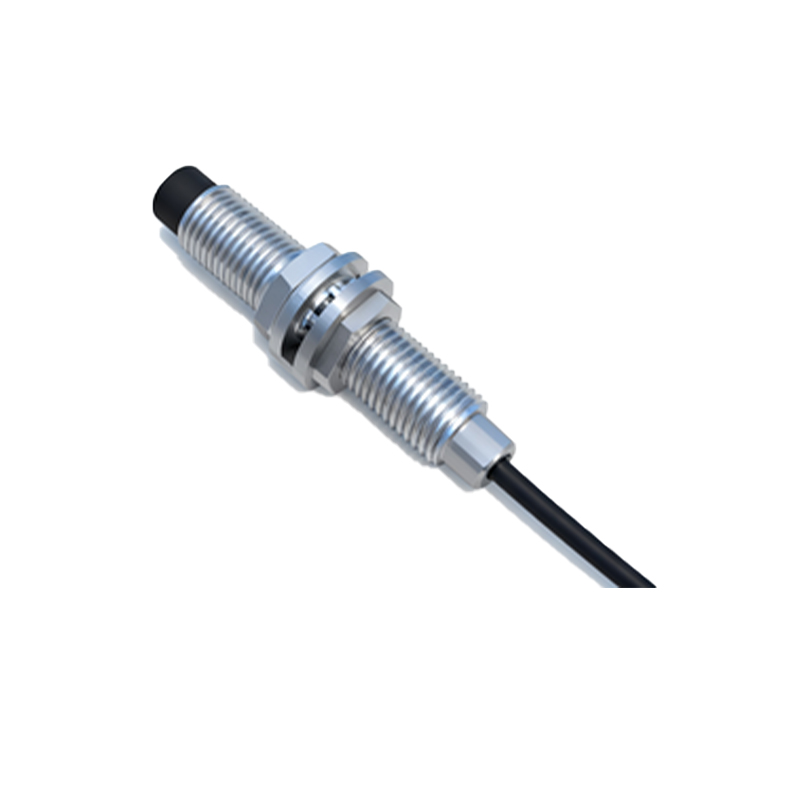
The functionality of semiconductor proximity sensors is rooted in distinct physical phenomena, each suited to specific detection scenarios. Hall effect sensors, for instance, generate a voltage differential when a conductor or semiconductor carrying current is exposed to a perpendicular magnetic field; this voltage change is proportional to the magnetic field strength, allowing for the detection of magnetic objects or the position of magnets. Magnetoresistive sensors, on the other hand, alter their electrical resistance in response to magnetic fields, providing high sensitivity and stability for applications requiring precise angular or linear position sensing. Capacitive semiconductor sensors detect objects by measuring changes in capacitance between the sensor electrode and the target; when a conductive or non-conductive object enters the electric field, it modifies the dielectric constant, triggering a detectable shift. These technologies are typically integrated with signal conditioning circuits, such as amplifiers, comparators, and analog-to-digital converters, directly on a semiconductor chip. This integration enables features like programmable sensitivity, temperature compensation, and digital output interfaces (e.g., I2C, SPI), enhancing adaptability in complex systems. The choice of technology depends on factors like target material, required sensing distance, environmental conditions, and response time, with semiconductor-based designs allowing for tailored solutions across industries.
Key Performance Characteristics and Advantages
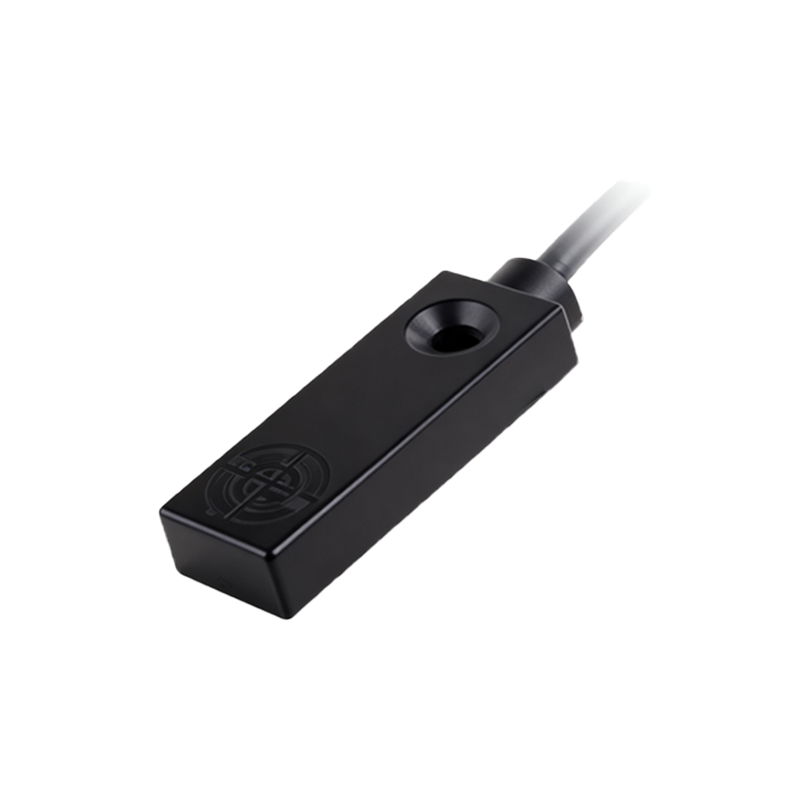
Semiconductor proximity sensors exhibit a set of performance metrics that underscore their superiority in demanding applications. Their response time is exceptionally fast, often in the microsecond range, enabling high-speed detection in automated assembly lines or robotic pick-and-place systems. The sensing range varies by technology, with Hall effect sensors typically effective from a few millimeters to several centimeters, while capacitive variants can detect non-metallic objects at similar distances with adjustable sensitivity. These sensors boast high repeatability and accuracy, with minimal hysteresis, ensuring consistent operation over millions of cycles. Durability is a hallmark, as the solid-state construction eliminates wear from physical contact, granting them an almost infinite operational lifespan under rated conditions. Additionally, they are inherently resistant to contaminants like oil, dirt, and moisture, especially when housed in sealed packages, making them ideal for harsh industrial environments. Energy efficiency is another advantage, with low power consumption facilitated by semiconductor design, which is crucial for battery-powered or energy-conscious applications. From a design perspective, their compact size allows for integration into space-constrained devices, such as mobile electronics or miniature medical instruments, without sacrificing performance.
Common Applications Across Industries
The versatility of semiconductor proximity sensors drives their widespread adoption across diverse sectors. In automotive engineering, they are deployed for gear position sensing, brake pedal detection, and seatbelt buckle monitoring, contributing to safety and operational efficiency. Industrial automation relies on them for object counting, limit switching in conveyor systems, and precise positioning in CNC machinery, where their non-contact nature prevents product damage. Consumer electronics incorporate these sensors for touchless interfaces, lid closure detection in laptops, and proximity sensing in smartphones to disable touchscreens during calls. The robotics field utilizes them for obstacle avoidance, gripper positioning, and collaborative robot safety features, enabling smooth human-machine interaction. In aerospace and defense, they assist in landing gear status monitoring and actuator feedback, where reliability is paramount. Medical devices, such as infusion pumps and diagnostic equipment, employ them for fluid level detection and component alignment, ensuring accurate and sterile operation. Each application benefits from the sensors' ability to provide reliable, maintenance-free sensing in compact form factors, often under challenging operational conditions.
Selection Criteria and Implementation Considerations
Choosing the appropriate semiconductor proximity sensor requires a thorough analysis of application parameters. Key factors include the target material—whether it is ferromagnetic, non-ferrous metal, or non-metallic—as this determines whether